As the world becomes increasingly interconnected, many individuals are drawn to the idea of relocating to a new country—a quest for adventure, improved quality of life, or simply a desire for change. For expats considering a move, Uruguay and Panama emerge as two attractive destinations in Latin America. With distinct lifestyles, cost structures, and cultural experiences, these countries offer unique opportunities and challenges to newcomers. Did you know that the cost of living in Uruguay is 5.5% higher than in Panama (excluding rent), yet rent prices in Uruguay are 44.5% lower? Such nuances could significantly influence your decision. In this blog post, we will delve deep into the various aspects of living in these two countries, providing a comprehensive comparison to help you make your informed choice.
1. Cost of Living: A Closer Examination
When relocating, understanding the financial landscape of your prospective home is crucial. In Numbeo’s analysis, it becomes evident that the cost of living in Uruguay is approximately 5.5% higher than in Panama when excluding rent. This statistic is essential for budget-conscious expats making long-term plans. Interestingly, if we factor in rent, the difference shifts dramatically, with the cost of living in Uruguay being about 9% lower than in Panama.
A significant component of this comparison is rental prices. In Uruguay, expats can expect to pay 44.5% less in rent compared to their counterparts in Panama. This considerable difference can make living in urban centers more accessible for families or individuals seeking spacious accommodations. However, when it comes to dining out, restaurant prices in Uruguay are roughly 18.1% higher than in Panama, which may prompt a reevaluation of your budget if you enjoy frequent meals at cafes and restaurants. Additionally, grocery costs in Uruguay are 6.2% lower, which could balance out dining expenses, allowing you to enjoy fresh local produce without breaking the bank.
2. Cultural Mosaic: Embracing Differences and Similarities
Cultural nuances play a significant role when considering relocation, shaping daily interactions and lifestyle choices. Uruguayans are known for their warm and friendly demeanor, exhibiting a laid-back attitude towards life. This contrasts with the more fast-paced lifestyle often associated with Panama. Family values hold strong importance in both cultures, but Uruguay emphasizes a more community-oriented approach, where gatherings and social events are frequent and cherished.
Traditions vary widely between the two nations. For instance, Uruguay is famous for its asado, a traditional barbecue, which is not just a meal but an event that fosters camaraderie and connection among friends and family. Meanwhile, Panama showcases a rich tapestry of cultural influences, reflected in its vibrant music scene and colorful festivals. Both countries treasure their heritage, yet offer distinct ways to celebrate life, enabling expats to engage and immerse themselves fully in their new environment.
3. Comparative Analysis of Crime Levels and Homicide Rates: Panama vs. Uruguay
When examining the crime levels between Panama and Uruguay, significant disparities emerge, particularly in terms of overall scores and murder rates. Panama has a crime score of 45, placing it 49th globally, while Uruguay boasts a notably higher score of 54.76, ranking 34th—indicating a 22% lower crime level in Uruguay. This difference reflects not only the quantity of crime but also the perceived safety of these nations.
The murder rates further underscore these contrasts. Panama’s murder rate stands at 13 per 100,000 inhabitants, which is substantially higher than Uruguay’s rate of 5.8. Additionally, the intentional homicide rate reveals an even starker discrepancy, with Panama recording 20 per 100,000 (ranked 16th) compared to Uruguay’s 5.9 (ranked 25th)—a figure approximately three times lower than that of Panama. In terms of total murders, Panama has a staggering 759 murders, ranking 26th, while Uruguay’s murder count is just 199, placing it 7th. These statistics paint a clear picture of the heightened risk associated with violent crime in Panama compared to Uruguay, highlighting the latter’s relatively safer environment for its citizens.
4. Language: Bridging Communication Gaps
Language is a vital element in adapting to a new country. In Uruguay, the official language is Spanish, whereas Panama predominantly speaks Spanish, with some regions using English due to its historical ties with the United States. For expats moving to Uruguay, learning Spanish can enhance daily interactions and integration within the community. Fortunately, numerous language schools and classes are available, catering to various proficiency levels.
In Panama, language barriers may exist, primarily for those residing in areas with a larger expat population where English is more prevalent. This dual language environment can offer newcomers an easier transition. However, for full integration and deeper connections, learning Spanish remains advantageous. The availability of translation services in both countries can assist expats during the initial phase, allowing them to navigate essential bureaucratic processes and settle comfortably.
5. Healthcare Systems: Accessing Quality Care
Healthcare is a paramount consideration for anyone contemplating a move abroad. Uruguay’s healthcare system offers both public and private options, with a reputation for high standards of care. The public health service is accessible to all residents, including expats, ensuring comprehensive care. Private healthcare is also available, presenting shorter wait times and enhanced service but at a higher cost.
In Panama, the healthcare landscape is similar, with affordable public healthcare accessible to everyone. However, many expats opt for private health insurance, which provides quicker access to treatments and better facilities. The country’s healthcare infrastructure is continuously improving, attracting international medical personnel and expanding services. However, costs can vary significantly, and understanding your insurance requirements is crucial for maintaining peace of mind in both countries.
6. Climate and Environment: Choosing Your Ideal Setting
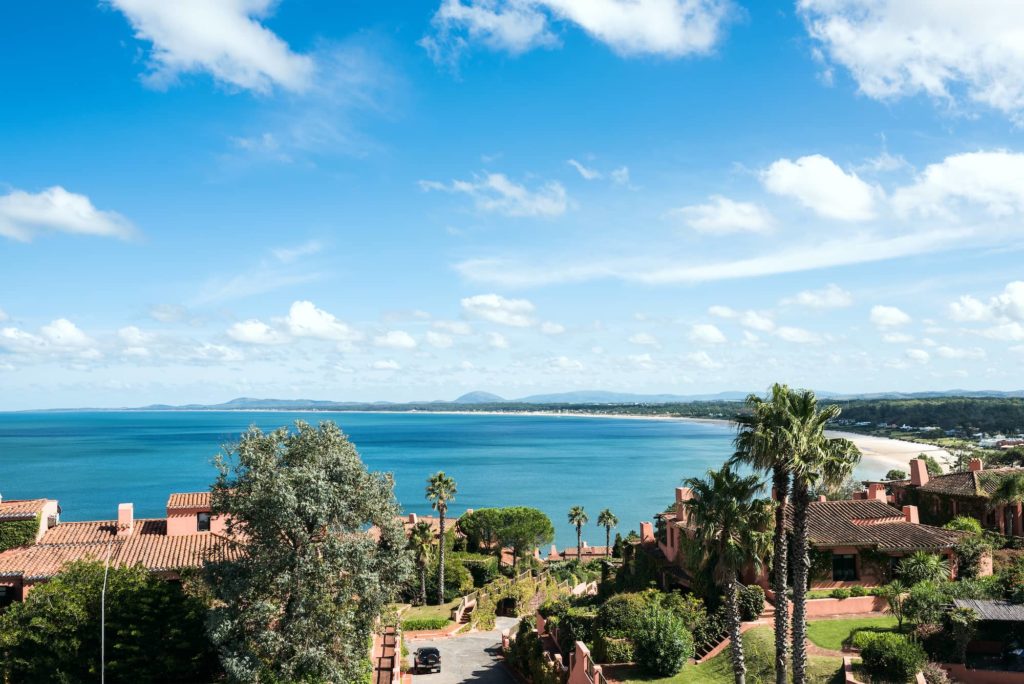
Climate significantly influences lifestyle and leisure activities. Uruguay experiences a temperate climate, characterized by mild winters and warm summers, making it conducive to outdoor activities year-round. Coastal towns like Punta del Este offer beautiful beaches, while the countryside invites nature enthusiasts to explore rolling hills and vineyards.
In contrast, Panama boasts a tropical climate, with a marked wet and dry season. Expats often enjoy the year-round warmth, but humidity can be a factor, particularly during the rainy season. The country’s lush rainforests, beautiful coastlines, and vibrant wildlife present a paradise for those who appreciate nature. Whether you prefer the temperate climate of Uruguay or the tropical allure of Panama, both options provide unique environments conducive to an active and fulfilling lifestyle.
7. Education Systems: Nurturing Young Minds
For expat families, educational options are a significant consideration. In Uruguay, the education system is robust, offering both public and private schooling. Public institutions are free and of decent quality, but many expats opt for private or international schools to ensure a curriculum that meets their home country’s standards. International schools are plentiful, offering curriculums in English, which can ease the transition for non-Spanish-speaking children.
Similarly, Panama’s education system includes public and private schools, with a growing number of international institutions catering to diverse communities. There are numerous high-quality bilingual schools that promote both Spanish and English, preparing children for a globalized world. The choice of school will depend on your child’s needs, but rest assured that both countries provide ample opportunities for academic growth and social integration through extracurricular activities.
8. Community and Social Integration: Finding Your Tribe
Social integration can significantly impact your overall happiness in a new country. In both Uruguay and Panama, vibrant expat communities exist, offering newcomers a support network and opportunities to forge friendships. Uruguay’s capital, Montevideo, and cities like Punta del Este are home to numerous expat groups that organize social events and cultural activities, making it easier to connect with like-minded individuals.
In Panama, particularly in Panama City, expats can engage in various cultural associations and language exchange groups. These platforms enable newcomers to immerse themselves in local culture while meeting fellow expats. Both countries emphasize hospitality and openness, fostering environments where individuals can readily establish their place within the community.
9. Lifestyle Opportunities: Leisure and Activities
Finally, when considering a move, lifestyle opportunities in both Uruguay and Panama warrant exploration. Uruguayans enjoy a relaxed pace of life, with a strong emphasis on outdoor activities, including beach outings, hiking, and socializing over asado. The cultural scene thrives with art galleries, music festivals, and local markets, inviting expats to absorb the vibrant atmosphere.
Meanwhile, Panama offers a dynamic lifestyle, merging urban excitement with natural wonders. The city hosts a thriving arts scene, vibrant nightlife, and abundant dining options, alongside proximity to stunning beaches and rainforest adventures. Both countries present myriad leisure activities, ensuring expats can maintain an active and fulfilling lifestyle.
Conclusion: Making Your Choice
Ultimately, the decision to relocate to either Uruguay or Panama boils down to personal preferences, lifestyle aspirations, and financial considerations. Both countries offer unique advantages and challenges, enriching experiences and vibrant communities welcoming newcomers.
If you’re ready to take the plunge into this exciting chapter of your life, contact Team Haverkate, your trusted agents in Real Estate in Uruguay, to explore available options and embark on your new adventure with confidence.