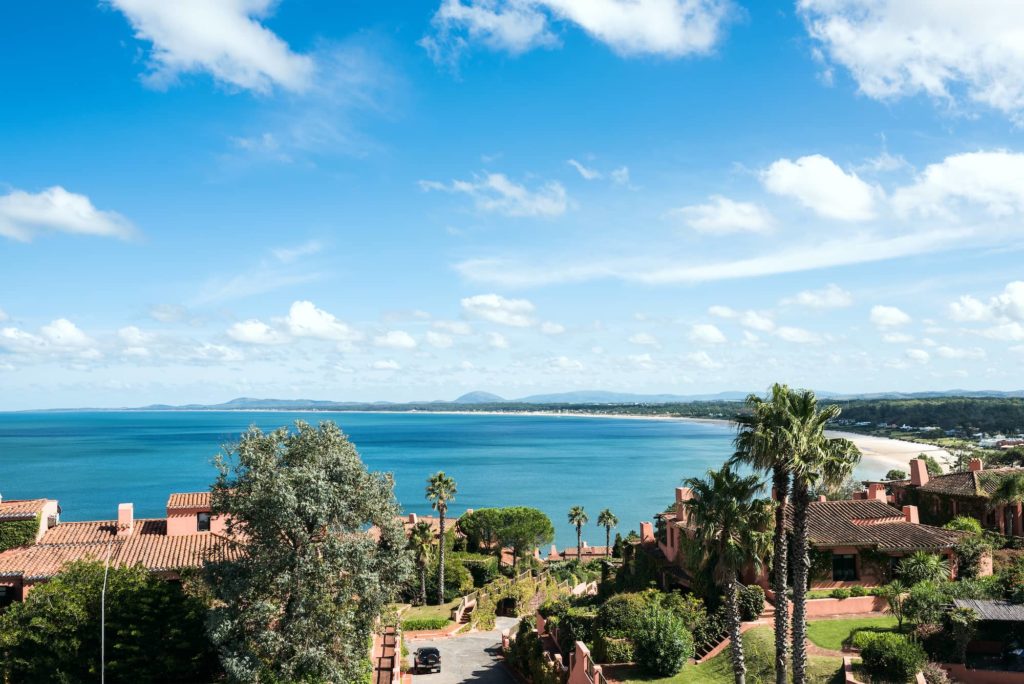
Considering retirement abroad? Uruguay presents a perfect blend of natural charm, political calm, and cultural warmth. Punta del Este, dubbed ‘the Saint-Tropez of South America,’ remains a top retirement choice for its luxurious allure. Whether you’re drawn to oceanfront views, cost-effective living, or top-notch healthcare, Uruguay caters to all. This article highlights seven crucial aspects for a successful retirement decision.
Explore the captivating advantages of retiring in Uruguay as we unpack key factors like living expenses, healthcare access, and cultural adaptation. From real estate options in urban centers to healthcare quality, we provide a thorough guide to help you plan a fulfilling retirement in this South American gem. Each section is designed to equip you with the information necessary to envision life in Uruguay.
Understanding the Cost of Living in Uruguay
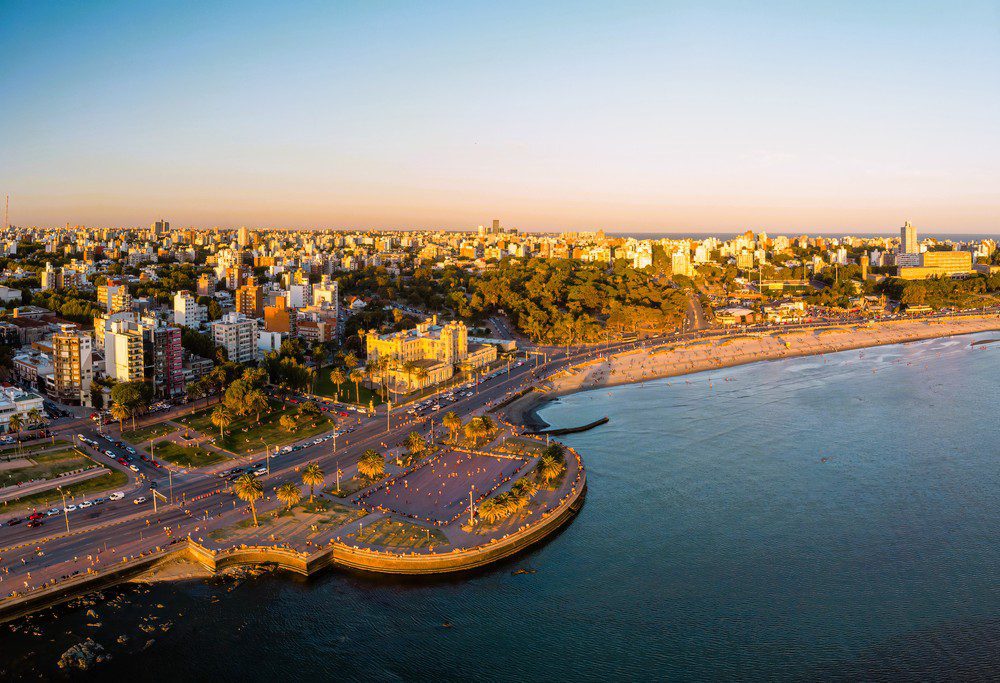
Uruguay provides varied housing choices tailored to different budgets. Urban enthusiasts can find modern apartments in lively areas like Montevideo. For a quieter life, the countryside offers homes wrapped in nature’s embrace. Rentals run from $500 to $2,000 monthly for furnished spaces. The booming luxury real estate market is noteworthy.
Daily expenses are crucial for budgeting. Monthly groceries may cost $300 to $600 for couples, based on diet. Public transport often costs about $1 per ride, with cars and fuel being relatively inexpensive. Utilities, including internet, range from $100 to $200 monthly depending on consumption.
Choosing between urban and rural settings greatly influences your lifestyle in Uruguay. City life offers social buzz and events, while rural zones promise tranquility and outdoor pastimes like hiking. Your decision should align with personal life goals for a rewarding relocation.
Navigating Healthcare for Retirees
Uruguay’s healthcare combines public access and private options. Residents enjoy free public services. Private care offers extras like shorter waits and is favored by many.
Healthcare insurance for expats is viable, costing around $50 to $200 monthly, adjusted by coverage. Such plans often include access to specialists and hospital stays.
In hubs like Montevideo, retirees have ample facilities, including hospitals and clinics. Montevideo houses renowned centers for varied medical needs. Use local directories to find recommended healthcare providers nearby.
Visa and Residency Requirements
A retirement visa is essential for Uruguay. The process involves key documents like a passport, police records, health insurance proof, and stable income evidence.
A monthly income of $1,500 or savings to support yourself is needed for the visa. All documentation should clearly show consistent income streams, like pensions.
As a permanent resident, enjoy benefits like access to social services, job rights, and eventual voting privileges.
Exploring Housing Options for Retirees
From seaside condos to city apartments and countryside retreats, Uruguay offers diverse housing for retirees. Coastal areas offer stunning ocean sights, urban spots provide cultural vibrancy, and many come furnished for an easier move.
Property costs vary by location. Beachfront homes in Punta del Este exceed $500,000, while cheaper options in inland areas start below $200’000
It’s wise to join forces with local experts to navigate real estate. Skilled agencies can help find suitable properties, ensuring your home transition is smooth and well-informed.
Lifestyle and Cultural Adjustments
Uruguayans are notably welcoming, easing newcomers into their warm culture. Social events, market visits, and local festivals are excellent for making community connections.
Though many urban Uruguayans speak English, learning Spanish deeply enhances integration and daily interactions. Language schools and online courses can expedite learning.
Expat groups and retiree clubs offer a platform to engage, making your Uruguay transition smoother. From social events to support networks, they’re crucial for building a sense of community.
Sorting Taxes and Financial Considerations
Uruguay’s tax policies are appealing for retirees, exempting foreign income from local taxes initially. This period aids in financial planning.
Savings, pensions, and foreign earnings often remain untaxed, benefiting retirees seeking financial stability.
Optimal financial planning is essential. Understand local investment opportunities and tax implications to adapt to Uruguay’s cost of living, maximizing your financial resources.
Why Uruguay Stands Out as a Retirement Choice
Uruguay is among South America’s safest and most stable nations, offering retirees peace and quality of life.
With beaches in Punta del Este and lush vineyards, Uruguay’s natural beauty is compelling. Activities like wine tours and beach visits enrich retirement life.
Popular retirement locales include Punta del Este, Montevideo, and Colonia del Sacramento. Each offers unique charms, from beaches to historical splendor.
Conclusion
Retiring in Uruguay balances adventure and relaxation. The country’s welcoming communities and reliable services make it an ideal retirement spot. With thorough planning, your dreams of enjoying life in Uruguay can soon be a reality.
As a foreign buyer in Uruguay, it’s essential to collaborate with a reputable agency that avoids ‘Dual Agency,’ where a single agent represents both sides of a transaction. Team Haverkate is committed to representing only their clients, the buyers, ensuring that they do not also represent the seller.
For personalized guidance in making your move, contact Team Haverkate today. Our experienced team is here to help you navigate your retirement journey in Uruguay!