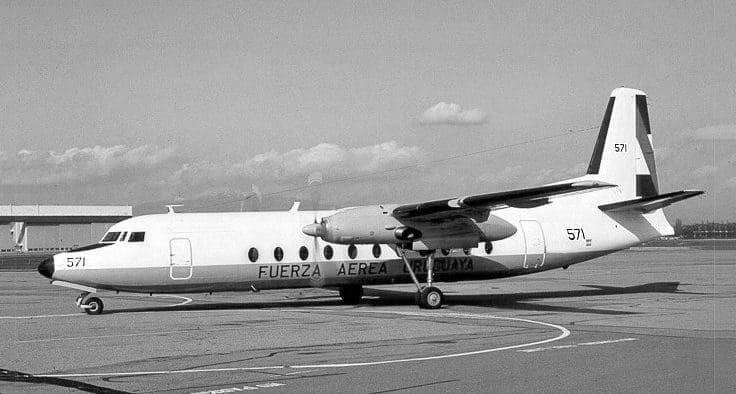
On October 13, 1972, a Fairchild 227 airplane, carrying a Uruguayan rugby team, crashed in the unforgiving terrain of the Andes. This incident rapidly became synonymous with one of the most remarkable tales of human endurance and survival. Montevideo’s museum serves as a solemn tribute to the individuals who endured this harrowing ordeal and those who aided their eventual rescue.
A Grim Beginning
The ill-fated flight’s journey began under normal circumstances but drastically altered when it collided with the harsh reality of the Andes. Initially, 32 passengers survived the crash, finding themselves over 4,000 meters above sea level. With inadequate clothing and insufficient food, they were ill-prepared for the harsh environment that awaited them, facing near-certain doom due to the extreme cold.
The Struggle for Survival
Resources quickly depleted, leaving the survivors in dire straits. Their initial hope of rescue dwindled as they learned via a small radio that the search efforts had been abandoned. Trapped and isolated, they faced bitterly cold temperatures reaching below -30°C. The survivors had to reconcile with the despairing decision of consuming the bodies of deceased companions to stave off starvation.
Ingenuity and Resilience
Against all odds, the survivors crafted inventions to overcome their predicament. Ingeniously, they devised ways to melt snow for water, using available materials for makeshift solutions. They repurposed seat fabric into quilts and handcrafted snow goggles from unlikely materials to combat the intense sunlight reflecting off the snow. Such resourcefulness was vital in their prolonged wait for rescue.
A Calamitous Avalanche
An avalanche struck on the 17th day of their ordeal, tragically claiming eight more lives. This calamity buried the survivors in the fuselage’s remnants. Despite this harrowing challenge, those who survived continued to persevere. With minimal tools and knowledge, they devised plans to escape, demonstrating incredible tenacity in the face of relentless adversity.
The Final Expedition and Rescue
Two of the survivors embarked on a daring expedition across the treacherous terrain, hopeful of finding help. With no climbing gear and inadequate clothing, they journeyed for ten days before encountering a cattle drover. The drover, in a display of humanity, traveled for hours to alert authorities, signaling the end of the survivors’ gruelling 72-day ordeal.
Erecting a Monument
In January 1973, access to the crash site improved, allowing for a somber commemoration for those who perished. An iron cross, bearing inscriptions of communal gratitude, was erected 800 meters from the impact site. This enduring monument honors the indomitable spirit of those who faced unimaginable challenges.
The Museo Andes 1972
Located in Montevideo’s Ciudad Vieja, the museum presents an immersive account of the crash and its aftermath. Jörg Thomsen, who spearheaded the museum’s establishment, ensures the narrative captures the resilience of his compatriots. The exhibits, rich with original artifacts, provide visitors with an emotional and educational journey through one of the most astounding survival tales.
Paying Tribute to Heroes
The museum not only honors the survivors but also recognizes the anonymous acts of courage, such as that of the Chilean drover. Through its exhibits, it seeks to instill the core values of solidarity and friendship embodied by the survivors. The museum serves as a poignant reminder of human strength in the face of overwhelming odds.
A Lesson for Future Generations
As a key cultural site in Uruguay, the museum offers valuable insights into the nation’s history and values. It stands as an enduring testament to the power of human courage, ensuring that future generations understand the importance of teamwork, resilience, and compassion even amidst the most challenging circumstances.
The Museo Andes 1972 is more than a repository of artifacts; it is a tribute to human courage and willpower.
This place of remembrance ensures that the story of survival against all odds continues to inspire future generations.
We’d love to hear from you! Contact Team Haverkate for any inquiries or support.