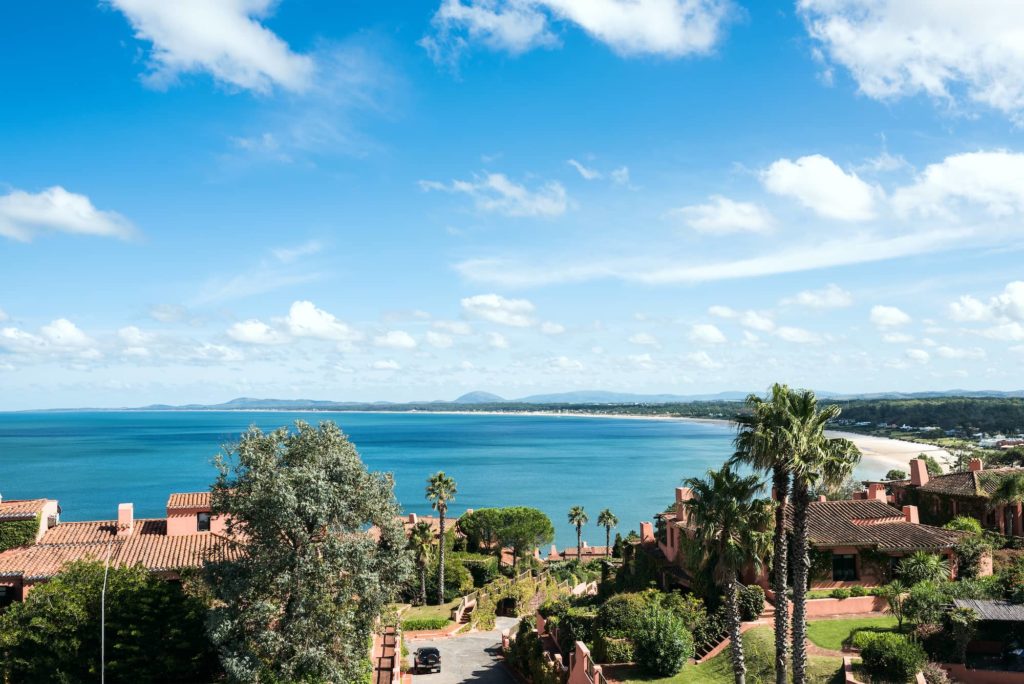
Buying property in Uruguay is an accessible process for foreigners, thanks to government policies that encourage foreign investment by offering state protection. International investors enjoy the same rights as Uruguayan citizens and can engage in any type of activity without restrictions. To purchase a property, you only need a valid passport. It is not strictly necessary to be present in Uruguay; with a power of attorney, a trusted person can manage the purchase on your behalf.
Before the sale contract, a reservation is usually made, committing both parties to a penalty of between 10% and 20% in case of non-compliance. The buyer deposits this penalty in an escrow account held by the notary as a guarantee, and the seller provides all necessary documentation, including the title of ownership, to prevent future sales to third parties. After the reservation, a notarial review of the records and the tenure regime takes place, which can last between six and nine weeks. The time frame depends on the timeline agreed upon in the reservation.
When the sale contract is signed, the price is paid directly, which differs from common international practices. At that moment, possession is also transferred by handing over the keys. In some cases, a promise to purchase can be agreed upon between the reservation and the final contract, allowing for the occupancy of the property with a partial payment to the seller if certain requirements have not yet been met.
Frequently Asked Questions about Buying Property in Uruguay
Can I, as a foreigner, buy property in Uruguay without having residency permission?
Absolutely! In Uruguay, anyone can buy land and property regardless of their citizenship, and foreign investors receive the same treatment as nationals, with legal protections that exceed international standards.
What additional costs arise when acquiring property?
– Broker’s commission: 3% + 22% VAT.
– Attorney/notary fees: 3% of the sale price + 22% VAT.
– Other expenses (certifications, registrations, wire transfers, etc.): $1,500 – $2,000.
– Power of attorney, if necessary: approximately $450.
– Property tax: 2% of the actual value of the property.
What are the monthly expenses for a homeowner in Uruguay?
– Water for two people: approximately $25.
– Electricity for two people: approximately $80.
– Internet/ADSL/ANTEL (telephone service): up to $50.
– Telephone: basic fee of approximately $10.
– Property contribution (includes garbage collection and road maintenance): depends on the location and value of the property.
Is there a Property Registry and a Cadastral Registry in Uruguay?
Yes, there are registries that regulate and protect property relationships, ensuring clear transcripts free of liens and secure property transfers.
Are building plans available for homes?
In most cases, the plans are stored with the property documents at a notary or bank. It is common to acquire properties as seen, and the plans are delivered with the sale contract.
How is the surface area of a home calculated?
There is no standard rule for this, so calculations can vary. Often, the entire built surface area is included, encompassing terraces and outdoor areas.
Are there financing options available for property?
It is not easy to obtain financing in Uruguay for foreigners because they have no credit history. There are banks who offer mortgages but the interest rates are high. In exceptional cases, it may be possible to reach an agreement with the seller for seller financing of 50% of the property.
Can I pay for a property in cash?
Any cash income over $10,000 must be declared. You can pay the 10% deposit in cash, but the remainder must be transferred. Banks require proof of the source of funds for transfers exceeding $10,000, making cash transactions uncommon and not recommended.
Click here to learn about real estate payments in Uruguay with Bitcoin.
Our Insights
Uruguay offers a favorable environment for foreign real estate investment, with robust legal protections and an environment of equal treatment for all investors. This makes the country an attractive option for those looking to diversify their property portfolios in Latin America.
The buying process, while straightforward, requires attention to detail, especially during the notarial review phase. The absence of restrictions on purchases by foreigners and the ability to manage acquisitions remotely with a power of attorney enhance convenience for international investors.
However, additional costs and the difficulty of obtaining local financing are important considerations. Investors should carefully plan for these aspects to ensure a successful investment. Moreover, maintenance costs are relatively low, contributing to the long-term economic viability of owning property in Uruguay.
Understanding Uruguay’s real estate market involves detailed groundwork. Equip yourself with knowledge on legal and financial aspects to avoid common mistakes. As a foreign buyer, you want to make sure in Uruguay, you work with a reputable agency that doesn’t practice “Dual Agency” which means one agent working both sides in a transaction. Team Haverkate makes sure that they only represent their client, the buyer, and not the seller as well. Reach out to Team Haverkate for more information and tailored assistance.