Nestled between two of Latin America’s tourism giants, laid-back Uruguay is a hidden gem that invites you to explore its vibrant offerings. Known for its dynamic coastline, extended carnival season, and UNESCO cultural heritage sites, Uruguay may not be the first destination that comes to mind, but it should be. With a population of 3.4 million and its serene capital, Montevideo, this country offers an array of experiences that make it a prime vacation spot in South America. Here, we delve into ten compelling reasons to visit Uruguay.
1. The Beaches
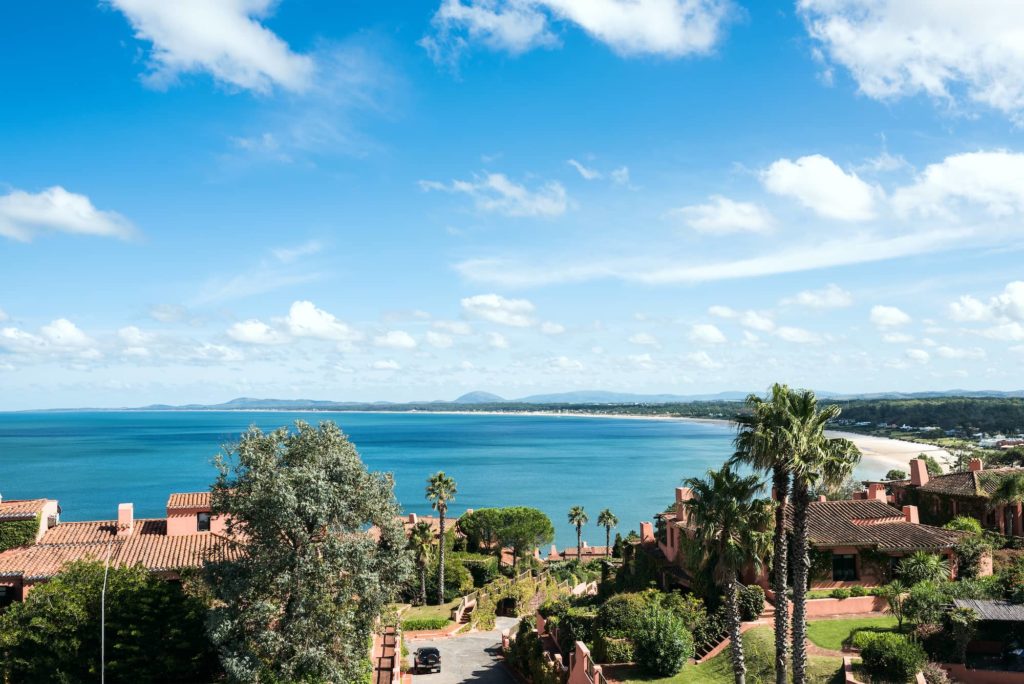
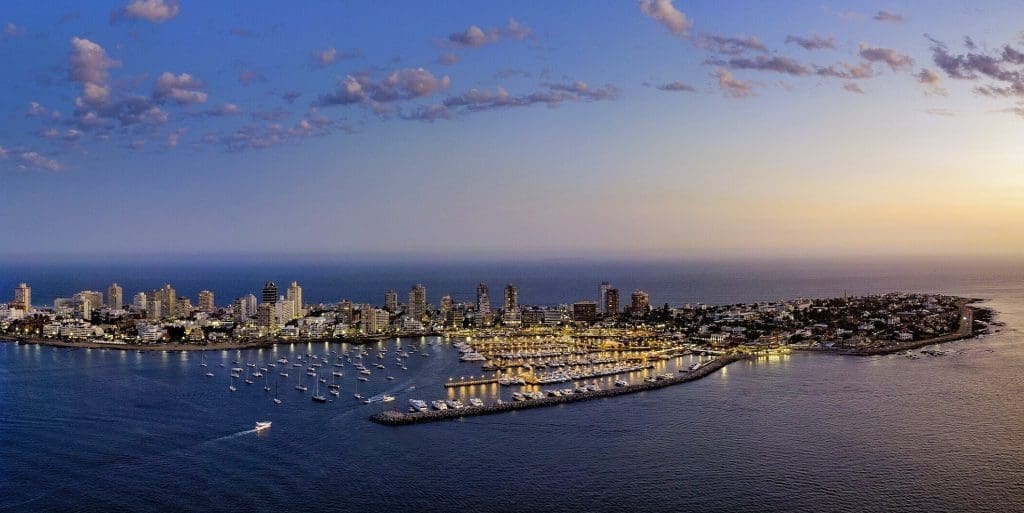
Uruguay’s Atlantic coast is not just a summer hotspot; it’s a testament to the country’s natural beauty and vibrant culture. Punta del Este, sometimes referred to as the Monaco of South America, is famous for its stunning beaches, upscale resorts, and nightlife. The picturesque beaches of Playa Brava and Playa Mansa cater to a diverse crowd, offering everything from thrilling water sports to serene spots perfect for relaxation. Nearby towns like La Barra are known for their bohemian atmosphere and colorful architecture, while José Ignacio presents a more laid-back vibe, appealing to artists and those seeking tranquility. The combination of the Atlantic Ocean and Rio de la Plata creates stunning landscapes, ideal for beachgoers, surfers, and sun worshippers alike.
2. Newly Designated Heritage Site
In addition to Colonia del Sacramento, which showcases colonial architecture and cobblestone streets, the Fray Bentos Industrial Landscape tells a unique story of industrial development in South America. This site, formerly home to the Anglo Meat Packing Company, symbolizes the fusion of European industrial practices with local resources and labor. The site now serves as a museum where visitors can learn about the meatpacking industry that once thrived there, including the social and economic impacts it had on the region. The rustic buildings and machinery evoke a sense of nostalgia and provide insight into the lives of the workers and the roles they played in shaping Uruguay’s economy.
3. Montevideo
Montevideo stands out not just for its relaxed atmosphere but also for its cultural richness. The city’s Ciudad Vieja (Old City) showcases historical buildings and vibrant street art, while the Mercado del Puerto (Port Market) is a culinary destination, famous for its parrillas (steakhouses). The rambla, a 15-mile promenade along the coastline, is perfect for walking, biking, or simply enjoying the views of the ocean and city skyline. Events and festivals frequently take place in Montevideo, which drives home the city’s lively spirit and commitment to the arts. As a melting pot of cultures, Montevideo offers diverse culinary experiences, a thriving music scene, and friendly locals eager to share their city with visitors.
4. Meat and Greet
Uruguay’s dedication to beef is deeply rooted in its culture, with traditions surrounding the asado (barbecue) integral to social gatherings. The quality of the beef is attributed to the country’s extensive grasslands, where cattle graze freely, resulting in exceptionally flavorful meat. The chivito, a popular national dish, is not just a meal but a culinary experience, often piled high with toppings like cheese, ham, and vegetables. Beyond traditional fare, Uruguay is making a name for itself in gourmet dining. Restaurants like Parador La Huella are celebrated for their fresh, local ingredients and sea views, while La Bourgogne offers a sophisticated dining experience that showcases the best of Uruguayan cuisine, making it a must-visit for foodies.
5. Carnaval
Uruguay’s Carnaval is a unique cultural celebration that lasts over 40 days, featuring a blend of music, dance, and vibrant costumes. Unlike the more commercialized Rio Carnaval, Uruguay’s festivities are rooted in community involvement and tradition. Candombe, with its African rhythms and drum beats, fills the streets, reflecting the country’s African heritage. Parades showcase local talent, with groups, or “comparsas,” competing for the best performances. The event fosters a spirit of unity and joy, throwing open the doors for locals and tourists alike to immerse themselves in the infectious rhythm of the festivities. The richness of the experience also allows for deeper engagement with the cultural narratives that shape Uruguay’s identity.
6. Wine Country
Uruguay’s wine regions, particularly around the town of Carmelo and the more famous Canelones, offer an array of delightful experiences for wine enthusiasts. The country is known for its Tannat, a robust red wine that has become a signature varietal. The picturesque vineyards, many of which welcome visitors for tastings and tours, provide opportunities to learn about the winemaking process and enjoy stunning landscapes. The Wine Route is an excellent pathway for travelers to explore family-owned wineries, sample exquisite wines, and pair them with local cuisine while enjoying the tranquil countryside views.
7. Colonia del Sacramento
Colonia del Sacramento is a UNESCO World Heritage site known for its beautifully preserved colonial architecture and rich history. Founded in 1680, it is one of the oldest towns in Uruguay and features charming cobblestone streets, colonial-era buildings, and numerous museums. Visitors can stroll through the historic district, visit landmarks like the lighthouse and the Portuguese Museum, and enjoy local cuisine at waterfront restaurants. The town’s picturesque settings provide ideal backdrops for photography, making it a favorite among artists and romantics alike. Colonia is also conveniently located just a short ferry ride from Buenos Aires, making it an accessible escape for those looking to explore Uruguay.
8. Carmelo
Carmelo embodies a peaceful, rural charm that draws visitors looking to relax and explore the countryside. This small town, situated at the confluence of the Río de la Plata and Río Uruguay, is famed for its wine production, particularly Tannat, and offers an array of vineyards and wineries to explore. The town also boasts beautiful riverside views, plenty of outdoor activities such as fishing and boating, and a laid-back atmosphere. Additionally, Carmelo’s luxury resorts, like the renowned Carmelo Resort & Spa, offer an escape into nature with a focus on wellness and rejuvenation, making it an ideal retreat for visitors seeking tranquility.
9. Outdoor Adventure
Uruguay’s diverse landscapes provide ample opportunities for outdoor activities. From hiking in the rolling hills of the interior to surfing the waves along the coast, adventure seekers can find something to satisfy their inclinations. National parks, like Santa Teresa and Quebrada de los Cuervos, offer stunning natural beauty, trails for hiking, and opportunities for birdwatching. The beautiful countryside is ideal for cycling tours, while the rivers and beaches facilitate water sports such as kayaking, fishing, and sailing. Additionally, the rugged beauty of the interior provides excellent camping opportunities for those looking to immerse themselves in the great outdoors.
10. Cultural Festivals and Art Scene
Beyond Carnaval, Uruguay boasts a thriving arts scene and numerous cultural festivals throughout the year. Montevideo hosts the Montevideo International Jazz Festival, offering music lovers a platform to appreciate both local and international talent. Visual arts also flourish, with the Museo Nacional de Artes Visuales showcasing a rich collection of Uruguayan art. Additionally, events like the Festival Internacional de Jazz de Punta del Este further highlight the country’s commitment to artistic expression. From film festivals to literature events, Uruguay provides a vibrant cultural calendar that invites visitors to experience its creative spirit firsthand. Artisanal markets, theaters, and music venues throughout the country reflect the richness of Uruguay’s artistic heritage, making it a destination that celebrates its culture at every turn.
The Bigger Picture
Uruguay’s unique blend of cultural heritage, natural beauty, and modern amenities make it a compelling choice for travelers and investors alike. Its reputation for stability, safety, and progressive policies enhances its appeal as a destination and a place to invest. For foreign investors, Uruguay offers a stable real estate market with potential for growth, supported by a strong legal framework that protects investors and property owners. The country’s relaxed lifestyle, excellent quality of life, and welcoming community ensure that newcomers quickly feel at home.
The expansion of infrastructure, such as the Garzón Lake Bridge, improves accessibility to previously remote areas, further opening up opportunities in the real estate sector. As the wine and culinary industries continue to flourish, they add value to the property market, especially in regions like Canelones and José Ignacio. These factors create an attractive environment for those looking to purchase vacation homes or invest in rental properties, with the potential for significant returns.
Uruguay’s commitment to sustainability and its progressive marijuana laws also position it as a forward-thinking nation. For investors interested in sustainable ventures, the real estate market offers opportunities in eco-friendly developments and sustainable tourism projects. Given these dynamics, Uruguay presents itself as a prime location for both lifestyle and investment purposes.
Understanding Uruguay’s real estate market involves detailed groundwork. Equip yourself with knowledge on legal and financial aspects to avoid common mistakes. As a foreign buyer, you want to ensure in Uruguay you work with a reputable agency that doesn’t practice “Dual Agency,” which means one agent working both sides in a transaction. Team Haverkate makes sure that they only represent their client, the buyer, and not the seller as well. Reach out to Team Haverkate for more information and tailored assistance.