Key Points
- Quiet luxury is about material depth and intention, not minimalist emptiness
- Natural stone, solid hardwoods, and limewash walls age beautifully in coastal climates
- Unlacquered brass and natural patinas create a living, evolving interior
- Diffused warm lighting (2700 K) and layered sources set a serene tone
- Imperfections and traces of time are celebrated as marks of authenticity
A Philosophy of Depth Over Display
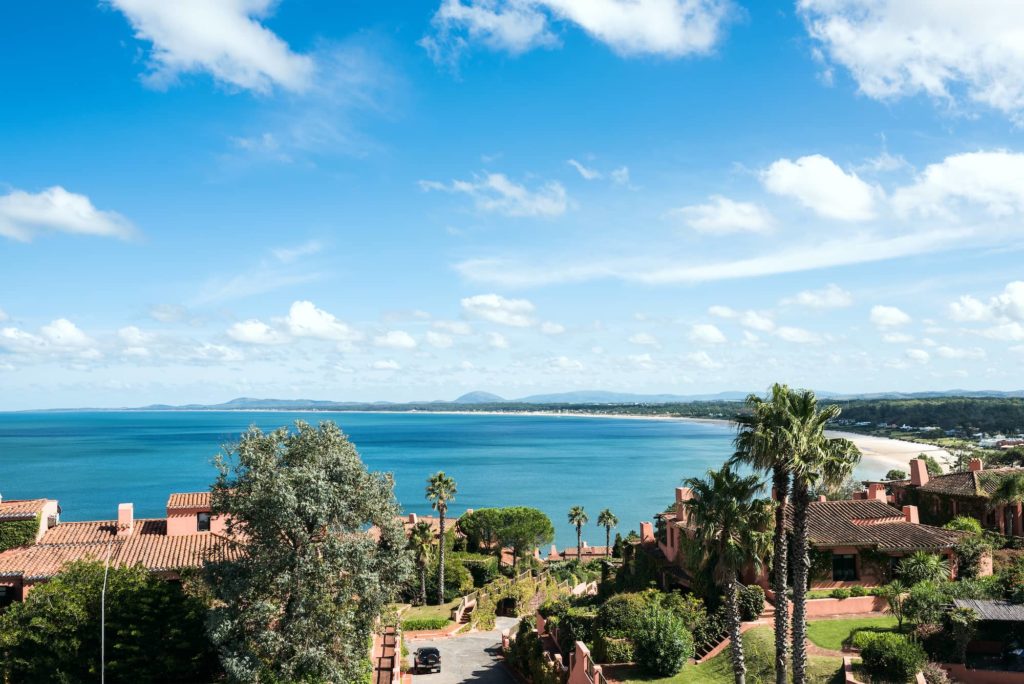
For international buyers seeking a second home on Uruguay’s coastline, the temptation to fill every corner with statement pieces is strong. Yet a quieter, more sophisticated approach is making its way into the region’s most discerning properties. Borrowing from a design philosophy known as quiet luxury, this perspective prioritises material honesty, restrained palettes, and the subtle beauty of natural ageing. In José Ignacio, where the Atlantic light shifts from sharp morning clarity to golden dusk, the concept finds an ideal stage.
Table of Contents
The Anatomy of Quiet Luxury
Quiet luxury is not minimalism. Where minimalism strips away, quiet luxury builds with intention. A room may hold many objects, but nothing is accidental or competing for attention. The foundation lies in materials that age visibly and beautifully. In a José Ignacio villa, this translates to limestone floors that soften underfoot, oak tables finished with oil rather than lacquer, and unlacquered brass fixtures that oxidise within months to develop a patina no factory can replicate.
Material Honesty
Textures are key. Smooth stone meets rough linen; polished marble sits atop raw oak. No surface pretends to be something it is not. Wood displays its knots, marble shows its veins, and linen accepts natural creases. Venetian plaster and limewash walls create tonal shifts as daylight moves across the room, making the architecture itself feel alive. For a coastal environment like Uruguay’s, these materials are not just aesthetic choices—they are practical. Natural stone and solid hardwoods withstand humidity and salt air better than synthetic alternatives, gaining character with each season.
The Light Strategy
Lighting is layered and disguised. Concealed LED strips run behind coves and millwork; table lamps with linen shades cast warm pools of 2700 K light. Dimmers are standard. Windows are dressed in linen voiles that filter harsh sun without blocking the view. The goal is to perceive light before its source, creating an atmosphere of calm rather than glare. In José Ignacio‘s open-plan layouts, this approach transforms a sunset into an interior event.
Imperfection as Luxury
Time is embraced. Leather becomes lustrous with use, brass darkens, wood acquires a patina of daily life. These traces are celebrated, not erased. For a holiday home, this means that the wear from children’s hands or sandy feet only adds value. Quiet luxury enriches itself over the years, unlike the instant-gratification finishes that must be replaced after a single season.
Team Haverkate’s Take on the Uruguayan Market
In our experience advising international buyers across Uruguay’s coastal belt, we have observed a growing appetite for homes that feel less like showrooms and more like sanctuaries. The quiet luxury approach aligns with what serious investors seek: properties that retain their appeal beyond trends. A house built on material depth and intentional design holds its value better than one chasing seasonal fashions.
Moreover, Uruguay offers a unique advantage in sourcing these materials. Local quarries supply travertine and limestone; regional hardwoods like quebracho and lapacho offer durability and warmth. Skilled artisans in towns like La Barra and Pueblo Garzón still practice traditional joinery and plasterwork. This local ecosystem allows the quiet luxury concept to be executed with authenticity, not imported artifice.
For investors, the takeaway is clear: a property that ages gracefully, that invites rather than imposes, will attract a premium among discerning buyers. The demand for serene, intentional spaces is not a passing wave—it is a structural shift in how we think about coastal living.
A Lasting Investment in Atmosphere
To embrace quiet luxury in Uruguay is to bet on depth over spectacle. It is to recognise that the most memorable homes are not those with the highest gloss, but those that feel lived-in the moment you arrive. In José Ignacio, where the landscape itself rewards patience—a slow sunset, the drift of wind over dunes—this design philosophy feels less like a choice and more like a natural fit.
International buyers should be wary of dual agency when purchasing property in Uruguay. A real estate agent representing both buyer and seller cannot fully serve your interests, leading to inflated valuations or hidden liabilities. Always insist on a buyer’s agent who works exclusively for you. Team Haverkate acts as a trusted guide for discerning investors, connecting them with vetted properties and local specialists. For those ready to explore the quiet luxury lifestyle along Uruguay’s coast, reaching out directly is the first step toward a home that honours both the landscape and your personal sense of serenity.
Frequently Asked Questions
What is quiet luxury in design?
Quiet luxury is a design philosophy that prioritises material honesty, restrained palettes, and the subtle beauty of natural ageing over statement pieces. It builds with intention, using materials that age beautifully and creating spaces that feel serene and lived-in.
How does quiet luxury differ from minimalism?
Quiet luxury is not minimalism. While minimalism strips away, quiet luxury builds with intention. A room may hold many objects, but nothing is accidental or competing for attention. The focus is on depth and texture rather than emptiness.
What materials are commonly used in quiet luxury interiors?
Key materials include limestone, oak finished with oil, unlacquered brass, marble, linen, Venetian plaster, and limewash. These materials are chosen for their natural beauty, ability to age gracefully, and practicality in coastal environments like Uruguay.
How is lighting approached in quiet luxury design?
Lighting is layered and disguised, using concealed LED strips, table lamps with linen shades, and dimmers. Windows are dressed in linen voiles to filter harsh sun. The goal is to perceive light before its source, creating a calm atmosphere that complements natural light shifts.
Why is imperfection considered a luxury in this design style?
Imperfection is celebrated because it reflects the passage of time and use. Leather becomes lustrous, brass darkens, wood acquires a patina. These signs of wear add value and character, making a home feel more alive and authentic.
What is the market trend for quiet luxury in Uruguay?
There is a growing demand for homes that feel like sanctuaries rather than showrooms. Properties built on material depth and intentional design hold their value better. Local materials and skilled artisans in Uruguay allow for authentic execution of quiet luxury.
How can international buyers avoid conflicts of interest when purchasing in Uruguay?
Buyers should be wary of dual agency, where an agent represents both buyer and seller. Always insist on a buyer’s agent who works exclusively for you. Team Haverkate acts as a trusted guide, connecting investors with vetted properties and local specialists.