The latest report on Uruguay’s freedom reveals a nation committed to maintaining its democratic values, with high scores in political rights and civil liberties. However, challenges remain in areas such as media freedom and minority representation. The country continues to evolve its democratic processes, striving for social inclusion and equality.
While Uruguay boasts a strong democratic tradition, recent developments have highlighted some areas of concern. The failure of a referendum to repeal certain laws points to political complexities. Despite this, the electoral process remains transparent, and the government operates with a significant degree of openness and accountability.
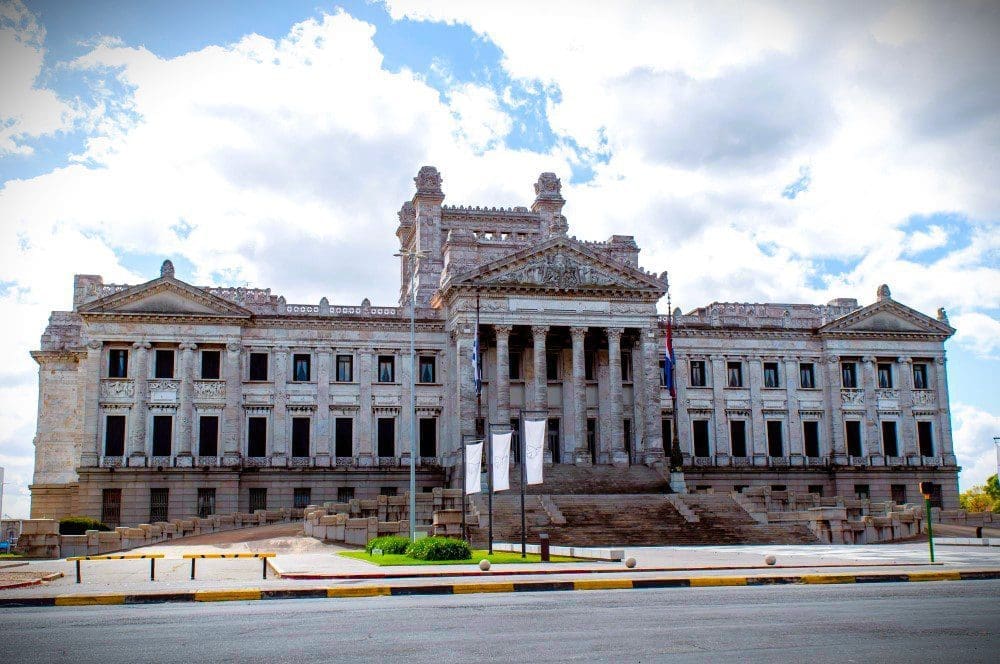
Overview of Uruguay’s Governance
Uruguay has long been recognized for its solid democratic governance and a track record of protecting political rights and civil liberties. Citizens generally enjoy equality under the law, but there remain disparities, particularly affecting women, transgender people, Uruguayans of African descent, and Indigenous populations.
Efforts are ongoing to address these gaps, but systemic challenges persist, hindering full political representation and social inclusion for these groups. The commitment to democratic principles is evident, yet the journey towards comprehensive equality is still underway.
Key Political Developments in 2022
A national referendum aimed at repealing parts of the controversial Law of Urgent Consideration (LUC) did not pass by a narrow margin. This law, a reform package introduced in 2020, remains contentious. Its retention highlights the divided opinions within the electorate on public sector reforms.
Journalists have been under increasing pressure, facing threats that have heightened concerns over media freedom. An alarming report noted a 40% rise in such incidents, suggesting a sensitive environment for those in the information sector.
The failure of the referendum and the issues surrounding press freedom underscore the complex political dynamics at play in Uruguay. While governance structures support democratic processes, these challenges reflect ongoing tensions within the country’s political landscape.
Electoral Process and Political Pluralism
Uruguay’s electoral framework is robust, with free and fair elections conducted consistently. The elections in 2019 saw center-right candidates take leadership roles peacefully, reaffirming the country’s commitment to democratic practice.
In a closely contested runoff in 2024, Uruguay’s leftist opposition candidate, Yamandú Orsi, rose to the presidency by defeating the conservative governing coalition. Unlike the anti-establishment upheaval seen in other countries, such as the United States, this election was marked by a more conventional political landscape.
The General Assembly, characterized by a bicameral system, operates with representatives from multiple political parties. This diversity within the legislature allows for varied political discourse, essential for democratic vitality.
The electoral court, overseeing processes impartially, ensures the integrity of elections. Voter participation remains high, though recent referendums indicate a division among the electorate on significant reform issues.
Functioning of Government and Transparency
Uruguay’s government functions effectively, with elected officials primarily shaping policy decisions. Corruption levels are low compared to regional standards, although some concerns have emerged related to recent legislative measures, such as the LUC.
A noteworthy incident involved the release of a well-known drug trafficker, sparking an investigation into potential governmental complicity. Such events raise questions but also demonstrate the system’s transparency through prompt investigative actions.
The government’s transparency is underscored by strong enforcement of laws against office abuse, fostering accountability to the public. Continuous vigilance is necessary to maintain these high standards, ensuring public trust in governance.
Civil Liberties and Social Freedoms
Civil liberties in Uruguay are largely upheld, with freedom of expression generally respected despite recent challenges. The rise in threats against journalists signals a troubling trend that requires attention to maintain a free press.
Academic freedoms are supported, though legislative attempts may influence university governance. Religious freedoms are respected, and individuals can publicly express religious beliefs without restriction.
Personal expressions and criticisms of the government are allowed, reflecting a mature democratic society where open debate is encouraged. Maintaining this freedom is crucial for preserving Uruguay’s democratic health.
Associational Rights and the Rule of Law
Freedom of assembly is generally respected, although concerns about potential restrictions exist under current laws. Nongovernmental organizations engage freely in civic life without significant government interference.
The judicial system maintains independence, with due process typically observed. However, a backlog of cases affects the efficiency of justice, indicating a need for systemic improvements.
Uruguay faces issues with criminal violence, exacerbated by drug trafficking. Efforts to address these problems include strategic planning to improve prison conditions and reduce overcrowding, aligning with human rights standards.
Equal Treatment and Personal Autonomy
Disparities persist despite laws promoting equality, with minorities and marginalized communities facing economic and social barriers. Efforts are underway to improve representation and opportunities, particularly for Afro-Uruguayans and women.
Programs support vulnerable groups, but challenges remain in combating broader issues such as human trafficking. The government’s commitment to improving conditions is evident, yet comprehensive solutions are required.
Personal freedoms, including movement and property rights, are respected. The government continues to enhance frameworks supporting social freedoms and autonomy, crucial for sustained democratic development.
Current Social and Economic Challenges
Economic exploitation and inequality affect minority groups disproportionately. Increased subsidies have been introduced to encourage businesses to hire individuals from vulnerable sectors, reflecting a proactive governmental stance.
Gender-based violence presents a serious challenge, prompting initiatives for specialized courts to address such issues. Legal frameworks are being strengthened to provide better protection and support.
The breadth of policies designed to reduce social disparities highlights Uruguay’s commitment to equal opportunity. Continuous efforts are necessary to address deeply ingrained societal challenges, ensuring progress towards an inclusive democracy.
International Observations and Reports
International reports and observations highlight Uruguay’s achievements while noting areas needing improvement. The nation’s high freedom score underscores its democratic strengths, yet ongoing monitoring is essential.
Efforts to address inequality and safeguard freedoms continue, driven by both internal and external pressure. Engagement with international bodies supports Uruguay’s objectives, promoting sustained democratic achievements.
Conclusion
Uruguay’s commitment to democratic principles remains strong, reflected in its governance and civil liberties scores. Yet, ongoing challenges necessitate continued efforts towards inclusivity and transparency. The nation’s political landscape holds promise for progress, supported by a vigilant adherence to democratic norms!