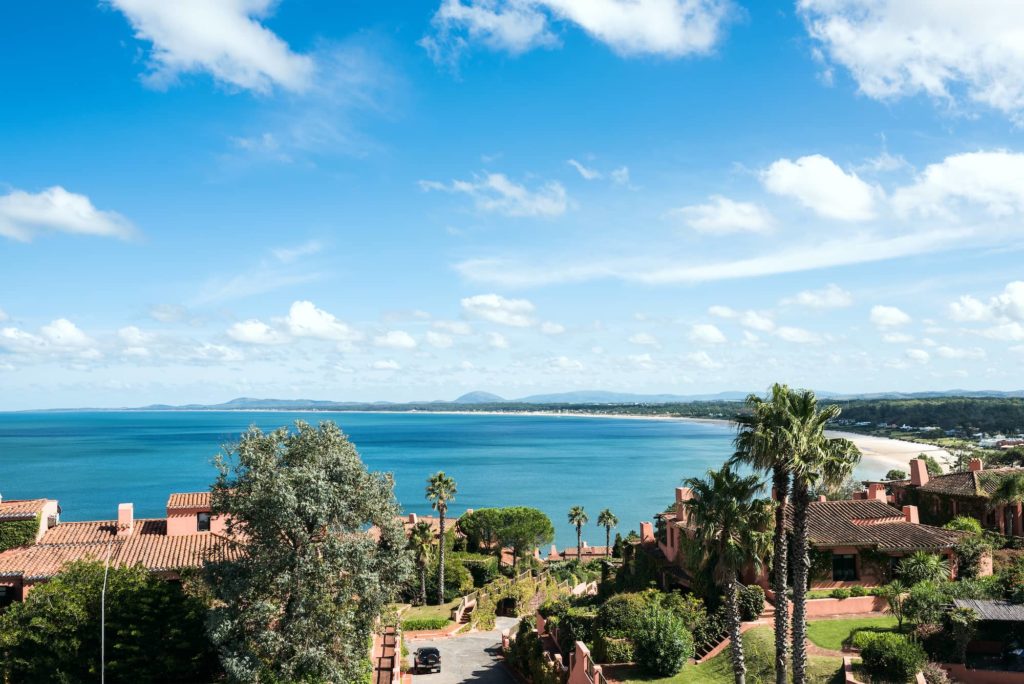
Uruguay offers a unique opportunity for investing in farmland due to its favorable climate, fertile soil, and supportive government policies. This South American country is known for its sustainable and resilient agricultural economy.
Investors seeking stable returns and sustainability can explore diverse types of farmland in Uruguay. With no foreign ownership restrictions and transparent legal processes, Uruguay presents an attractive investment landscape. Let’s delve into the different aspects of buying farmland here.
Economic and Investment Benefits
Uruguay’s agricultural sector is a global leader, especially in beef and soy production. The government supports eco-friendly practices, enhancing product quality. This creates a prosperous market for investors. Favorable policies and tax incentives boost returns.
The land’s natural attributes, like fertile soil and abundant water resources, make it ideal for profitable farming. Uruguay’s stable political climate and supportive infrastructure reinforce its investment appeal.
Variety of Farmland Types
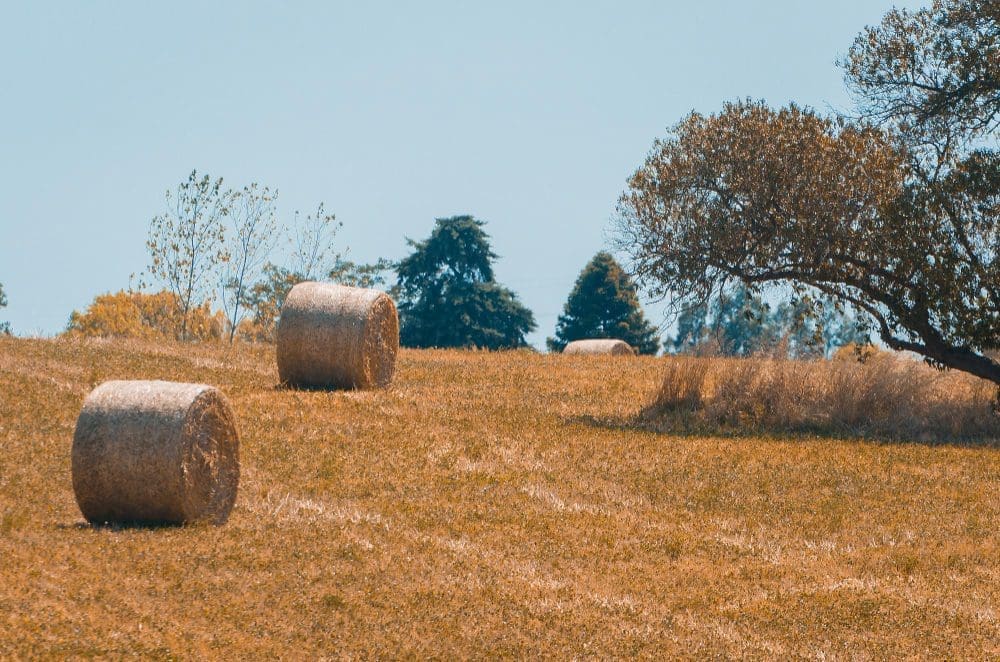
Livestock farming is highly profitable in Uruguay. The vast grasslands support cattle and sheep, adhering to ethical and sustainable farming standards. Such conditions make Uruguayan beef highly desirable worldwide.
For crop cultivation, Uruguay’s temperate climate and non-GMO policies ensure high yield and demand for products like soy and wheat. Regions like Soriano excel in soil quality, enhancing the appeal for crop-focused investments.
Investors can also consider mixed-use farms combining livestock and crops for a diversified income. This model optimizes land use and supports innovative farming techniques. Forested land offers reforestation and timber revenue, with added environmental benefits.
Regional Price Differences
Farmland prices vary widely across Uruguay, affecting investment decisions. Coastal areas like Montevideo demand higher costs due to accessibility. However, the interior regions offer more affordable land, ideal for large-scale investments.
Understanding land prices requires analyzing local factors like soil and market connectivity. Coastal lands command higher prices, while interior regions provide cost-effective options. The average price ranges between $3,500 to $10,000 per hectare.
Steps to Acquire Farmland
Prospective buyers should define their investment goals clearly. Whether for commercial farming or private use, identifying goals helps in selecting suitable land and aligning with long-term plans.
Budgeting is an essential step, covering purchase costs, taxes, and potential improvements. Considering ongoing operational expenses ensures comprehensive financial planning.
Engaging local professionals, such as agents and agronomists, streamlines the buying process. Their expertise aids in evaluating land suitability and navigating legalities.
Due diligence involves verifying the land’s title and soil quality. Water access and zoning regulations must align with the intended use.
Finalizing the purchase involves contract signing and ensuring all legal formalities are completed for secure ownership.
Financing and Investment Options
Uruguayan banks offer various farmland mortgage options. Interest rates and terms vary, emphasizing the importance of comparing offers for the best deal.
Private investors provide alternative financing. Partnerships enable shared costs and can be beneficial for large acquisitions, offering flexibility for foreign buyers.
Cash purchases offer benefits like quicker transactions and better negotiation power. Eliminating interest payments reduces long-term costs, enhancing overall investment value.
Challenges and Potential Pitfalls
Investors must consider climate risks like droughts and floods, common in Uruguay. Weather patterns can impact yield and operational costs.
Market fluctuations in crop and livestock prices also pose risks. Strategies like diversification and forward contracts help mitigate these impacts.
Legal diligence is critical to ensure clear title and compliance with environmental standards. Collaborating with local experts minimizes potential complications.
By and Large
Investing in Uruguayan farmland presents numerous advantages, from stable returns to eco-friendly opportunities. With thorough research and local expertise, buyers can navigate the landscape effectively. Team Haverkate, fluent in Spanish, English, and German, offers invaluable assistance to investors, providing insights and guidance tailored to your specific needs. Their local knowledge ensures you make informed decisions in this promising market. As a foreign buyer, you want to make sure in Uruguay, you work with a reputable agency that doesn’t practice “Dual Agency” which means one agent working both sides in a transaction. Team Haverkate makes sure that they only represent their client, the buyer, and not the seller as well.
Contact Team Haverkate today to explore the best options for your farmland investment in Uruguay!