YOUR TAKEAWAYS
- The “Luxury Penalty” Erased: The 2026 EU-Mercosur deal aggressively phases out the 35% import tariff on European passenger cars, granting a 50,000-unit transitional quota at 17.5% and fast-tracking EV imports.
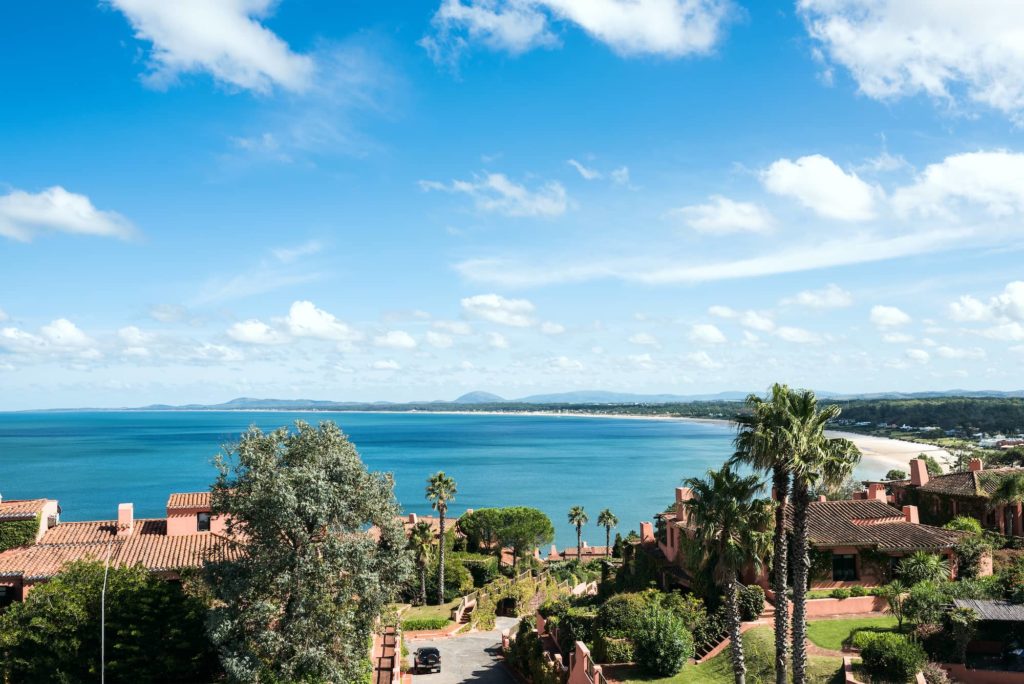
- Real Estate Architectural Shift: The influx of affordable luxury vehicles creates immediate demand for coastal villas in Punta del Este and Jose Ignacio featuring climate-controlled, multi-car garages with EV charging infrastructure.
- Unmatched Capital Efficiency: Combining the drastically lowered cost of imported luxury vehicles with Uruguay’s 11-year tax holiday creates a globally unmatched financial environment for relocating high-net-worth expats.
Dismantling the 35% Automotive Tariff
In January 2026, the newly signed EU-Mercosur agreement officially triggered the dismantling of one of the most significant historical barriers to luxury living in South America: the prohibitive 35% base import tariff on European passenger cars. For decades, the compounding taxes on imported high-end vehicles created a massive “luxury penalty” for residents and expatriates in Uruguay. A European luxury vehicle that retailed for $100,000 in Germany frequently exceeded $170,000 upon arrival in Mercosur due to these tariffs and domestic taxes. Under the new legal framework, this financial barrier is systematically being erased.
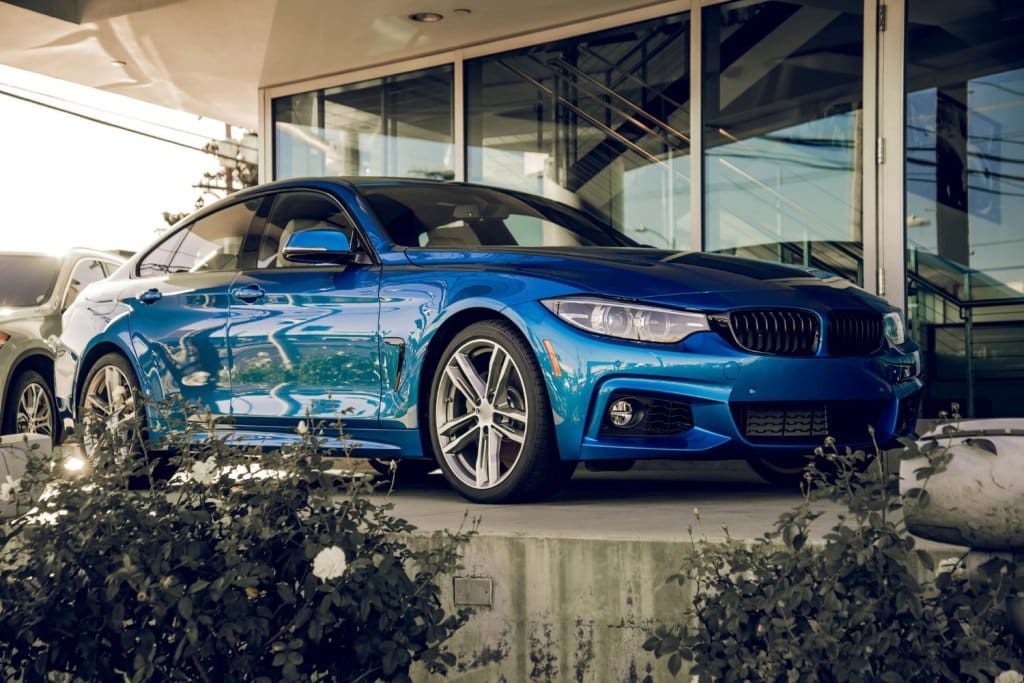
While the complete elimination of the 35% tariff for internal combustion engine (ICE) vehicles is structured over a 15-year phase-out, the agreement immediately activates a highly lucrative transitional quota. During the first seven-year grace period, up to 50,000 European vehicles per year will be permitted to enter the Mercosur bloc at exactly half the traditional base tariff, locked in at 17.5%. This creates an immediate “first-mover advantage” for buyers securing high-end imports in the 2026 and 2027 calendar years.
Fast-Tracking the Electric Vehicle Revolution
The trade treaty places a distinct priority on sustainable transport, establishing an accelerated phase-out schedule for Battery Electric Vehicles (BEVs). The entry tariff for European EVs is immediately reduced to 25% upon the agreement taking effect, with aggressive annual step-downs to follow. Given that Uruguay currently operates a highly advanced national grid powered by up to 99% renewable energy, the country is uniquely positioned to absorb this influx of electric vehicles.
Furthermore, the agreement completely abolishes the 14% to 18% import tariffs on European automotive parts. Historically, the exorbitant cost and extended delays associated with importing OEM spare parts for brands like Mercedes-Benz, BMW, and Porsche constituted a major friction point for South American vehicle ownership. By legally erasing these tariffs, the long-term operational and maintenance costs of premium vehicle ownership in Uruguay are dramatically lowered.
Commercial Expansion and Geopolitical Pivots
At the macroeconomic level, the European automotive sector is executing a strategic pivot toward the Mercosur bloc. As the United States adopts increasingly protectionist trade policies and contemplates higher tariffs on European automobiles in 2026, EU manufacturers are repositioning South America as a prioritized, tariff-free growth market. Uruguay is a direct beneficiary of this geopolitical shift, effectively ensuring priority inventory allocation for the latest luxury and electric models.
Consequently, major European automotive conglomerates, including the Volkswagen Group and Mercedes-Benz Group, are projecting aggressive expansions of their flagship dealership and servicing footprints. Industry analysts forecast a surge in commercial real estate development specifically targeting the Interbalnearia Route—the primary logistical corridor connecting the capital of Montevideo to the affluent coastal enclave of Punta del Este.
Team Haverkate Analysis
The 2026 EU-Mercosur agreement’s aggressive phase-down of the infamous automotive tariff definitively destroys the last major barrier to a fully realized “First World” lifestyle in Uruguay. For our high-net-worth (HNW) investors from the United States and Europe, the “hidden cost” of Uruguayan living is vanishing. Importing a Porsche Taycan, an Audi e-tron, or a Mercedes-Benz is no longer a financially punitive undertaking. When this newfound automotive purchasing power is compounded with Uruguay’s highly attractive 11-year tax holiday on foreign-sourced income, the financial efficiency is unparalleled. The capital saved from paying zero income tax on foreign dividends can now be deployed domestically into tariff-reduced luxury vehicles and premium real estate, representing the highest capital efficiency available globally.
This massive shift in automotive accessibility fundamentally alters the architectural demands of Uruguayan luxury real estate. As the barrier to acquiring European vehicles drops, the volume of luxury fleets on Uruguayan roads will inevitably spike, finally fulfilling Punta del Este’s reputation as the “Monaco of South America.” For real estate investors and developers, this creates a highly specific, immediate demand: premium properties in Carrasco, La Barra, and Jose Ignacio must now be positioned to accommodate these vehicles. Coastal villas and luxury estates lacking secure, climate-controlled, multi-car garages equipped with dedicated EV charging infrastructure will quickly become obsolete in the eyes of the modern expatriate buyer. Simultaneously, savvy commercial real estate investors should immediately target prime land acquisitions along the Interbalnearia Route to capitalize on the impending wave of European dealership leases.
The Strategic Conclusion
The elimination of automotive tariffs and the subsequent transformation of Uruguay’s luxury lifestyle present a rare, highly lucrative window for foreign capital deployment. Whether you are acquiring a sprawling coastal estate requiring modern EV infrastructure, or targeting high-yield commercial land for dealership expansion, the Uruguayan real estate market is poised for rapid evolution. However, executing these high-value acquisitions demands sophisticated, independent legal and financial oversight to protect your capital from local market inefficiencies.
The most significant threat to a foreign buyer in Uruguay is the pervasive industry standard of “Dual Agency.” In this compromised model, a single real estate broker attempts to simultaneously represent the seller’s demand for the highest possible price and your critical need for rigorous due diligence. This inherent conflict of interest consistently leaves foreign investors exposed to inflated valuations, hidden structural deficits, and compromised legal security.
Team Haverkate vehemently rejects the dual agency model, operating exclusively as your dedicated Buyer’s Agent. Our sole fiduciary responsibility is to you, the investor. We provide the forensic market analysis, strategic negotiation, and independent legal coordination required to safely navigate Uruguay’s evolving real estate landscape. To secure your position in this rapidly upgrading market, contact Team Haverkate today. Our expert advisory team is ready to assist you in English, German, French, or Dutch.