YOUR TAKEAWAYS
- Uruguay ensures a highly accessible market for international investors, with Law 16.906 explicitly guaranteeing no restrictions on foreigners owning rural land.
- The CONEAT Index is fundamental for agricultural investment, providing a transparent, standardized system to objectively measure and compare the soil productivity and intrinsic value of farmland.
- The market is defined by a dual-purpose investment appeal, offering not only commercial opportunities in agribusiness but also lucrative lifestyle properties (chacras) near coastal areas for personal use and income generation.
Uruguay, often dubbed the “Switzerland of South America” for its political stability and robust economy, presents a compelling proposition for foreign investors looking beyond traditional residential real estate. The country’s fertile lands, temperate climate, and strong agricultural sector offer a unique and lucrative niche: farmland, locally known as “chacras.” As we look towards 2025, investing in Uruguayan farmland is increasingly appealing, not just for agricultural returns but also for a coveted rural lifestyle. A key differentiator in the region, Uruguay stands out with its foreign investment laws (Law 16.906) that place no restrictions on foreigners owning rural land, ensuring a transparent and accessible market. This guide delves into the essential considerations for international buyers eyeing Uruguay’s green gold, from soil productivity assessments to tax implications and emerging agricultural trends.
No Restrictions on Foreign Ownership
One of Uruguay’s most significant advantages for international investors is its remarkably open stance on foreign land ownership. Unlike many neighboring countries that impose limitations or require special permits for non-citizens to acquire rural properties, Uruguay’s Law 16.906 explicitly ensures that foreigners face no restrictions. This legal clarity and freedom are a major draw, providing peace of mind and simplifying the investment process. This policy underscores Uruguay’s commitment to attracting foreign capital and integrating international investors into its economic landscape, making it a highly accessible market for those seeking to diversify their portfolios with agricultural assets.
The CONEAT Index: Assessing Land Productivity
For anyone considering agricultural investment in Uruguay, understanding the CONEAT index is fundamental. This standardized system classifies all rural land in Uruguay based on its inherent soil productivity, providing a transparent and objective measure of land value for agricultural purposes. The index assigns a score to each parcel, reflecting its capacity for various types of farming or livestock. A higher CONEAT index generally indicates more fertile land, capable of higher yields or supporting more livestock, and consequently, a higher market value. Utilizing this index allows investors to make informed decisions, comparing properties based on their intrinsic agricultural potential rather than subjective assessments, and aids in due diligence.
Popular “Chacra” Locations for Lifestyle Investors
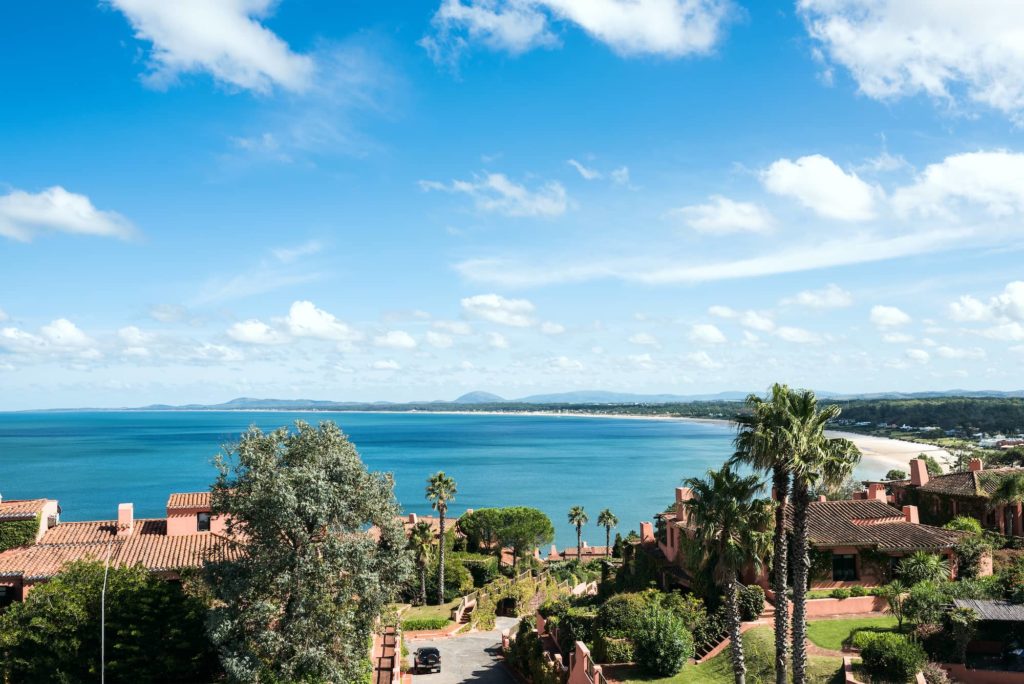
For those seeking a blend of rural tranquility and sophisticated amenities, specific regions of Uruguay are particularly favored for lifestyle “chacras” – small farms or country estates. The areas surrounding the chic coastal resorts of Punta del Este and José Ignacio, as well as the historic city of Carmelo, are highly sought after. These locations offer the idyllic charm of country living, with expansive green spaces and fresh air, while remaining within close proximity to gourmet restaurants, cultural events, and high-quality services. Such properties often serve as luxury retreats, offering equestrian facilities, vineyards, or organic gardens, appealing to buyers who desire a productive asset that also enhances their quality of life.
Agricultural Investment Hotspots for Commercial Farming
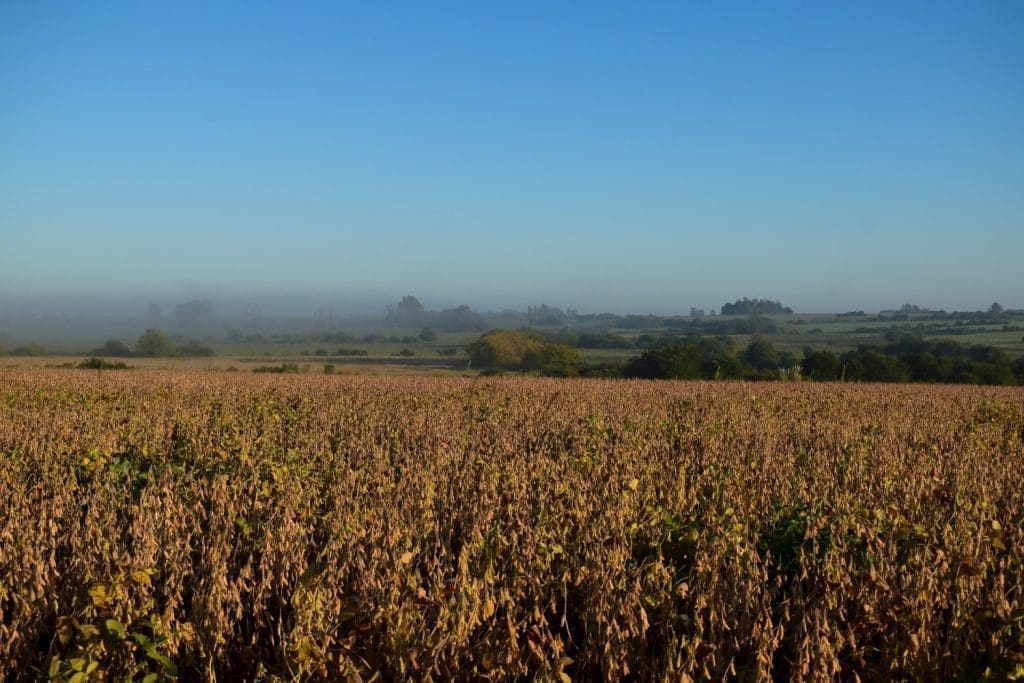
Beyond lifestyle properties, Uruguay boasts prime regions for large-scale commercial farming, catering to investors focused on agricultural returns. The departments of Soriano and Colonia, renowned for their fertile soils, are leading areas for intensive crop production, particularly soybeans and other grains. For cattle ranching and forestry, the central-northern regions like Durazno and Tacuarembó offer vast expanses of pastureland and suitable conditions for timber plantations. These areas are characterized by established agricultural infrastructure, access to processing facilities, and a skilled workforce, making them ideal for investors looking to engage in productive agribusiness operations on a significant scale.
Understanding Taxation on Farmland
Foreign owners of Uruguayan farmland must be aware of the applicable tax regime. Rural landowners are subject to two primary property taxes: the national primary education tax (Impuesto de Primaria), which contributes to the public education system, and a municipal rural property tax (Contribución Inmobiliaria Rural), levied by the local Intendencia. These taxes are generally manageable and reflect the government’s commitment to local development and services. Additionally, any income generated from agricultural activities, such as crop sales or livestock, is subject to the corporate income tax, known as IRAE (Impuesto a las Rentas de las Actividades Económicas). Expert tax advice is crucial to understand the specific obligations and optimize financial planning for agricultural ventures.
The Rise of Olive Groves and Vineyards
Uruguay is rapidly gaining international recognition for its premium wines and olive oils, leading to a growing trend of foreign investment in boutique olive groves and vineyards. The regions of Maldonado, Canelones, and Colonia, with their favorable microclimates and terroir, are particularly attractive for these specialized agricultural pursuits. Investors are drawn by the potential for high-value exports and the prestige associated with producing quality artisanal products. This niche market offers not only financial returns but also a unique lifestyle opportunity, allowing owners to engage in a passion project that aligns with Uruguay’s burgeoning reputation for culinary excellence. The long-term growth potential in these sectors is robust, supported by increasing global demand for high-quality, sustainably produced goods.
Critical Considerations for Water Rights
Access to water is an indispensable factor for any agricultural enterprise, especially for irrigation-intensive crops or livestock operations. In Uruguay, water rights are meticulously regulated by the state to ensure sustainable use and equitable distribution. Any significant water usage for irrigation, beyond basic domestic needs, requires a formal permit from the National Water Directorate (DINAGUA). Prospective buyers of farmland must conduct thorough due diligence regarding existing water sources, their permits, and the potential for obtaining new ones. Understanding these regulations and securing appropriate water rights is critical for the long-term viability and productivity of any agricultural investment, preventing future disputes or limitations on operations.
Turnkey Agribusiness Operations for Hands-Off Investment
For foreign owners who may not reside in Uruguay or possess the expertise to manage day-to-day farm operations, the availability of turnkey agribusiness solutions is a significant advantage. Many reputable firms in Uruguay specialize in professional farm management services, offering everything from crop planning and cultivation to livestock management, harvesting, and marketing. These services allow foreign investors to capitalize on Uruguay’s productive farmland without needing to be directly involved in the operational complexities. This hands-off approach makes agricultural investment accessible to a broader range of international buyers, providing expert local management that maximizes returns and ensures the efficient running of the agricultural enterprise.
Historical Land Value Appreciation
Historically, Uruguayan farmland has proven to be a remarkably stable and appreciating asset. It has consistently demonstrated long-term appreciation, often acting as an effective hedge against global inflation and economic volatility. This stability is rooted in the country’s strong agricultural sector, its role as a significant food producer, and its sound economic policies. Investors view farmland not just as a productive asset but also as a secure store of value, offering both capital growth and potential income generation. This historical performance provides a compelling argument for farmland as a strategic component of a diversified investment portfolio, particularly for those seeking tangible assets in a reliable market.
Dual-Purpose Investment: Lifestyle and Income
A compelling aspect of investing in a “chacra” for many US and European buyers is its inherent dual purpose. Such properties serve not only as a lifestyle investment for personal use – perhaps a country retreat, a family home, or a place to pursue hobbies like equestrianism or viticulture – but also as a productive asset capable of generating income. Owners often choose to lease their land to local farmers, providing a steady rental income while the land is actively managed and maintained. Alternatively, they might engage in small-scale agricultural operations themselves, such as organic farming, raising specialty livestock, or producing artisanal goods. This combination of personal enjoyment and financial return makes Uruguayan chacras a uniquely attractive investment.
The Bigger Picture
Investing in Uruguayan farmland offers a powerful avenue for portfolio diversification, moving beyond traditional real estate into a sector underpinned by global demand for food and commodities. For foreign investors, this means tapping into a stable asset class with a proven track record of capital appreciation and income generation, acting as a robust hedge against inflation. The “chacra” market specifically caters to a growing segment of buyers seeking a high quality of life—a serene rural escape, often with proximity to coastal amenities—combined with the financial security of a productive asset. This blend of lifestyle and investment potential is a key differentiator, appealing to those who envision a direct connection to the land and a more sustainable way of living.
Furthermore, Uruguay’s clear governmental policies regarding foreign ownership and the transparent CONEAT index significantly de-risk agricultural investments, fostering a predictable environment. The availability of turnkey agribusiness operations means that even those without direct farming experience can participate effectively, leveraging local expertise. This robust framework, coupled with the rising global profile of Uruguay’s premium agricultural products like wine and olive oil, positions farmland as not just a real estate investment, but a strategic entry into a flourishing export-oriented economy. Team Haverkate recognizes that understanding these intricate layers—from land productivity and water rights to tax structures and management options—is crucial for maximizing the long-term returns and lifestyle benefits of a Uruguayan chacra, ensuring both financial prudence and personal fulfillment.
Embarking on the journey of investing in Uruguayan farmland, whether for commercial agricultural returns or a cherished lifestyle property, requires careful planning and expert guidance. The unique opportunities presented by Uruguay’s open foreign ownership laws, the transparency of the CONEAT index, and the potential for dual-purpose investments are compelling. However, successfully navigating the intricacies of local taxation, water rights, and selecting reliable management or construction partners demands thorough preparation and comprehensive knowledge of the legal and financial landscape. For foreign buyers, the paramount importance lies in partnering with a reputable agency that operates with unwavering transparency and exclusively represents your interests, unequivocally avoiding ‘Dual Agency‘. Team Haverkate stands as your dedicated partner, committed solely to representing the buyer and ensuring a trustworthy, clear, and successful journey into Uruguay’s thriving rural real estate market. We encourage you to reach out to Team Haverkate for personalized assistance, leveraging our expertise to make your Uruguayan farmland investment a reality. Our team is fully equipped to personally assist clients in German, English, French, or Dutch, providing seamless communication and unparalleled support every step of the way.