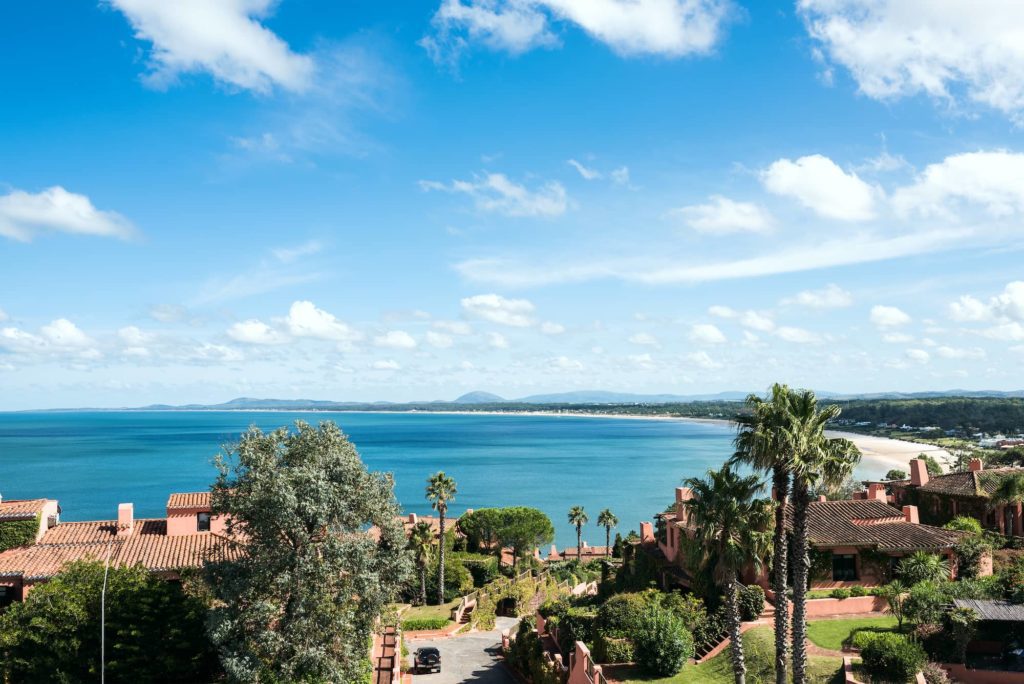
In recent years, the mention of Uruguay may conjure images of golden beaches, vibrant culture, and a peaceful society nestled between two geopolitical giants. Yet, beneath the surface, tourism stands as a pivotal force shaping the country’s economic landscape. Surprisingly, Uruguay’s tourism industry has become a silent powerhouse. Accounting for approximately 9% of the country’s GDP, it provides employment to 7.5% of the workforce. This article delves into the nuances of tourism’s impact on the Uruguayan economy, presenting a comprehensive statistical analysis of visitor numbers, revenue generation, and seasonal trends.
Uruguay: The Emerging Jewel of South America
Nestled between Argentina and Brazil, Uruguay is rapidly growing as a sought-after travel destination. Known for its progressive politics and high quality of life, the country offers a unique blend of experiences that cater to a range of interests. Uruguay’s vast coastline, vibrant cities, and serene countryside create a diverse backdrop for tourism.
With its UNESCO World Heritage Sites, the cosmopolitan capital of Montevideo, and the upscale beach town of Punta del Este, Uruguay attracts a varied international clientele. Over the past decade, international arrivals have seen a consistent increase, with over 3.8 million visitors recorded in 2023 alone. This rise in tourist numbers indicates not just a growing interest in Uruguay, but also an evolving economic landscape being partially sculpted by global wanderlust.
Visitor Numbers: Tracking the Growth
Visitor numbers to Uruguay have shown a positive trajectory, with a marked increase in international arrivals. The country saw an influx of tourists in 2023, hosting 3.8 million visitors. Interestingly, this surge aligns with Uruguay’s strategic tourism policies and improving infrastructure, aimed at attracting more global tourists.
Notably, the majority of these visitors hail from neighboring Argentina and Brazil, followed by an increasing number of tourists from Europe and North America. Seasonal patterns reveal a spike during the South American summer months of December to February, drawing in tourists seeking sun, culture, and relaxation. This influx significantly boosts local economies, particularly along the coast.
Revenue Generation: The Financial Backbone
Analyzing the role of tourism in Uruguay’s economy, it is crucial to underscore the sector’s impact on revenue generation. In 2023 alone, tourism contributed approximately $1.776 billion in revenue. This financial infusion is vital, supporting local businesses and generating significant tax revenue for the government.
Furthermore, the tourism sector spurs indirect economic benefits by driving demand for goods and services, from hospitality to handcrafts. Each tourist creates a ripple effect within the economy: spending on accommodation, dining, and entertainment contributes to the financial well-being of local communities.
Popular Destinations: The Anchor Points of Tourism
Visitor trends highlight certain key destinations as major attractions. Punta del Este remains a top-tier choice, known for its glamorous resorts, upscale dining, and vibrant nightlife. This coastal city is often dubbed the St. Tropez of South America, attracting an elite international crowd during the peak season.
Montevideo, the capital city, combines cultural depth with cosmopolitan charm, offering historical sites, lively festivals, and burgeoning gastronomy. Meanwhile, the colonial town of Colonia del Sacramento offers a step back in time with its cobbled streets and rich architectural heritage. These destinations don’t just draw visitors; they act as economic hubs that channel tourism revenue into surrounding areas.
Seasonal Trends: Riding the Waves
Tourism in Uruguay exhibits definitive seasonal trends, peaking during the summer months. This necessitates robust planning and resource allocation to accommodate the influx of visitors. The winter months, from June to August, see a dip in arrivals, prompting tourism stakeholders to innovate with events and packages designed to attract travelers during the off-peak season.
Efforts to diversify the tourism offers beyond the traditional beach season are gradually paying off. There is a growing interest in Uruguay’s wine tourism, rural experiences, and cultural festivals, which help to stabilize the sector year-round. This strategic diversification not only stretches tourist dollars across the calendar but also spreads benefits across the country’s geographical regions.
Economic Impact on Local Communities
Tourism’s economic footprint extends beyond national figures, deeply impacting local communities. Coastal towns, rural areas, and city centers benefit from the injection of tourist spending, leading to infrastructure development, improved public services, and job creation.
Local artisans, small businesses, and service providers thrive with increased tourist activity. However, it is essential for tourism to be managed sustainably to prevent over-reliance and ensure that communities retain their cultural essence and environmental integrity.
The Role of Government and Policy Initiatives
The Uruguayan government recognizes tourism as a strategic economic pillar, prompting the implementation of policies to bolster the sector. Investment in infrastructure improvements, international marketing campaigns, and collaboration with private sector stakeholders are central to these efforts.
Government initiatives aim to enhance visitor experiences, promote diverse tourism offerings, and ensure sustainable practices. By prioritizing sector growth, Uruguay positions itself as a competitive player on the global tourism stage, fostering an environment conducive to economic prosperity and cultural exchange.
Challenges and Opportunities
Despite its successes, Uruguay’s tourism industry faces challenges including geopolitical tensions, currency fluctuations, and shifting global travel patterns. Addressing these challenges requires innovative solutions and agile strategies to ensure continued growth and resilience.
Investments in eco-friendly tourism, digital marketing, and sustainable development present opportunities for Uruguay to distinguish itself as a progressive and welcoming destination. By leveraging its strengths, the country can continue to attract discerning travelers while safeguarding its natural and cultural assets.
Looking Forward: Future Prospects
Uruguay’s tourism sector is poised for continued growth, driven by strategic initiatives and a commitment to high-quality visitor experiences. Data-driven decision-making will be essential to anticipate market trends, adapt to changes, and capitalize on emerging opportunities.
The integration of new technologies, like augmented reality and AI in tourism services, presents untapped potential. By embracing innovation, Uruguay can enhance visitor engagement, streamline operations, and offer personalized travel experiences that resonate with modern tourists.
All in All
Tourism undeniably plays a crucial role in Uruguay’s economic development. As it continues to boost GDP and create employment, it enriches local communities with cultural and monetary capital. Moving forward, maintaining sustainable growth is key. For those interested in exploring the real estate opportunities in this burgeoning market, Team Haverkate stands as a leader in guiding investments and providing insight into the dynamic Uruguayan landscape. Contact Team Haverkate for more information on how you can be a part of this thriving economy.