Uruguay is a South American nation recognized for its high standard of living, political stability, and progressive social landscape. Situated between Brazil and Argentina, the country has forged a distinct identity characterized by a strong democratic tradition and a resilient, diversified economy. This report provides a comprehensive overview of Uruguay’s key demographic, geographic, cultural, and economic indicators as of 2025.
1. Fast Facts
Uruguay’s key statistics provide a snapshot of a developed and stable nation.
- Area: 176,215 square kilometers.
- Population: 3,384,740 (as of June 29, 2025).
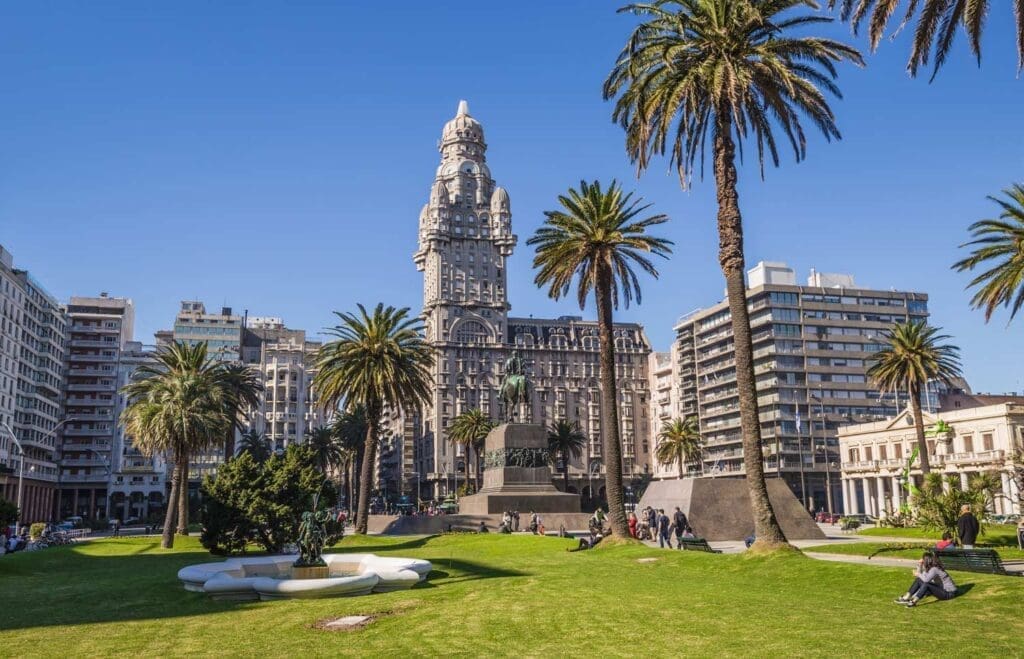
- Capital: Montevideo, the country’s primary economic and cultural center.
- Official Language: Spanish.
- Currency: Uruguayan peso.
- Urban Population: 96% of the population resides in urban areas.
- Literacy Rate: Over 98%, one of the highest in South America.
- Human Development Index (HDI): 0.862, placing Uruguay in the “very high” human development category.
2. Geography
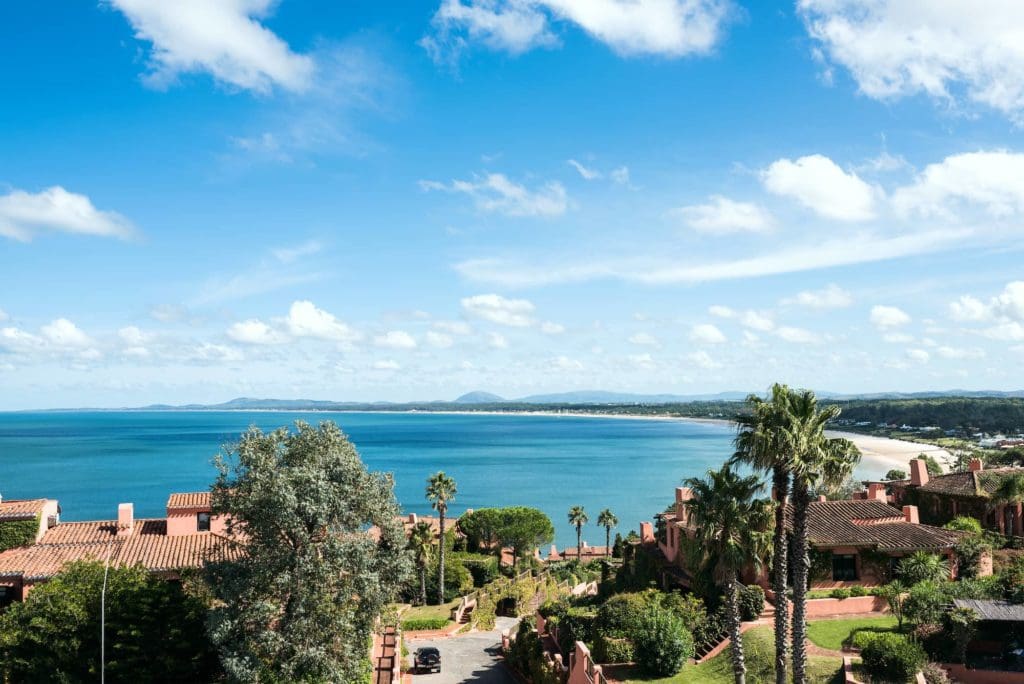
Uruguay’s geography is characterized by a mix of low-lying plains and rolling hills. Located entirely within a temperate zone, the country experiences warm summers and mild winters. The eastern border is defined by a significant Atlantic Ocean coastline featuring numerous beaches, while the interior consists of fertile grasslands ideal for agriculture and livestock grazing. The Uruguay River forms the country’s natural western boundary with Argentina and is a central part of its extensive river system.
3. History
Uruguay’s history is shaped by its indigenous roots, European colonization, and a determined fight for sovereignty. The region was originally inhabited by indigenous groups, most notably the Charrúa people. Spanish explorers arrived in the early 16th century, and the territory subsequently became a contested zone between the Spanish and Portuguese empires. After a prolonged struggle against foreign powers, Uruguay achieved its independence in 1828 and established a democratic republic with its first constitution.
4. People
The Uruguayan population is a blend of diverse heritages, primarily of European descent with significant Spanish and Italian influence. African and indigenous ancestries have also contributed to the nation’s cultural identity. Uruguayans are known for a strong sense of community and national pride, often expressed through a collective passion for football (soccer).
Key demographic characteristics include a mature, aging population resulting from a low birth rate and high life expectancy. The consumption of yerba mate, a traditional caffeinated infusion, is a defining cultural practice. Furthermore, Uruguay has one of the highest rates of beef consumption per capita in the world, reflecting the historical importance of the livestock industry.
5. Culture
Uruguay’s culture is a rich mosaic of artistic and social traditions. The country has a celebrated literary history, having produced renowned authors such as Eduardo Galeano and Mario Benedetti. The visual arts are prominent, particularly in Montevideo, where murals and galleries are widespread.
Several cultural elements are integral to the national identity:
- Candombe: A style of music and dance originating from the descendants of liberated African slaves, recognized by UNESCO as an Intangible Cultural Heritage of Humanity.
- Gaucho Tradition: The figure of the “gaucho,” a skilled horseman and cowboy, is a national symbol representing rural heritage.
- Carnival: Uruguay hosts the longest-running carnival celebration in the world, with festivities spanning over a month.
- Tannat Wine: The country is a significant producer of Tannat, a red wine variety that is considered its national grape.
6. Nature
Uruguay’s natural environment offers diverse ecosystems and protected areas. The Atlantic coastline features well-known beaches and natural formations like the large sand dunes of Cabo Polonio. The country is also home to significant wetlands, such as the Bañados del Este and Laguna de Rocha, which are recognized for their ecological importance and biodiversity.
7. Government
Uruguay operates as a stable constitutional republic with a multi-party political system that ensures diverse representation. It is consistently ranked as one of Latin America’s strongest democracies, noted for its high levels of political freedom and low levels of corruption.
The government is recognized internationally for its progressive social policies, which include:
- The legalization of same-sex marriage.
- The decriminalization of abortion.
- Becoming the first country in the world to fully legalize the production, sale, and consumption of marijuana.
- The offering of a digital nomad visa, which permits remote workers to reside in the country for periods of six months to a year.
8. Economy
Uruguay possesses a diversified and resilient economy that has moved beyond its traditional reliance on agriculture. As of 2025, the nation’s Gross Domestic Product (GDP) is projected to reach $83.39 billion. Key economic indicators from May 2025 include an annual inflation rate of 5.05% and an unemployment rate of 7.8%.
The primary sectors of the economy are agriculture, manufacturing, services, and tourism. Uruguay remains a major global exporter of beef, and its manufacturing sector has grown, particularly in textiles and machinery. In recent years, the country has become one of the largest per-capita exporters of software in Latin America. The main trading partners include China, Brazil, the European Union, the United States, and Argentina.
9. Key Development and Technology Indicators
Uruguay has established itself as a regional leader in technology adoption and sustainable development.
- Renewable Energy: As of 2024, an estimated 99% of the nation’s electricity is generated from renewable sources, primarily wind and hydropower.
- Digital Connectivity: The country has a high internet penetration rate of 93.0% (January 2025). The government aims for 13% 5G penetration by the end of 2025, with a target of 65% by 2030.
- Financial Inclusion: Digital transactions are widespread, with 75% of all payments in the country made via electronic methods.
- Public Safety: Uruguay maintains one of the lowest crime rates in the Americas, contributing to its overall stability.
10. Tourism
The tourism sector is a significant contributor to the Uruguayan economy. In 2024, the country welcomed 3.3 million tourists, which generated approximately $1.75 billion in revenue. Visitors are drawn to its coastal resorts, historic cities, and natural landscapes, supported by a well-regarded infrastructure and a safe environment.
Conclusion
Uruguay in 2025 stands as a model of stability, progress, and high quality of life in South America. Its combination of a strong democratic tradition, forward-thinking social policies, and a diversified, technologically integrated economy makes it a notable country for investment, tourism, and residency. Its commitment to renewable energy and digital transformation further positions it as a forward-looking nation prepared for future challenges and opportunities.
For foreign investors and lifestyle buyers looking to participate in this success story, successfully navigating the local real estate market is the critical next step. This requires diligence and, most importantly, expert guidance from a trusted partner whose interests are aligned only with yours. To ensure a secure and transparent transaction, it is essential to work with an agency that acts as an exclusive buyer’s representative, avoiding the common conflicts of interest found in dual agency.
Team Haverkate is founded on this principle of exclusive buyer representation. As your dedicated advocates, our mission is to provide the clarity, protection, and deep local knowledge necessary to make an informed and confident investment. We are committed to ensuring you find the right property at the best possible price, transforming the complex process of buying abroad into a seamless and rewarding experience. For personalized assistance in German, English, French, or Dutch, we encourage you to contact Team Haverkate to begin your journey.