KEY POINTS
- The IMF lowered Uruguay’s 2026 growth forecast to 1.8% due to global inflationary pressures from Middle East conflicts.
- The Uruguayan government is countering the slowdown by seeking membership in the CPTPP and RCEP trade blocs.
- A Brazilian firm confirmed a $500 million investment in the Punta del Este hospitality sector, signaling strong foreign interest.
The Uruguayan government is intensifying its international integration strategy to counter a downward revision of economic growth forecasts by the International Monetary Fund (IMF) triggered by global geopolitical instability. During a press conference on Wednesday, Deputy Economy and Finance Minister Martín Vallcorba addressed the revised projections, emphasizing a commitment to trade openness despite the volatility impacting global energy prices and inflation.
As reported by MercoPress, the IMF has reduced its growth forecast for the South American nation from 2.4% to 1.8% for the 2026 fiscal year. This adjustment reflects a broader global trend resulting from the ongoing conflict in the Middle East, which has disrupted supply chains and basic input costs. Despite the immediate cut, the Fund anticipates a rebound to 2.6% growth by 2027.
In response to these macroeconomic headwinds, the administration of President Yamandú Orsi is accelerating negotiations for several key international trade agreements. The report states that Uruguay is actively pursuing the conclusion of the European Union-Mercosur deal, entry into the Comprehensive and Progressive Agreement for Trans-Pacific Partnership (CPTPP), and membership in the Regional Comprehensive Economic Partnership (RCEP). These efforts are designed to establish Uruguay as a stable hub for transcontinental investment.
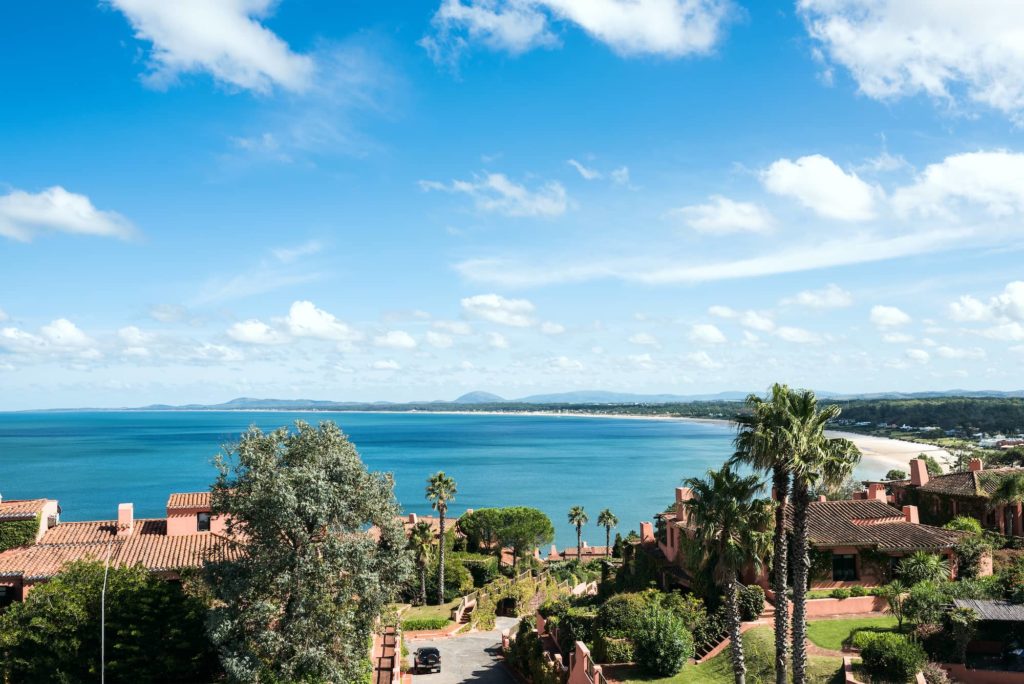
Official sources also highlighted the resilience of the local investment climate, citing a recent $500 million acquisition and upgrade of a major hotel in Punta del Este by a Brazilian corporation. Vallcorba noted that such high-capital transactions demonstrate a re-acceleration of foreign direct investment, even as private local analysts remain cautious with growth projections of approximately 1.3% for the current year.
Strategic Market Assessment
Uruguay’s proactive stance toward joining major trade blocs like the CPTPP and RCEP signals a strategic shift to diversify its economic dependencies and enhance its attractiveness to global capital. For international investors, the $500 million investment in Punta del Este underscores the continued appeal of Uruguay’s luxury real estate and hospitality sectors as a hedge against regional volatility. While the IMF growth downgrade reflects short-term global risks, the government’s pursuit of broader market access and its maintenance of legal security suggest a stable long-term outlook for high-net-worth individuals and corporate entities.
This analysis is provided for informational purposes only and does not constitute formal legal or financial advice. Investors are encouraged to consult with specialized professionals regarding their specific situation.