YOUR TAKEAWAYS
- Uruguay has achieved a near-total energy transition, now generating an astonishing 98% of its electricity from renewable sources (primarily wind, hydro, and biomass), providing the nation with energy security and price stability.
- This energy revolution is a fundamental economic driver, generating over 50,000 jobs and attracting billions in investment, which in turn strengthens the economy and underpins property appreciation.
- The country’s global reputation as a sustainable energy leader is attracting an “eco-conscious” buyer demographic (especially from Europe/North America), creating a “green premium” in real estate for properties prioritizing sustainability and energy efficiency.
In an era where global energy markets are defined by volatility, soaring prices, and geopolitical uncertainty, Uruguay has quietly established itself as a world leader in sustainability. The small South American nation has achieved a feat that most developed economies are still striving for: a near-total transition to renewable energy. According to recent data, Uruguay now generates an astonishing 98% of its electricity from renewable sources, primarily wind, hydropower, and biomass. This energy revolution is not merely an environmental statistic; it is a fundamental economic driver that is reshaping the country’s real estate sector and attracting a new wave of international investment.
The transformation of Uruguay’s energy matrix over the last decade has been rapid and deliberate. By shifting away from imported fossil fuels, the country has insulated itself from the erratic price swings of the global oil market. For homeowners and businesses alike, this translates into energy security and price stability. As highlighted by Forbes, the transition has effectively halved the cost of electricity production compared to traditional fossil fuel methods. This dramatic reduction in production costs creates a ripple effect throughout the economy, lowering overheads for businesses and stabilizing utility expenses for residents.
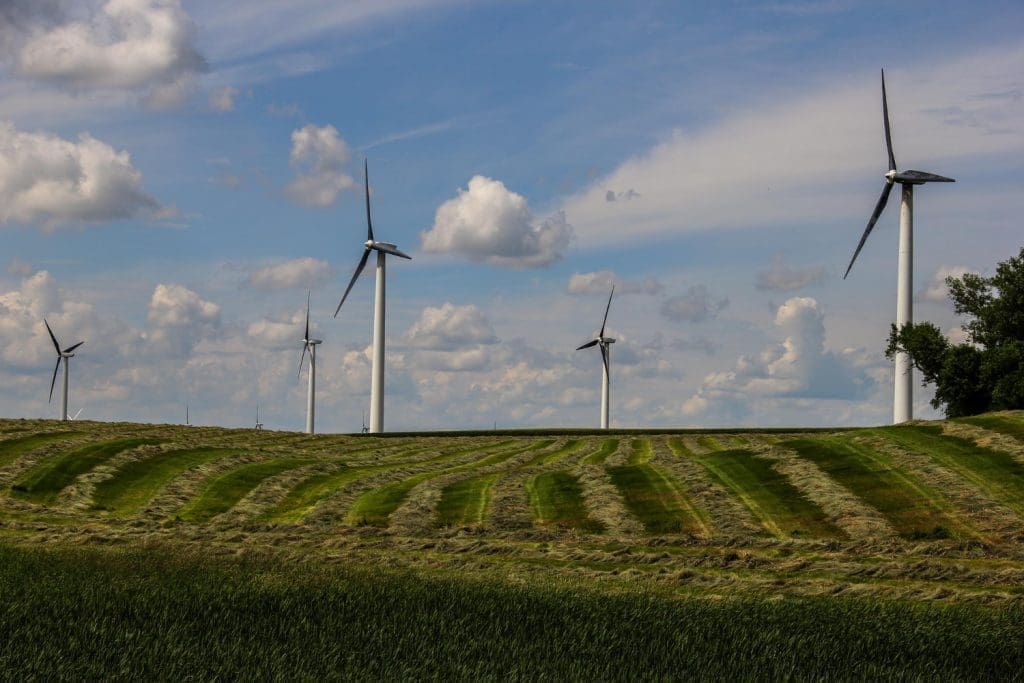
The backbone of this success lies in a diversified approach to energy generation. While wind power has become the most visible symbol of Uruguay’s green shift—visible in the sleek turbines dotting the countryside—hydropower remains a stalwart component of the grid. Biomass, utilizing agricultural byproducts, adds another layer of reliability. This “all-of-the-above” renewable strategy ensures that the grid remains robust even when wind speeds drop or rainfall decreases, providing a level of reliability that is crucial for maintaining a modern, digital economy.
Targeted Expansion: The Solar Push
Looking ahead to 2026 and beyond, the Uruguayan government is not resting on its laurels. Authorities have announced an acceleration of the energy transition, with a specific focus on solar power. New strategic plans aim to add 100 MW of solar capacity to the national grid by 2026. This targeted expansion is designed to complement existing wind and hydro resources, ensuring that solar energy can cover peak demand times during daylight hours.
For real estate developers and investors, this commitment to solar infrastructure signals a forward-thinking regulatory environment. The government is actively modernizing the distribution grid to handle this new capacity, ensuring that the infrastructure is “future-ready.” Investments in smart grid technology and transmission lines are being made to accommodate distributed generation, allowing for a more resilient and efficient power network that reaches even the most remote rural properties.
The Economic Ripple Effect
The renewable energy sector has become a massive engine for job creation and economic stimulus within Uruguay. Since the inception of this policy shift, the sector has generated over 50,000 new jobs and attracted billions of dollars in foreign and domestic investment. This influx of capital has done more than just build wind farms; it has strengthened the overall economy, increased the purchasing power of the middle class, and fostered a climate of prosperity that underpins a healthy real estate market.
This economic vitality is essential for property investors. A strong local economy reduces the risk of market stagnation and supports consistent property appreciation. When a country creates high-quality jobs in technical fields, it boosts demand for housing and commercial spaces. The renewable boom has effectively diversified Uruguay’s economy beyond its traditional agricultural roots, creating a more balanced and resilient financial ecosystem.
The “Green Premium” in Real Estate
One of the most significant trends emerging from this energy revolution is the rise of the “eco-conscious” buyer. Uruguay’s global reputation as a sustainable energy leader is attracting a specific demographic of foreign investors—particularly from Europe and North America—who prioritize environmental stewardship and sustainability in their lifestyle choices. These buyers are not just looking for a vacation home; they are seeking a sanctuary that aligns with their values.
This shift in demand is influencing property values. Real estate in regions known for their natural beauty and commitment to sustainability is seeing a “green premium.” Properties that feature energy-efficient designs, or those located in communities that embrace eco-friendly practices, are becoming increasingly desirable. As the global trend toward green construction accelerates, homes in Uruguay are well-positioned to capitalize on this market sentiment.
Quality of Life and Environmental Health
Beyond the financial metrics, the shift to 98% renewable energy has a direct and tangible impact on the quality of life in Uruguay. The dramatic reduction in greenhouse gas emissions has resulted in cleaner air and a healthier environment. For retirees and families looking to relocate, these environmental factors are often as important as financial considerations. The ability to live in a country that actively protects its natural resources adds a layer of intangible value to every property transaction.
This commitment to environmental health creates a virtuous cycle. Cleaner air and protected landscapes boost tourism and the desirability of Uruguay as a retirement destination. This, in turn, drives demand for short-term rentals, boutique hotels, and permanent residences. The government’s long-term policies and predictable regulations provide the security needed for developers to build projects that cater to this high-quality lifestyle, knowing that the state will not abruptly reverse its environmental commitments.
A Model for Global Stability
Uruguay’s success serves as a model for sustainable development on the global stage. The country has demonstrated that it is possible to grow an economy while simultaneously reducing a carbon footprint. This brand of “sustainable stability” is a powerful marketing tool. It positions Uruguay as a forward-thinking, responsible nation—attributes that are highly prized by risk-averse investors.
The predictability of the government’s energy policy is a microcosm of its broader approach to governance. Just as the state honors its contracts with renewable energy providers, it honors property rights and legal agreements with foreign buyers. This consistency is the bedrock of investor confidence. When you invest in Uruguay, you are investing in a system that plans decades in advance, rather than reacting to the next election cycle.
As the world grapples with climate change, Uruguay stands out as a safe harbor. The investments made today in the grid and solar capacity will pay dividends for decades, ensuring that the country remains competitive and livable. For the real estate sector, this means a future defined by stable utility costs, a pristine environment, and a continuous influx of buyers who value sustainability.
We encourage potential buyers and investors to consider the long-term benefits of owning property in a nation that has effectively future-proofed its energy supply.
Strategic Implications
From the perspective of Team Haverkate, the strategic implications of Uruguay’s energy matrix are profound for the foreign investor, primarily regarding the Operational Expenditure (OpEx) of property ownership. In many global markets, volatile utility costs can erode the net yield of rental properties and create unpredictable monthly budgets for retirees. Uruguay’s decoupling from fossil fuel prices creates a scenario of long-term cost stability. For our clients purchasing vacation homes or investment properties, this means that the “carrying costs” of the asset are less susceptible to the inflationary spikes seen in Europe or the US during energy crises. When analyzing the Return on Investment (ROI), the assurance of a stable, green energy supply reduces the variable risks associated with property maintenance, making the asset more attractive for long-term holding.
Furthermore, we view the “Green Brand” of Uruguay as a critical driver for future liquidity and resale value. The high-net-worth demographic that Team Haverkate serves—often hailing from Germany, the Netherlands, France, and California—places a premium on environmental health and sustainability. By investing in a jurisdiction that is globally recognized as a “Green Leader,” buyers are effectively purchasing an asset in a market that aligns with the future trajectory of global capital. As climate risks become a central component of investment due diligence, Uruguay’s infrastructure readiness and renewable dominance will likely result in property values outperforming those in nations reliant on outdated energy grids. This is not just about saving on the electric bill; it is about positioning your portfolio in a country that is ahead of the curve, ensuring that your asset remains desirable to the next generation of conscientious buyers.
Secure Your Future with Expert Guidance
While Uruguay offers a progressive and stable environment for investment, the process of purchasing real estate abroad requires meticulous preparation and local expertise. Navigating the nuances of property titles, tax laws, and residency requirements demands a professional partner who understands both the legal landscape and the specific needs of international buyers. Attempting to navigate this market without professional guidance can lead to costly oversight, even in a transparent system.
It is critical for foreign buyers to avoid the trap of Dual Agency, a common practice where an agent attempts to represent both the buyer and the seller in the same transaction. This inherently creates a conflict of interest, as the agent cannot fully advocate for the buyer’s best price and terms while simultaneously serving the seller. To ensure your investment is protected and your interests are paramount, you must work with a reputable agency that exclusively represents the buyer.
Team Haverkate is dedicated to providing this level of exclusive representation. We act solely on your behalf, ensuring a transparent, secure, and advantageous transaction. Our team is culturally fluent and linguistically diverse, ready to assist you personally in German, English, French, or Dutch. Contact Team Haverkate today to explore how you can be part of Uruguay’s sustainable future with total peace of mind.