Uruguay’s well-earned reputation as a bastion of economic and political stability in South America has made it a magnet for savvy international investors. For those looking to enter the real estate market, the country offers a compelling and multifaceted rental landscape. It presents a clear, dual-track opportunity: the steady, year-round demand in the capital, Montevideo, which delivers gross rental yields between 5% and 7%, and the high-yield, seasonal dynamism of world-renowned coastal resorts like Punta del Este.
This unique combination of security and opportunity makes Uruguay a prime territory for building a robust property portfolio. However, success for a foreign investor hinges on understanding the distinct characteristics of each market, from their core demand drivers to their specific financial obligations. With strong legal protections for foreign owners and no restrictions on purchasing property, the primary challenge is not one of access, but of strategy.
Uruguay’s Booming Rental Market: Why Foreigners Are Investing
The appeal of Uruguay’s rental market is built on a foundation of security and clarity. The U.S. Department of State and other international observers consistently highlight the country’s robust legal framework, which guarantees foreign nationals the same property rights as Uruguayan citizens. This means investors can buy, sell, and rent out properties with confidence, knowing their assets are protected by a transparent and reliable system.
This legal security is complemented by a thriving market with diverse sources of demand. In urban centers, a growing class of local professionals and an increasing expatriate community create consistent demand for long-term housing. Simultaneously, the country’s stunning coastline and reputation for safety fuel a vibrant tourism sector, driving high demand for short-term vacation rentals. This dual engine of rental demand provides investors with multiple avenues for generating returns.
Short-Term vs. Long-Term Rentals: A Strategic Choice
At the core of any rental investment strategy in Uruguay lies a fundamental choice between two distinct models: the stability of long-term rentals versus the high-yield potential of short-term vacation lets.
The Long-Term Model: Stability in the Capital
Montevideo is the epicenter of Uruguay’s long-term rental market. As the nation’s economic and administrative hub, it boasts consistent, year-round demand from a tenant base of professionals, families, and students. For investors, this translates into lower vacancy rates and predictable monthly cash flow.
Recent data from the Global Property Guide confirms that gross rental yields for apartments in key Montevideo neighborhoods hover in the 5% to 7% range. This makes the city an ideal choice for conservative investors who prioritize steady income and capital preservation over speculative high returns. The model here is one of consistency and reliability.
The Short-Term Model: High-Yield Coastal Opportunities
In stark contrast, premier coastal destinations like Punta del Este operate on a high-risk, high-reward seasonal model. As noted by TheLatinvestor, this market commands exceptionally high rental rates during the peak South American summer months of December, January, and February. Occupancy can reach near 100% during this period, generating a significant portion of the entire year’s revenue in just a few months.
However, this strategy requires meticulous financial planning. Investors must account for a much quieter off-season, where income is significantly lower. The key to success is to generate enough revenue during the high season to cover the property’s carrying costs for the entire year while still producing a handsome profit. This model is best suited for investors with a higher tolerance for risk and a focus on maximizing annual yield.
Key Rental Hotspots: Montevideo, Punta del Este, and Coastal Gems
Montevideo: The Professional Hub
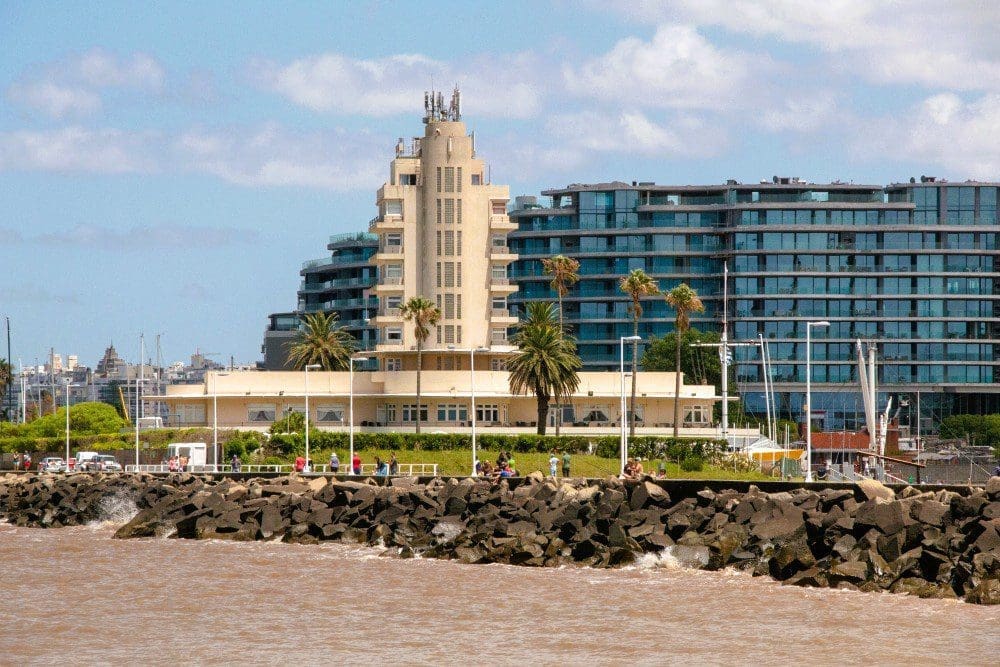
Within Montevideo, certain neighborhoods are particularly attractive for rental investments. Upscale areas like Pocitos and Punta Carretas are perennial favorites, offering a mix of modern apartments, beautiful beaches, and vibrant commercial life that appeals to both affluent locals and expatriates. These areas command higher rents and offer solid returns, making them prime targets for investors seeking quality and stability.
Punta del Este: The Glamourous Resort
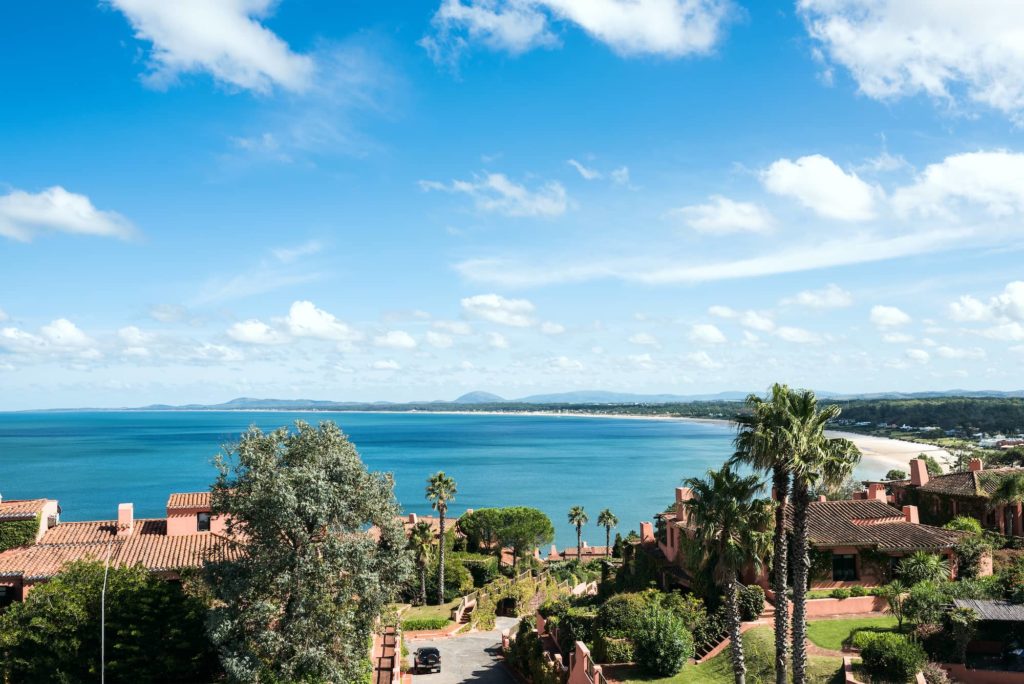
Known as the “St. Tropez of South America,” Punta del Este’s reputation precedes it. It is a playground for the international jet set, which supports its premium rental prices. The demand is not just for property, but for a luxury lifestyle, allowing landlords with high-end, well-appointed properties to achieve some of the highest nightly rates in the region during the summer peak.
Emerging Gems: The Rocha Coast and Colonia
For investors seeking higher growth potential, coastal areas beyond Punta del Este are rapidly emerging as the next frontier. The department of Rocha, with its rustic beach towns like La Paloma and La Pedrera, is attracting tourists who, according to International Living, are seeking more authentic and tranquil experiences. These markets often feature lower property entry prices, which can translate into superior rental yield percentages for early investors.
Similarly, the historic city of Colonia del Sacramento, a UNESCO World Heritage site, offers a unique proposition. Its colonial charm draws a steady stream of tourists, creating strong demand for charming and character-filled short-term rental properties.
Legal and Tax Considerations for Overseas Landlords
Uruguay’s straightforward regulatory environment is a major draw for foreign investors. The legal framework is clear: you do not need to be a resident to own or rent out property, and your rights as an owner are fully protected.
The tax implications are equally clear and must be factored into any financial projection. Foreign non-resident property owners are subject to a 12% income tax on their rental earnings. This tax, known as the IRNR (Non-Resident Income Tax), is a critical operational cost that must be included in all yield calculations to ensure an accurate forecast of net profitability. Consulting with a local tax professional is always a wise step to ensure full compliance.
Strategic Implications
Team Haverkate Analysis
A truly sophisticated investment strategy in Uruguay’s rental market involves moving beyond a simple “either/or” choice between long-term and short-term rentals. The most resilient and profitable portfolios often blend the two. We advise clients to consider a core-satellite approach: using a stable, cash-flowing apartment in a desirable Montevideo neighborhood like Pocitos as the “core” of their investment. The predictable monthly income from this property can then serve as a financial buffer, covering the carrying costs of a “satellite” property—such as a high-upside vacation villa in Punta del Este, Jose Ignacio or Rocha—during its lower-demand off-season. This portfolio approach mitigates risk while allowing the investor to capture both stable income and high-yield growth.
Furthermore, foreign investors must recognize that both rental models are active, not passive, endeavors when managed from abroad. A short-term vacation rental requires a robust on-the-ground operation for marketing, booking management, guest services, and maintenance. A long-term rental, while less intensive, still demands effective tenant screening, rent collection, and property upkeep. The success of an overseas investment is therefore critically dependent on establishing a reliable local support network. This begins with engaging an exclusive buyer’s agent who can not only source the right property but also connect the investor with trusted property managers, legal advisors, and accountants to ensure the investment is managed effectively for years to come.
Conclusion: Identifying High-Yield Properties with Your Exclusive Agent
The Uruguayan rental market offers a wealth of opportunity for foreign investors, from the reliable returns of its capital city to the exciting potential of its coastal resorts. Realizing this potential requires diligent research, careful financial planning, and a clear understanding of the local market dynamics. A successful investment is built on a foundation of knowledge and expert guidance.
Crucially, this guidance must come from a partner whose interests are perfectly aligned with yours. In a market where dual agency is common, it is essential for foreign buyers to secure an exclusive buyer’s agent. This ensures you have a dedicated advocate working solely on your behalf to identify properties with the highest potential, negotiate the best possible terms, and navigate the process with confidence.
Team Haverkate is committed to this principle of exclusive buyer representation. We function as your dedicated partner, ensuring your objectives are our sole priority. Our multilingual team is ready to provide personalized assistance in German, English, French, or Dutch, offering you the clarity and support needed to build a successful rental property portfolio in Uruguay.
To begin your journey into this promising market, contact Team Haverkate today.