YOUR TAKEAWAYS
- Uruguay is emerging as a premier destination for “Wellness Real Estate,” driven by HNW individuals seeking properties that actively contribute to health, leading to a pivot toward homes promoting longevity, stress reduction, and connection to nature.
- The most visible trend is the exploding demand and valuation of “Chacras” (country estates), where foreign buyers are curating self-sufficient ecosystems, and Biophilic Design (integrating nature) is becoming the gold standard in luxury construction.
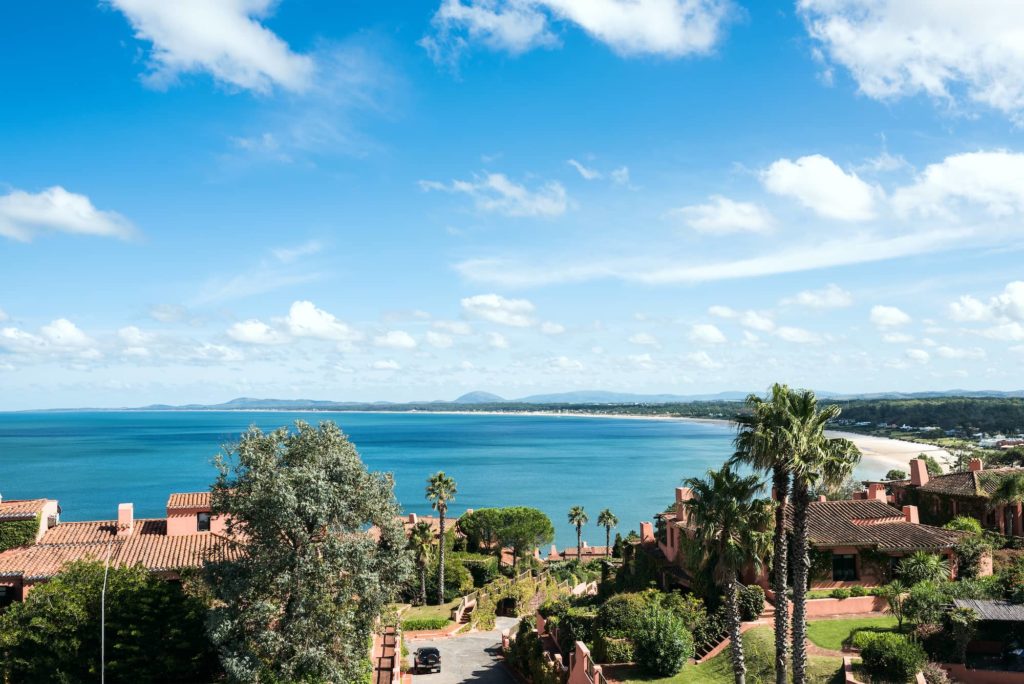
- The Maldonado region (Punta del Este/José Ignacio) is the epicenter of this movement, with major developments like SLS Punta del Este and proximity to wellness centers, while Rocha is emerging as the sustainable frontier for those seeking authentic nature and high-appreciation potential.
As the global definition of luxury continues to shift from material opulence to physical and mental well-being, Uruguay has emerged as a premier destination for a new class of investors. No longer satisfied with mere square footage or ornamental aesthetics, today’s high-net-worth individuals are seeking properties that actively contribute to their health. This burgeoning “Wellness Real Estate” sector is projected to be a primary driver of market activity in Uruguay throughout 2025 and into the 2026 forecast period.
With its low population density, pristine environment, and established infrastructure, Uruguay offers an organic foundation for this lifestyle-centric market. The convergence of post-pandemic health prioritization and a stable economic climate has created a unique window of opportunity. Analysts predict that the upcoming years will see a definitive pivot toward homes and communities designed specifically to promote longevity, stress reduction, and connection to nature.
The Emergence of “Wellness Real Estate”
The concept of Wellness Real Estate has graduated from a niche interest to a dominant global trend, and Uruguay is uniquely positioned to capitalize on this shift. The market is witnessing a surge in demand for properties that facilitate a healthy lifestyle by default rather than by design. This includes homes situated in environments with superior air quality, access to clean water, and vast open spaces.
For international buyers, the appeal lies in Uruguay’s natural advantages. The country’s coastline remains largely free of the industrial pollution that plagues other regions, offering a sanctuary for those prioritizing respiratory health and environmental purity. This organic foundation is proving to be a decisive factor for investors comparing South American markets.
Real estate developers are responding to this demand by integrating wellness into the very fabric of new projects. It is no longer sufficient to simply offer a swimming pool; the new standard requires holistic environments that support physical activity and mental clarity. This trend is reshaping the architectural landscape, prioritizing light, air flow, and non-toxic materials.
The Renaissance of the “Chacra”
Perhaps the most visible manifestation of this trend is the exploding demand for “Chacras,” or traditional country estates. These properties have evolved from simple rural holdings into the ultimate status symbol for the wellness-focused buyer. They offer a level of privacy and autonomy that is increasingly difficult to find in North America or Europe.
Owners of these estates are leveraging the land to create self-sufficient ecosystems. It is becoming common for foreign buyers to establish extensive organic gardens, fruit orchards, and equestrian facilities on their grounds. The “Chacra” lifestyle allows for a direct connection to the food source, a critical component of the modern wellness narrative.
This surge in rural interest is not merely about isolation; it is about curating a personal sanctuary. The ability to disconnect from the digital noise of the modern world and reconnect with the rhythms of nature is driving valuations in the rural sector. For many, these estates represent a tangible hedge against global volatility, offering both physical safety and mental peace.
Eco-Friendly Architecture and Biophilic Design
Looking ahead to the 2026 horizon, sustainability has moved from a “nice-to-have” feature to a non-negotiable requirement for premium valuation. There is a strong, upward trend in the request for eco-friendly homes that minimize environmental impact while maximizing comfort. This shift is directly influencing construction standards across the country.
Biophilic design—architecture that seeks to connect building occupants more closely to nature—is becoming the gold standard in Uruguayan luxury developments. This involves the use of sustainable, locally sourced materials and layouts that blur the lines between indoor and outdoor living spaces. Large glass facades that frame ocean or forest views are being paired with natural stone and wood to create calming, restorative interiors.
Investors are increasingly educated on the long-term benefits of energy efficiency. Properties equipped with solar energy systems, rainwater harvesting, and high-grade insulation are commanding attention. These features are viewed not just as environmental contributions, but as indicators of a high-quality, future-proof asset.
Luxury Developments: The SLS Punta del Este
The trajectory of the market is exemplified by major capital investments such as the SLS Punta del Este. Set to open its doors before 2026, this development illustrates the institutional confidence in the wellness sector. The project is explicitly designed to cater to the high-end, health-conscious consumer.
The amenities planned for such developments go far beyond standard offerings. Comprehensive spas, dedicated meditation rooms, and open-air training spaces are central to the design philosophy. These projects acknowledge that for the modern luxury buyer, health is the ultimate wealth.
The arrival of international hospitality brands with a focus on wellness signals a maturation of the market. It brings a level of service and infrastructure that appeals to buyers accustomed to global standards of luxury. This creates a ripple effect, raising the bar for surrounding developments and increasing the overall value proposition of the region.
Punta del Este: The Epicenter of Well-Being
The Maldonado region, specifically Punta del Este and its sophisticated neighbor José Ignacio, has solidified its reputation as the hub of this movement. This area is already home to a dense concentration of yoga retreats, organic markets, and high-end spas, creating a supportive ecosystem for a healthy lifestyle.
Facilities like the Alive Health Spa Resort have set a precedent for medical and aesthetic tourism in the region. For real estate investors, proximity to these centers of excellence is a key value driver. Properties in these zones benefit from the “halo effect” of the surrounding wellness infrastructure.
The social fabric of Punta del Este is also evolving. The community is increasingly defined by outdoor activity, from surfing and kite-boarding to cycling and tennis. This active culture attracts a demographic of buyers who are energetic, health-focused, and willing to pay a premium for a location that supports their daily regime.
Rocha: The Sustainable Frontier
While Punta del Este offers polished luxury, the department of Rocha is attracting a different profile of wellness investor. Known for its rugged, undeveloped landscapes and protected biospheres, Rocha is emerging as the destination for those seeking a raw, authentic connection to nature.
This region is becoming a hotspot for sustainable development projects that prioritize low-density and high-preservation standards. Investors looking toward 2026 see Rocha as a growth market, where the value lies in the scarcity of development rather than the abundance of it.
The appeal here is tranquility and untouched beauty. For buyers whose definition of wellness involves silence, stargazing, and empty beaches, Rocha offers an unrivaled inventory. It represents the future of eco-tourism and sustainable living in Uruguay.
Carmelo’s Riverfront Serenity
Moving away from the Atlantic coast, the region of Carmelo offers a distinct flavor of wellness centered around the Rio de la Plata. Famous for its vineyards and river delta topography, Carmelo provides a secluded, introspective luxury experience.
High-end properties in this area, such as those near the Carmelo Resort & Spa, attract buyers seeking a slower pace of life. The combination of viticulture, river boating, and wooded landscapes creates a unique micro-market. It is an area favored by those who find wellness in the quiet appreciation of terroir and tradition.
Tourism as a Catalyst for 2026
The Uruguayan government’s strategic push to diversify tourism is expected to have a direct impact on the real estate market in 2026. By promoting sustainable and rural tourism, the state is effectively marketing the very lifestyle that real estate investors are buying.
A record-breaking summer season is forecast for 2026, driven by visitors seeking safe, nature-oriented destinations. This influx of tourists is predicted to drive high demand for rental properties, particularly those with wellness amenities. Investors are taking note of the potential for robust rental yields during peak seasons.
The Financial Premium of Health
Data suggests that properties with strong wellness attributes consistently command premium prices. Features such as ocean views, private green spaces, proximity to nature trails, and dedicated home gyms are no longer just selling points; they are value multipliers.
This “wellness premium” provides a layer of security for investors. As the global demand for healthy living environments continues to rise, assets that offer these features are likely to see better capital appreciation than their conventional counterparts. It is a sound investment strategy that aligns financial goals with lifestyle desires.
Lifestyle as the Primary Asset
Ultimately, the driving force behind this market shift is a reevaluation of what constitutes a “good life.” For foreign buyers, Uruguay’s reputation for safety, stability, and tranquility is a tangible asset. The ability to live in a community where personal security is high and environmental stress is low is the ultimate luxury.
If you know of a new eco-friendly development or a hidden wellness retreat that should be on our radar, please contact our editorial team with your tips.
Strategic Implications
The data indicates a fundamental shift in how real estate assets are being evaluated in the Southern Cone. For investors, the “wellness” label is no longer a marketing gimmick but a hard metric of asset quality. We are observing that properties lacking in biophilic elements—natural light, air quality control, or green space—are sitting on the market longer, while those that offer a “turnkey” healthy lifestyle are seeing competitive bidding. This bifurcation of the market suggests that capital allocation should be directed toward assets that can prove their health credentials. In 2026, the most liquid assets will be those that serve dual purposes: functioning as a financial store of value and as a physical sanctuary.
From a quality of life and infrastructure perspective, the disparity between the polished corridors of Punta del Este and the emerging frontiers of Rocha or Carmelo offers distinct strategic paths. Investors seeking immediate rental yield and liquidity should focus on the established wellness hubs in Maldonado, where infrastructure for health services, high-speed internet, and international schooling is already mature. Conversely, those looking for higher capital appreciation potential should consider the “path of progress” in Rocha, where the entry price is lower, and the value proposition is tied to the scarcity of pristine nature. The government’s tourism push for 2026 validates both strategies, but the timeline for returns will differ significantly between the developed hub and the developing frontier.
Navigating the Future of Uruguayan Real Estate
The forecast for 2026 makes it clear that Uruguay is transitioning from a seasonal retreat to a primary destination for global wellness investment. However, navigating this booming market requires more than just an appreciation for nature; it demands rigorous due diligence. The legal and financial intricacies of purchasing property in a foreign jurisdiction can be complex, and the consequences of poor preparation can be costly. It is imperative that foreign buyers engage with competent legal and financial advisors before entering the market to ensure their investment is secure and compliant with local regulations.
Crucially, international investors must be wary of “Dual Agency,” a common practice where an agent represents both the buyer and the seller, creating an inherent conflict of interest. To protect your interests and ensure you are securing the best possible price and terms, it is essential to work with a reputable agency that exclusively represents you, the buyer. Team Haverkate stands apart in the Uruguayan market by offering exclusive buyer representation, ensuring that our loyalty lies solely with you.
We invite you to contact Team Haverkate for personalized guidance on navigating the wellness real estate market. Whether you are looking for a high-yield rental in Punta del Este or a private chacra in the countryside, our team is ready to assist you. We proudly offer personal service in German, English, French, and Dutch, bridging the gap between your investment goals and the reality of the Uruguayan market.