Key Points
- The ‘collected home’ approach prioritises personal narrative over visual uniformity, mixing vintage finds, family heirlooms, and contemporary pieces to create rooms that feel lived-in and unique.
- Designers are deliberately introducing ‘friction’ by contrasting eras, textures, and scales—antique alongside modern, smooth against rough—to generate energy and character.
- Imperfection has become a marker of luxury: natural veining in stone, irregularities in handmade ceramics, and aged timber are sought after for their authenticity and story.
The New Warmth: How Personal Curation is Reshaping Coastal Interiors
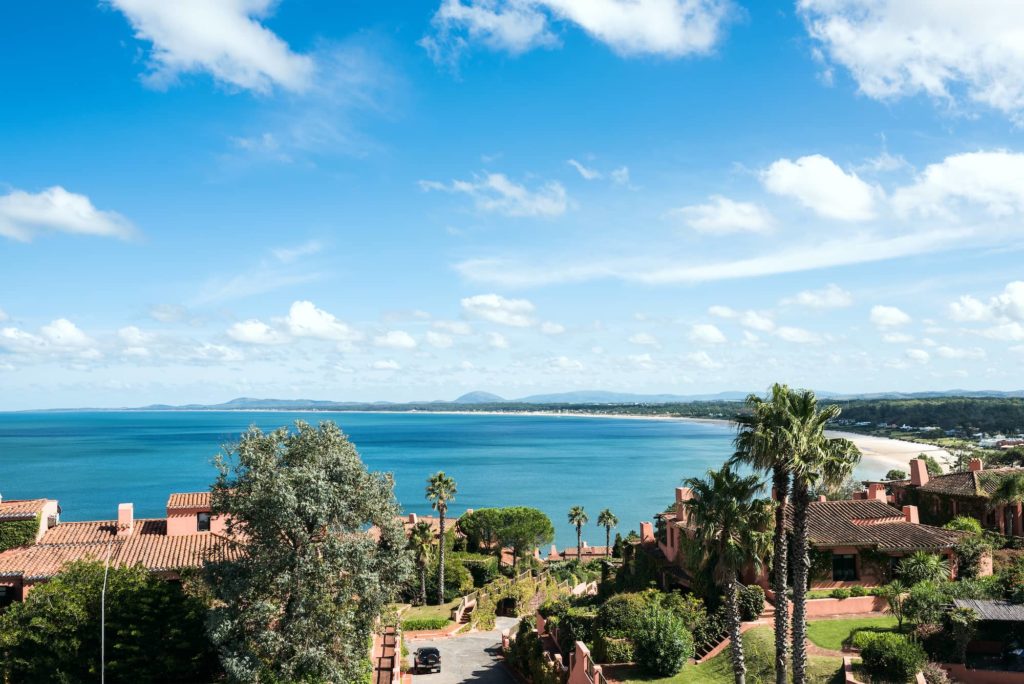
Luxury in the twenty-first century is no longer about faultless surfaces and identical layouts. The most compelling homes today tell stories through weathered timber, mismatched ceramics, and the subtle tension between a heirloom armoire and a brutalist coffee table. This shift—from showroom perfection to biographical richness—has a natural resonance along Uruguay’s coastline, where the raw beauty of the Atlantic meets a culture of understated authenticity. In places like José Ignacio, a property’s character often comes not from its finishes alone but from the layers of life it can accommodate.
Table of Contents
The Principles of the Collected Interior: Imperfection, Contrast, and Narrative
At its heart, this design philosophy rejects the idea of a home as a single purchased look. Instead, interiors are assembled slowly—a vintage leather club chair beside a custom linen sofa, a bleached oak table topped with a stoneware vessel from a local artisan. The guiding principle is contrast: smooth against rough, matte next to high-shine, ornate within minimal. One technique designers call ‘friction-maxxing’ deliberately pairs opposing styles—an antique chandelier in a starkly modern room, or a sculptural wooden bench against a slouchy wool rug—to create visual energy.
Material choices favour authenticity over consistency. Natural stone with visible veining, handmade ceramics with subtle irregularities, and timber that shows age are prized precisely because they are not perfect. A designer might specify a limestone floor made to look reclaimed, matching the heritage of an old farmhouse, or mix a glossy modern cabinet with a weather-beaten sideboard. The palette moves beyond neutrals: deep greens, earthy terracottas, burgundy, and rust replace the uniform greys of the past decade.
As House and Garden South Africa notes, this approach demands that homes support real life: generous soft furnishings, reading nooks, and kitchens that become social hubs reflect habits rather than photo-ready arrangements. In coastal Uruguay, where indoor-outdoor living is central, these principles translate naturally: a veranda furnished with a mix of woven chairs and a monumental stone table invites lingering, while the interior layers of linen, wool, and leather age gracefully with salt air and sun.
Team Haverkate’s Take: Why the ‘Collected Home’ Holds Value for Uruguay’s Coastal Buyers
From our vantage point advising international buyers, we observe a growing demand for properties that offer not just square metres but the potential for narrative. The data supports this: according to a 2025 luxury outlook report cited by design platform 1stDibs, demand for mixed-provenance vintage-contemporary interiors increased 34% year-over-year among high-net-worth buyers. Meanwhile, Deloitte’s 2024 Global Powers of Luxury Goods report found that 63% of affluent consumers under 45 cite visible craft and maker identity as key purchase motivators. These figures indicate a design-literate clientele that values authenticity over uniformity.
In our experience, the Uruguayan coastal market—particularly José Ignacio—is uniquely suited to this sensibility. The region’s architectural vernacular, with its rustic stone, weathered timber, and whitewashed walls, provides an ideal canvas for collected interiors. New builds can integrate reclaimed materials and bespoke joinery; existing homes can be layered with vintage finds from local markets and antique shops. Unlike markets where the formula of white walls and grey floors dominates, José Ignacio’s relaxed luxury allows for a more personal, evolving aesthetic that resonates with buyers seeking a genuine connection to place.
We also caution that this trend is not about careless accumulation. The ‘collected look’ requires restraint and curation; it is the difference between clutter and character. For investors, the key is to find a property with good bones—original architectural details, generous proportions, and natural light—that can be layered over time. A home that feels ‘collected’ rather than ‘decorated’ tends to hold its appeal longer, as it reflects the owner’s story rather than a transient style.
Embracing the ‘Uncurated’: A Vision for Timeless Coastal Properties
The most enduring homes are those that feel like they have evolved. The collected interior philosophy, with its embrace of imperfection, contrast, and personal narrative—a concept explored as ‘friction-maxxing’ by Homes & Gardens—offers a powerful antidote to the fast-fashion approach to design. In Uruguay’s coastal setting, this translates to spaces that breathe—where the patina of use is welcome, and where each object, from a leather club chair to a hand-thrown ceramic bowl, contributes to a larger story of place and personality.
This is not a rejection of luxury but its redefinition: luxury as authenticity, comfort, and the unhurried accumulation of objects with meaning. For the international buyer looking at properties in José Ignacio, the opportunity lies not in a turnkey aesthetic but in a canvas that can be filled with life.
International investors should be aware that dual agency—a single real estate agent representing both the buyer and the seller in a transaction—creates an inherent conflict of interest. In Uruguay, this practice can lead to inflated valuations or hidden liabilities going undisclosed, as the agent’s duty is split between both parties. To protect your investment, always insist on exclusive buyer representation from a firm that works solely for your interests.
Team Haverkate has built its reputation on guiding discerning international buyers through Uruguay’s unique market, from source to closing. Whether you are seeking a minimalist retreat or a foundation for a collected interior, our team provides the local knowledge and strategic counsel to secure a property that aligns with your vision of coastal living.
Frequently Asked Questions
What is a ‘collected interior’ design philosophy?
A collected interior is designed slowly over time, mixing vintage and new pieces with contrasting textures and styles. It prioritizes imperfection, personal narrative, and authenticity over a single purchased look.
How does the ‘collected home’ trend affect property value in Uruguay?
According to Team Haverkate, homes that feel ‘collected’ rather than ‘decorated’ tend to hold their appeal longer because they reflect the owner’s story. Demand for mixed-provenance interiors increased 34% year-over-year among high-net-worth buyers, indicating a design-literate clientele that values authenticity.
Why is José Ignacio particularly suited for collected interiors?
José Ignacio’s architectural vernacular—rustic stone, weathered timber, whitewashed walls—provides an ideal canvas. The relaxed luxury allows for a personal, evolving aesthetic. New builds can integrate reclaimed materials, and existing homes can be layered with vintage finds from local markets.
What are the key principles of the collected interior style?
The guiding principles are contrast (smooth vs. rough, matte vs. high-shine, ornate vs. minimal), material authenticity (natural stone, handmade ceramics, aged timber), and a palette beyond neutrals (deep greens, terracottas, burgundy). The approach also demands homes support real life with generous soft furnishings and social kitchens.
How can I create a collected look without it feeling cluttered?
The ‘collected look’ requires restraint and curation. It is the difference between clutter and character. Start with a property with good bones—original details, generous proportions, natural light—and layer pieces slowly, ensuring each object contributes to the story.
What should international buyers consider when purchasing a coastal property in Uruguay?
Beyond design, buyers should be aware of dual agency conflicts. In Uruguay, a single agent representing both buyer and seller can lead to inflated valuations or hidden liabilities. Always insist on exclusive buyer representation from a firm working solely for your interests.