YOUR TAKEAWAYS
- A 25-Year Market Breakout: Farmland prices have hit a nominal peak of $4,070 per hectare, signaling Uruguay’s transition from a “wealth preservation” market to an institutional “growth” market.
- The “Green Premium”: 2025 marks the first cycle where carbon sequestration potential and sustainable certifications (FSC/Sustainable Beef) are adding direct value to land appraisals.
- Logistics as a Value Driver: The completion of the Central Railway and road upgrades in 2026 is projected to drive a 3-5% annual value increase in the interior by drastically lowering freight costs.
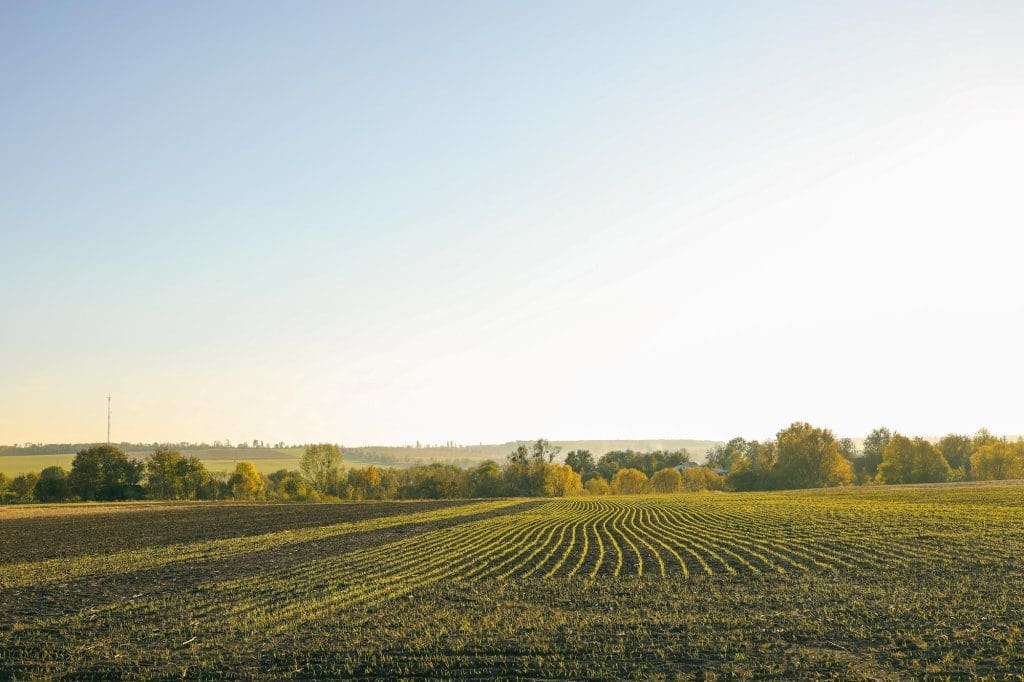
Uruguay’s agricultural sector has officially transitioned from a regional recovery play into a mature, institutional-grade asset class. According to the latest data from the Ministry of Agriculture’s Statistics Division (MGAP-DIEA), the average price for farmland transactions reached $4,070 per hectare in November 2025. This figure marks the highest nominal value recorded since the year 2000, representing a definitive breakout from the $3,300–$3,800 price plateau that characterized the market for much of the previous decade.
For international investors, this price appreciation serves as a “proof of concept.” While the previous ten years were defined by wealth preservation and low-volatility holdings, the current trajectory suggests a shift toward active growth. The market is being propelled by a combination of high global commodity demand, massive infrastructure improvements, and a significant influx of institutional capital. This is no longer a market defined by the small-scale family farm; it is a landscape increasingly dominated by professional management and sophisticated yield structures.
Regional variations remain stark, reflecting soil productivity and logistical advantages. In the departments of Soriano and Colonia—long considered the agricultural heartland of the country—premium land is frequently trading between $7,500 and $10,500 per hectare. These areas benefit from exceptionally high CONEAT (soil productivity) scores and proximity to the Nueva Palmira port, the nation’s primary gateway for grain exports. As logistical efficiencies become a primary driver of ROI, the premium for land in these western corridors continues to widen compared to the national average.
The “Forestry Floor” and Institutional Dominance
One of the most powerful structural shifts in the Uruguayan interior has been the “forestry effect.” With the UPM 2 pulp mill now in full operation, demand for timber-producing land in the center and north—specifically in Tacuarembó, Rivera, and Durazno—has reached a fever pitch. This has created what local analysts call a “forestry floor” price, effectively raising the minimum valuation for historically undervalued regions. It is becoming increasingly difficult to find “cheap” land anywhere in the country as the competition for forestry-suitable acreage intensifies.
This competition is being fueled by a notable change in the buyer profile. 2025 saw a surge in transactions involving US-based Timberland Investment Management Organizations (TIMOs) and European “Green Funds.” These institutional players are not looking for speculative flips; they are seeking stable 5-7% long-term yields in USD. For European pension funds, in particular, the legal security of Uruguay combined with the biological growth of timber offers a perfect hedge against the volatility of traditional financial markets. Large-scale tracts of 2,000 hectares or more are becoming increasingly rare, often commanding a “bulk premium” because of their suitability for institutional-scale operations.
The Rise of Carbon Credits and Integrated Systems
The year 2025 has also marked the debut of “Carbon-Ready” land as a distinct appraisal category. For the first time, transactions are pricing in the “Carbon Sequestration Potential” of a property. Land featuring native forests or modern timber plantations is being appraised with a “green premium” of $200 to $400 per hectare. This adds an entirely new revenue stream—carbon credits—that simply did not exist in the previous 25-year cycle, attracting ESG-conscious capital from across the globe.
Simultaneously, the most profitable operations are moving away from monocultures toward “Crop-Livestock-Forestry” (ILPF) integrated systems. By utilizing the same land for cattle grazing and timber—a practice known as silvopasture—operators are increasing their per-hectare ROI by an estimated 15-20%. This “circular economy” approach is particularly attractive to German and Dutch investors, as it mitigates the risk of a downturn in any single commodity cycle (beef, soy, or timber) while maximizing the biological utility of the land.
2026 Outlook: Infrastructure as a Value Multiplier
Looking toward 2026, the primary tailwinds for land prices are logistical. The completion of the Central Railway (Ferrocarril Central) and several “Path to the Future” road upgrades will significantly lower freight costs for inland farms. Properties in Florida and Durazno are expected to be the primary beneficiaries, as the cost of transporting grain and cattle to Montevideo and Nueva Palmira drops. Historical data suggests a direct correlation between these logistical improvements and a 3-5% annual increase in land value, independent of commodity price fluctuations.
Furthermore, the rental market remains incredibly tight. With approximately 70% of the nation’s soybeans grown on rented land, lease rates—often calculated in “kilograms of meat” or “tons of soy” per hectare—are at 5-year highs. For the “buy and lease back” investor, this ensures immediate, robust cash flow in a hard-currency environment, making Uruguayan land one of the most reliable inflation hedges available in the 2026 global economy.
Strategic Implications: The Interior is the New Coast
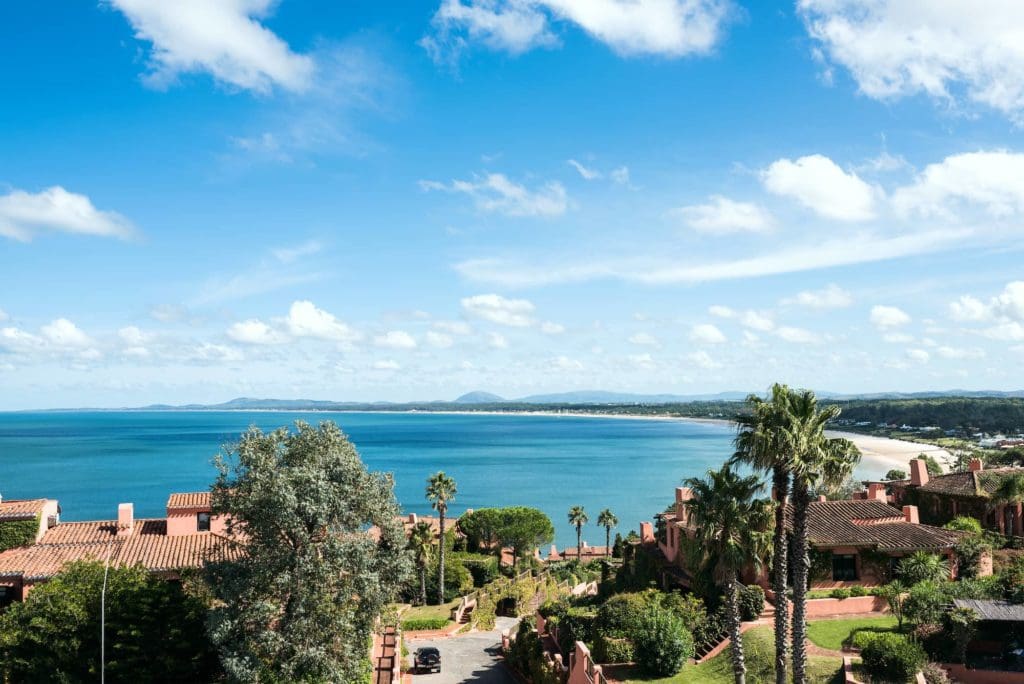
The “Paysandú Pivot” and the “Forestry Floor” are signals that the era of bargain-hunting in Uruguay is over, replaced by an era of sophisticated yield management. For our clients, the most important takeaway is that the interior of the country is now matching—and in some cases exceeding—the capital appreciation of coastal real estate. While Punta del Este remains the crown jewel of lifestyle investment, the agricultural interior is where institutional “smart money” is currently being deployed. The $4,070 per hectare average is not a ceiling; it is a new psychological floor that reflects Uruguay’s graduation to a top-tier global agricultural hub.
We are specifically advising our German and European “Mittelstand” families to focus on Integrated Assets (ILPF). These systems provide the diversification necessary to weather global economic shifts while meeting the strict sustainability requirements of the EU. For our US institutional leads, the focus should be on “Carbon-Ready” tracts and logistically superior land along the new railway corridor. In 2026, the goal is not to find a bargain, but to secure assets that are “future-proofed” by logistical efficiency and sustainable certification (FSC or Sustainable Beef). In a world of high USD inflation, Uruguayan land remains the ultimate hard asset—uncorrelated with stock markets and protected by the strongest legal security in Latin America.
Final Analysis: Securing Authority in a Mature Market
As land becomes an institutional asset, the complexity of acquisition increases. Navigating soil productivity reports (CONEAT), verifying water rights, and ensuring that a property can meet international sustainability certifications requires a level of due diligence that exceeds standard real estate practices. In this high-stakes environment, the risk of “Dual Agency“—where an agent attempts to represent the interests of both the seller and the buyer—can lead to catastrophic overpayment or the acquisition of “stranded assets” that cannot meet future ESG standards.
Team Haverkate operates as your Exclusive Buyer’s Agent. Our loyalty is not to the landowner or the developer, but to you, the investor. We provide the objective analysis required to distinguish between a productive asset and a speculative trap. As the market moves toward $5,000 per hectare and beyond, having an advocate who understands the intersection of agriculture, logistics, and law is the only way to ensure a successful entry into the Uruguayan market.
The window for early-mover advantage in the “Green Cycle” is closing. To secure your position in Uruguay’s agricultural boom, contact us for a consultation in English, German, French, or Dutch.