
Executive Summary: 2026 Market Snapshot
- Vibe: Bohemian-chic, analog luxury, and highly curated tranquility. The ultimate “anti-resort.”
- Key Appeal: Award-winning vineyards, a thriving contemporary art scene, open-fire gastronomy, and absolute privacy.
- Peak Season: November 15th – March 31st (Driven strongly by the grape harvest and international art festivals).
- Distance to Airport: 70 KM from Laguna del Sauce (PDP) / ~60 minutes via Route 9.
- Key Real Estate Investment Point: Strict Uruguayan rural zoning laws create an artificial supply cap. The mandatory 5-hectare minimum for Chacras (estates) makes this a highly stable, legally protected, low-density investment zone.
The Tuscany of South America — A Rustic-Luxe Epicenter of Wine, Art, and Slow Living
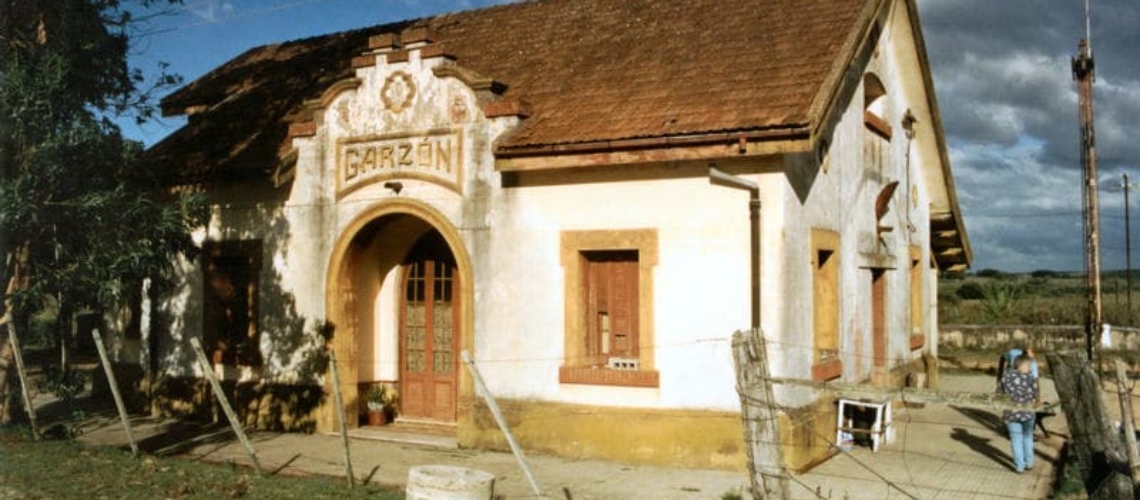
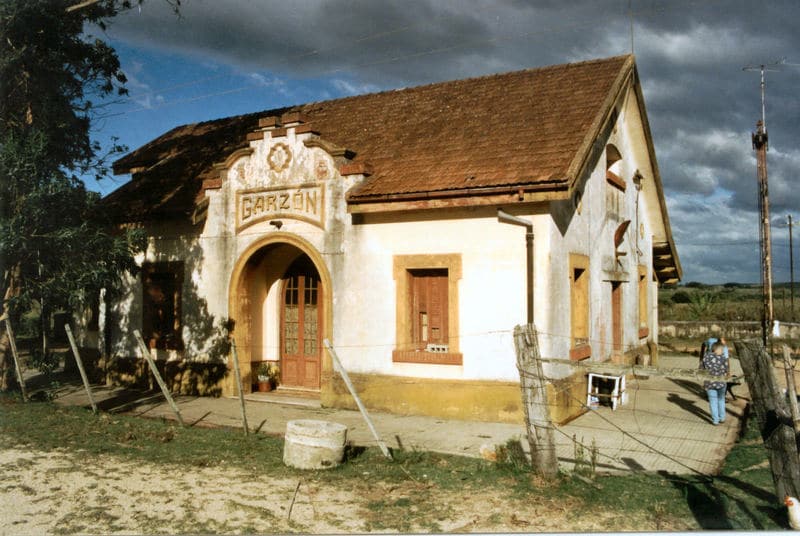
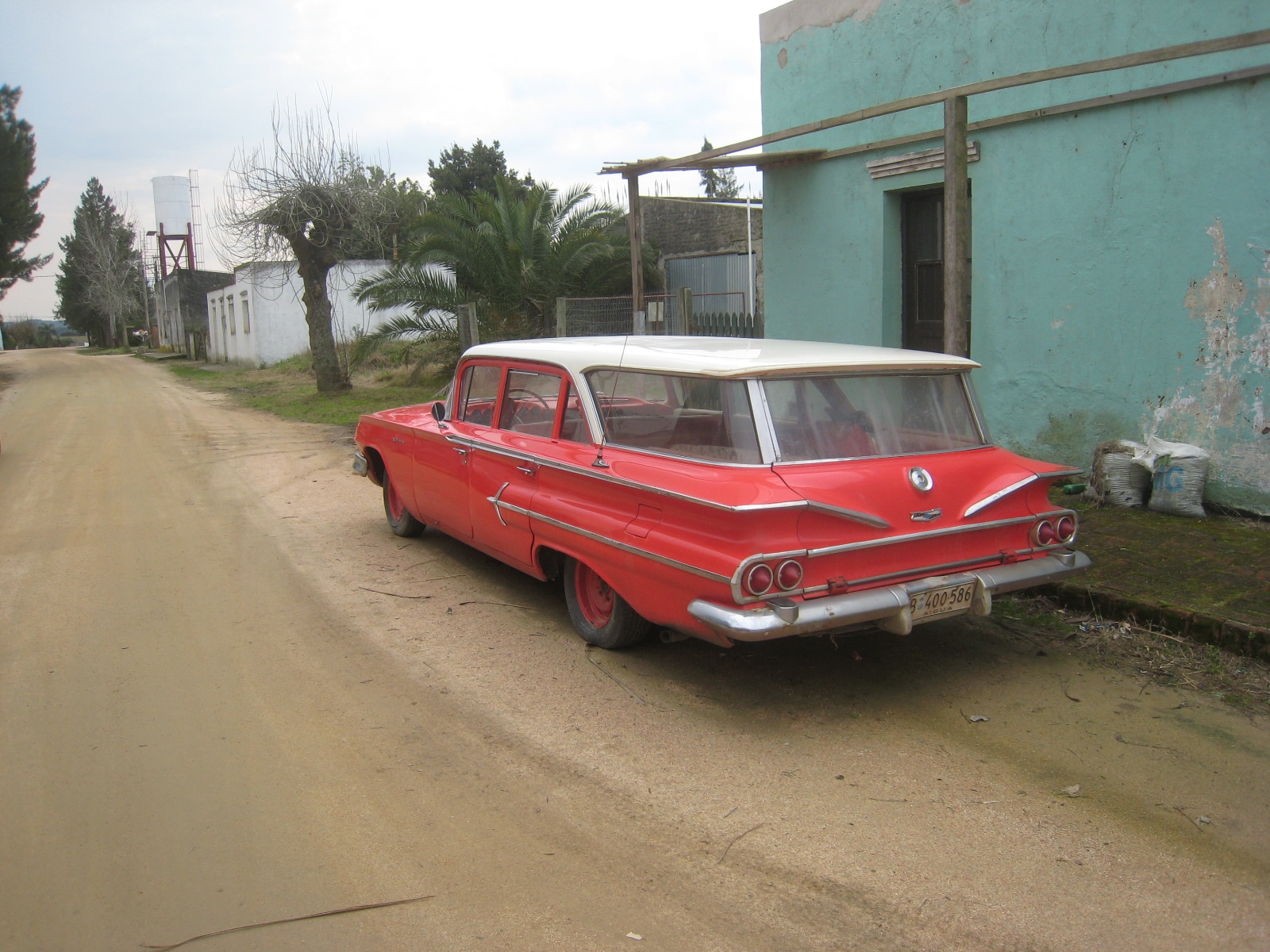
Pueblo Garzon, a small village located roughly 40 miles northeast of the high-rise energy of Punta Del Este, was nearly abandoned following the closure of its train station half a century ago. Today, in 2026, it operates as the ultimate “anti-resort” for the global elite. It specifically attracts ultra-high-net-worth individuals—notably tech executives from the US and European generational wealth—who eagerly trade coastal skyscrapers for majestic horses, open-fire cooking, and endlessly rolling vineyards.
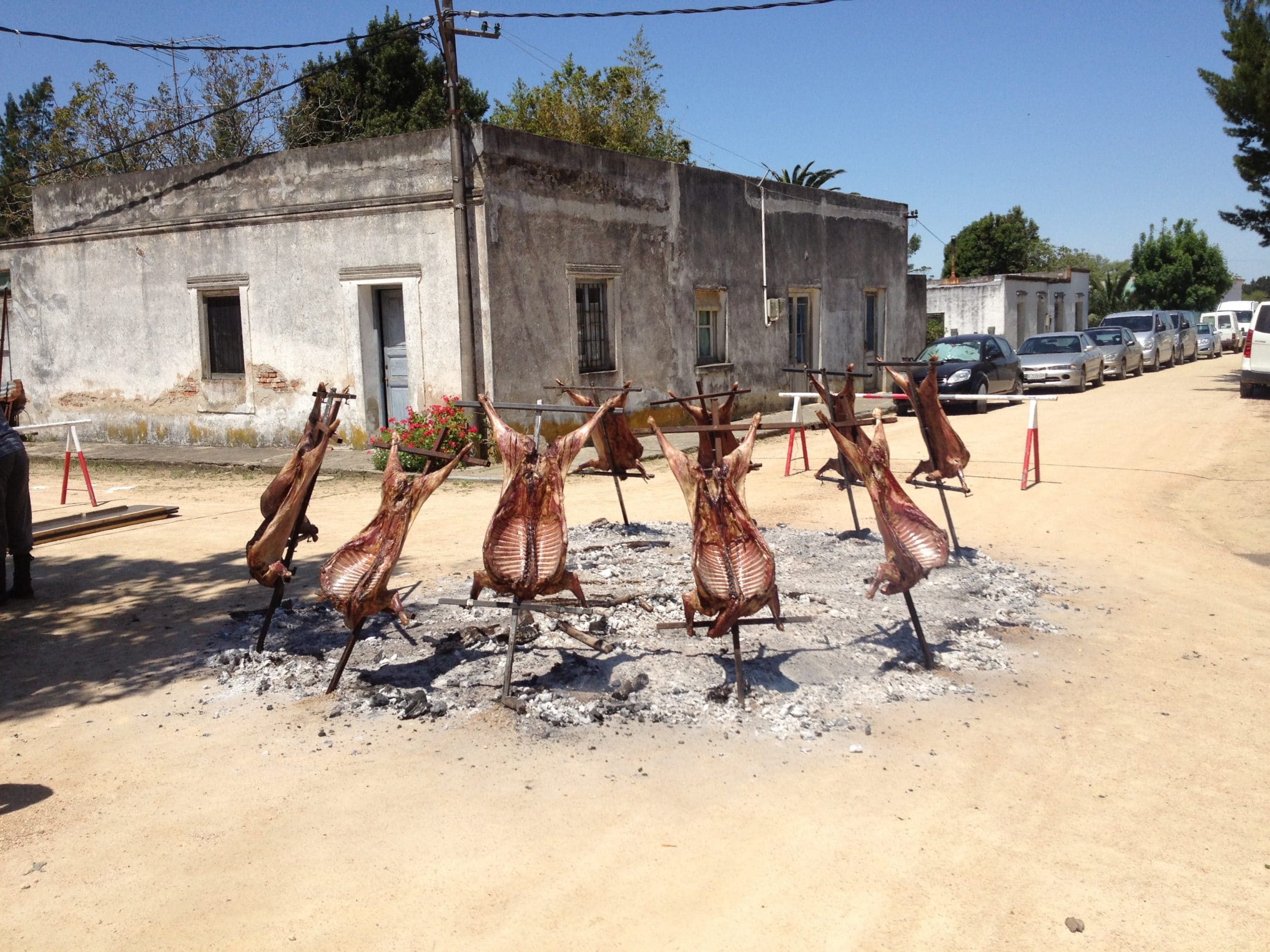
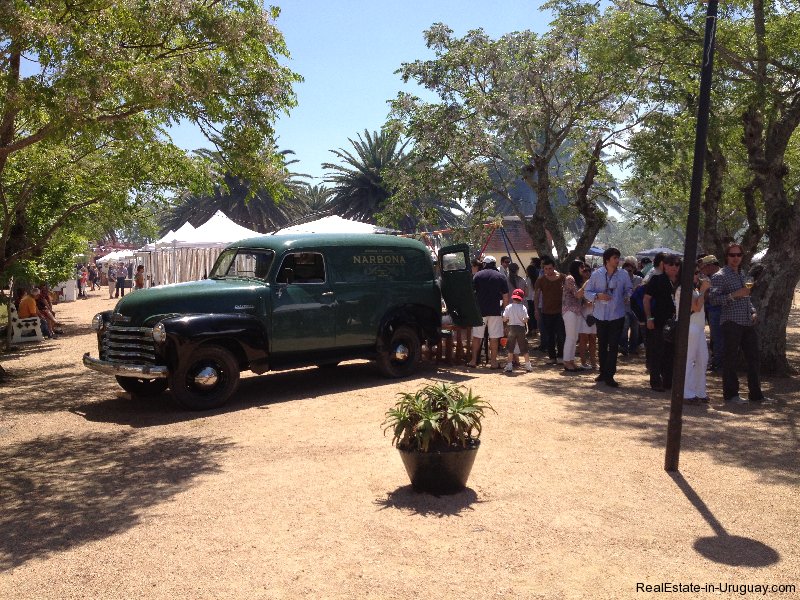
The personality of Garzón is defined as “analog luxury.” It is a place where dirt roads and free-roaming dogs coexist seamlessly with multi-million dollar eco-estates and world-class contemporary art galleries. Featuring state-of-the-art agricultural technology, Bodega Garzon produces exceptional, globally recognized wines and olive oil. Notably, Agroland was recently honored with two Gold Prestige medals in the prestigious international olive oil competition held in Mendoza Olivinus. With its whitewashed church, repurposed train station, vibrant main square, and wandering wildlife, Pueblo Garzon resembles a picturesque town straight out of a theatrical production. This burgeoning wine, art, and culinary movement has elevated Pueblo Garzon into a sought-after global destination, situated just a short drive from the stylish Jose Ignacio.


History & Value Milestones
Founded in 1892 by merchant Fermín de León, Pueblo Garzon once thrived as the royal road passed through, frequented by passengers heading to the governor’s property. The town experienced a period of significant growth between 1930 and 1950, peaking at 2,000 residents thanks to the railroad and a bustling mill that fueled industrial activity from 1920. However, with the decline of these two pillars, the “Ghost Town Era” began, and Pueblo Garzon faced near abandonment until the year 2000.
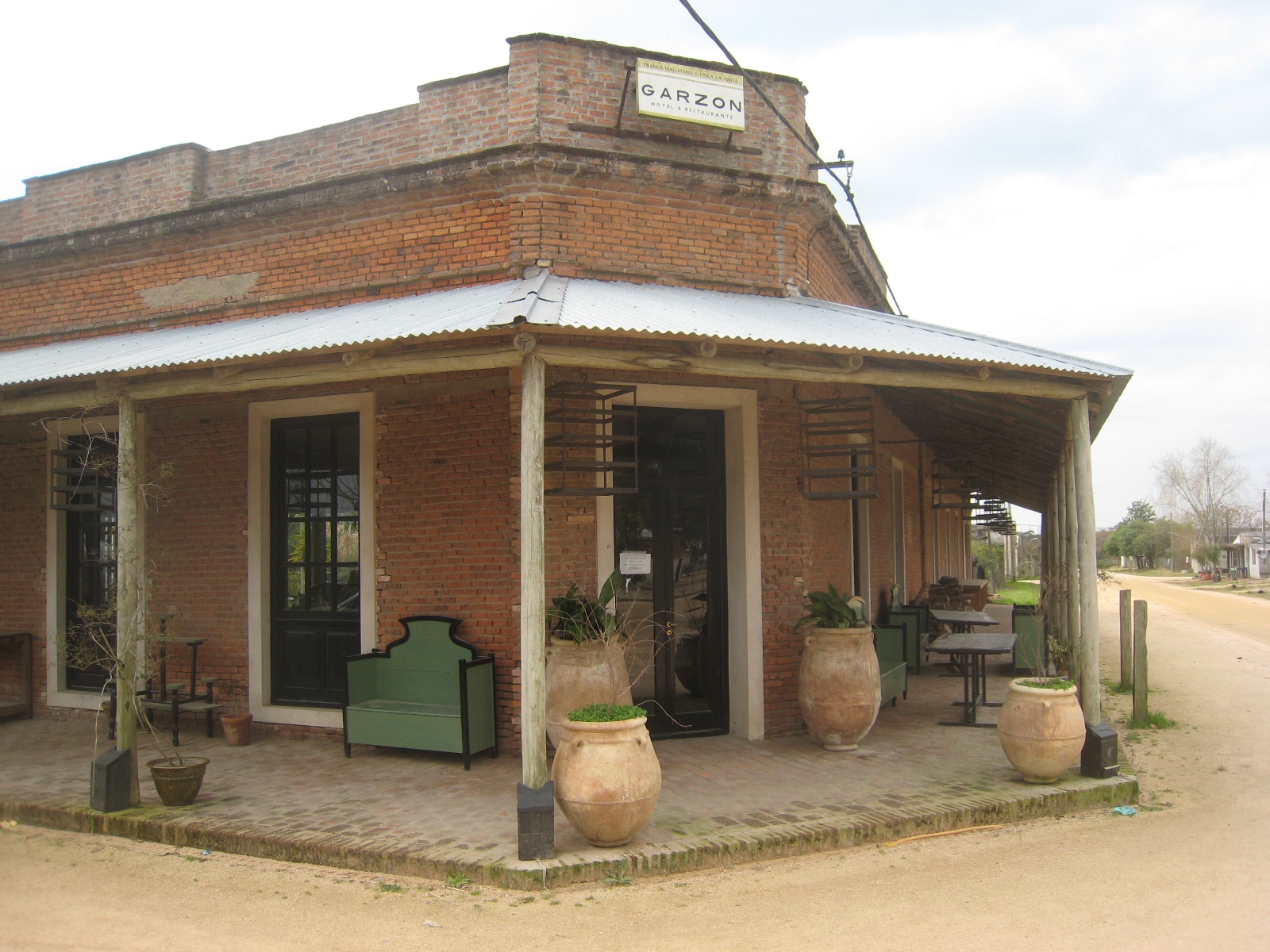
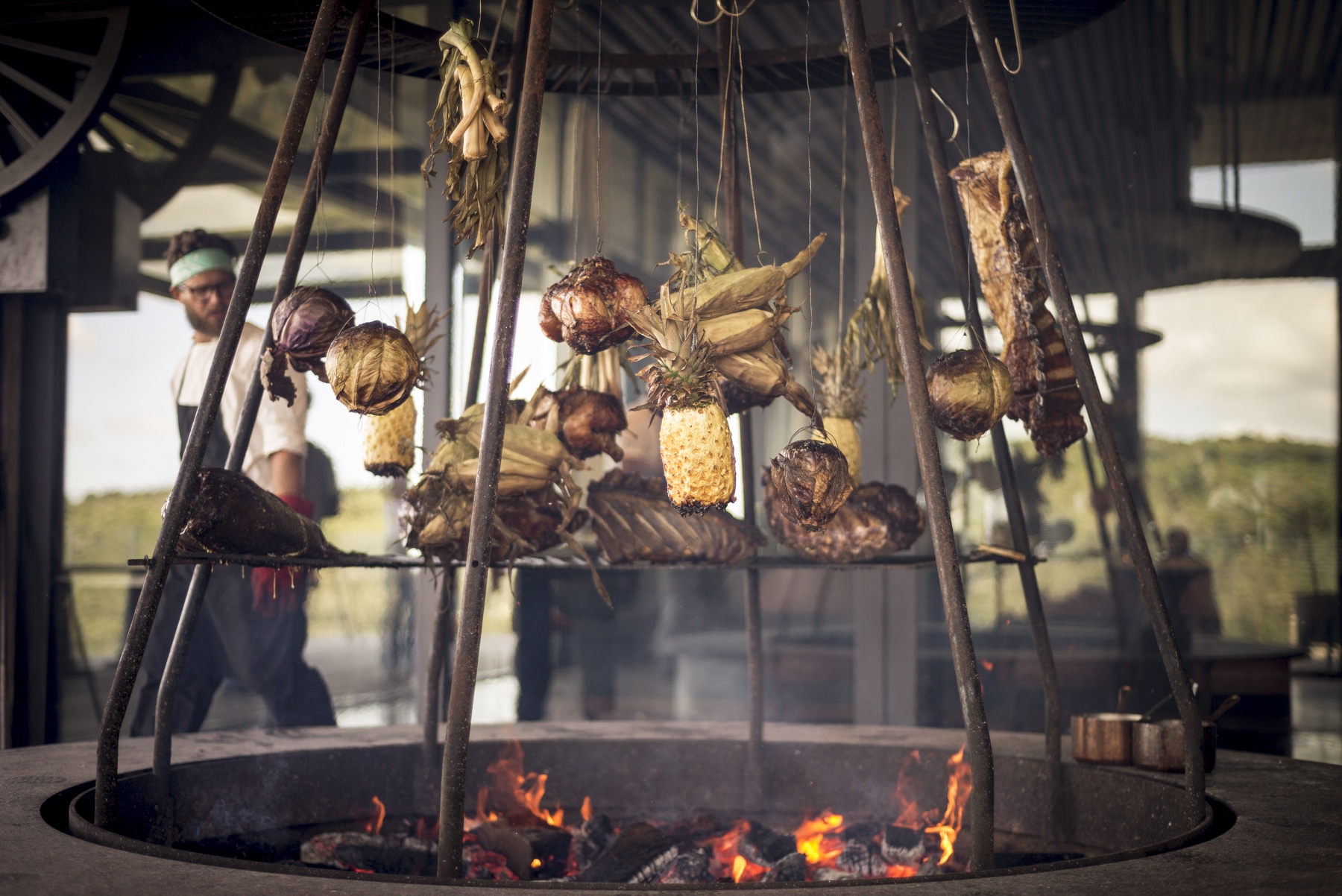
A revitalization occurred when Agroland, an agro-industrial enterprise, reopened job opportunities in 2004. Crucially, this was the year of the “Mallmann Catalyst.” The arrival of renowned Argentine chef Francis Mallmann, who opened a luxury restaurant and hotel in this charming town, immediately attracted food tourists from all corners of the globe and put the village on the map.
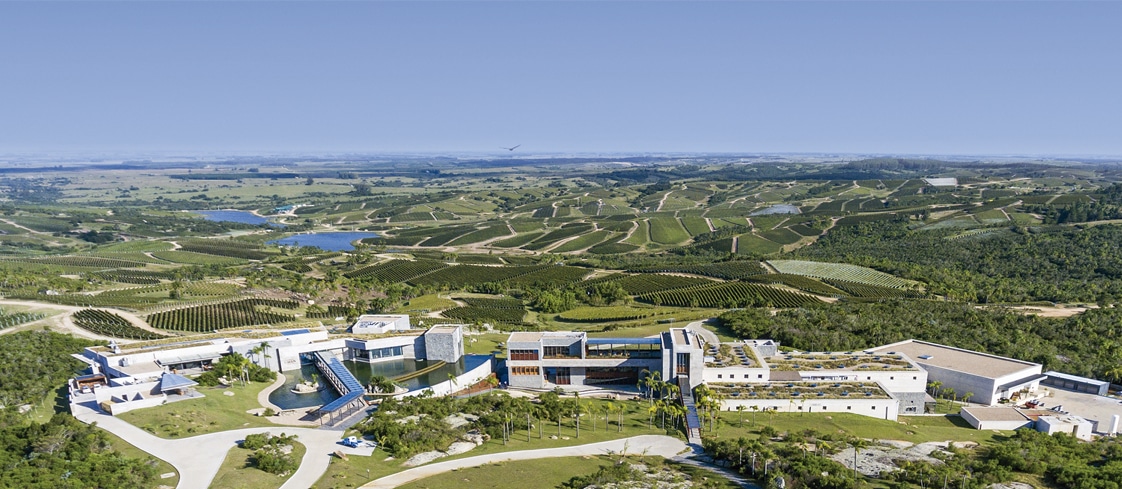
This was followed by the “Bodega Garzón Era” (2016-Present), driven by Alejandro Bulgheroni’s $85M+ investment into a state-of-the-art winery and the Tajamares Golf Club, which shifted the region from a quirky day-trip to a major luxury destination. Today, we are witnessing the “2026 Art Renaissance.” The ongoing construction of the 13-hectare CAMPO Art Campus (designed by the late Rafael Viñoly) has definitively solidified Garzón as South America’s premier rural art hub. The recent endorsement of Garzon by The New York Times as one of the top 52 destinations to experience in a lifetime further solidifies its allure.
The Landscape: Geography & Access
Photo credit: Infobae
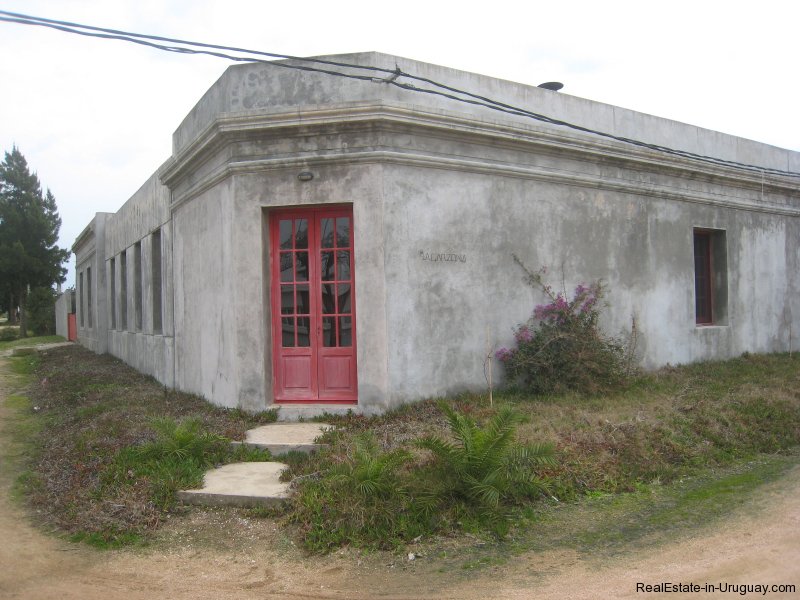
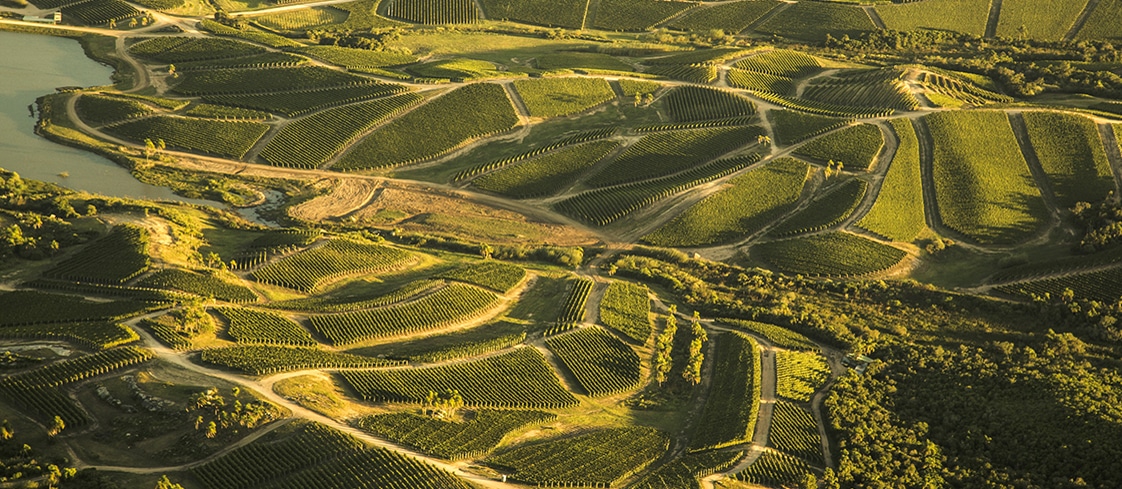
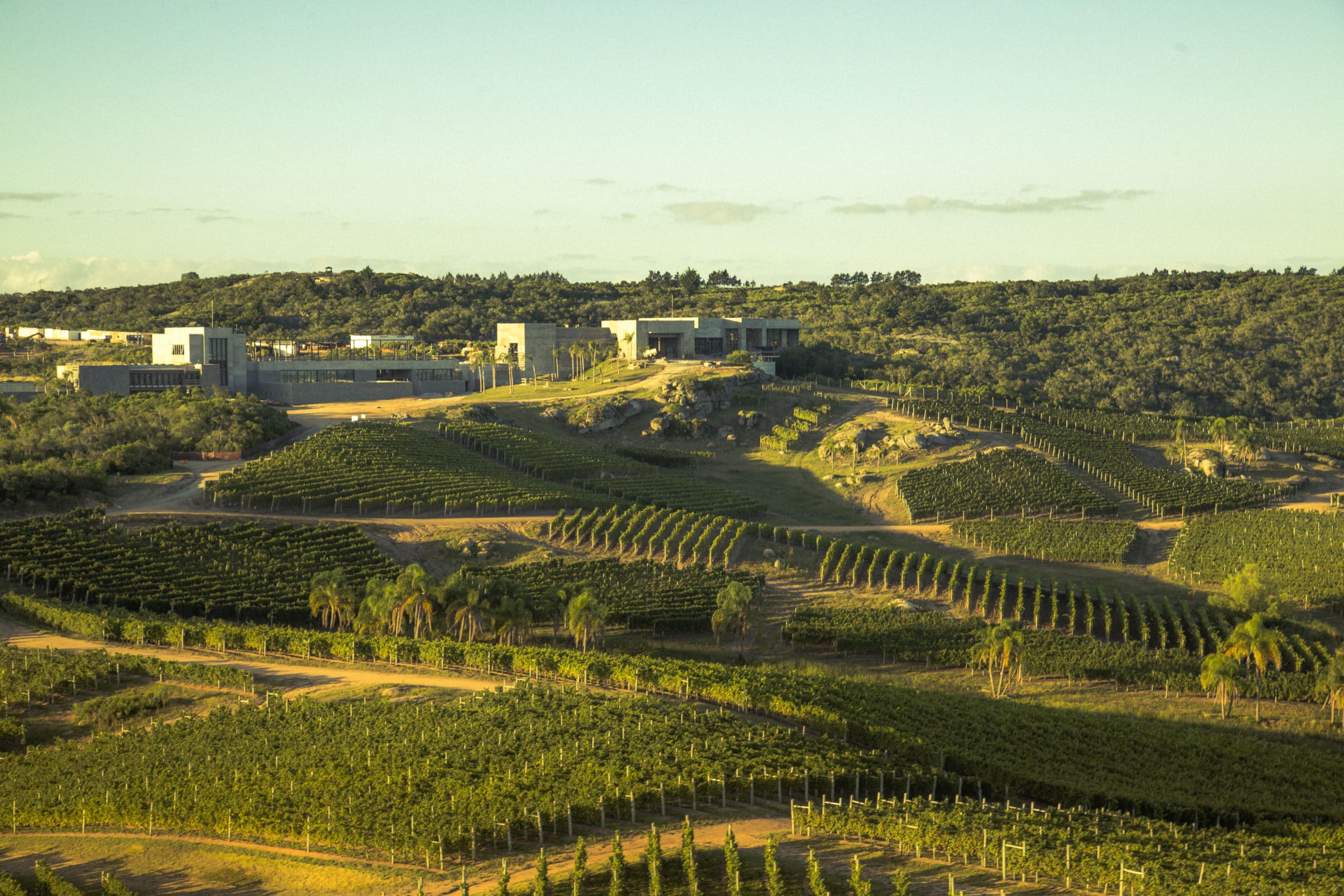
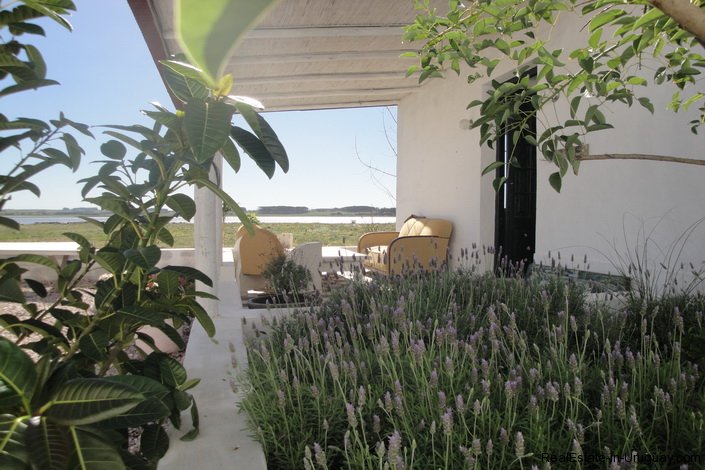
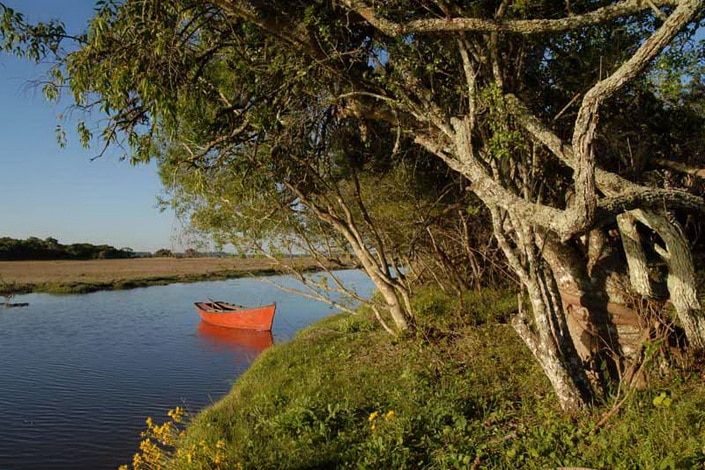
The geography of Garzón is divided into two distinct zones. The Village Grid forms the historic core, featuring restored 19th-century casitas, dirt roads, a central plaza, and a dense concentration of art galleries and boutique eateries. Surrounding this are The Sierras (The Hills), a rural expanse defining the area’s ultra-luxury real estate. This zone features undulating hills, ancient olive groves, and large-scale vineyard estates with expansive, uninterrupted horizon views.
To get to Pueblo Garzon from Punta del Este, follow Highway 9 until you reach kilometer 175.5. Take a left turn and continue for 1.5 miles. Then, at the junction, turn right and drive for another 5 miles until you see the entrance to the village on your right side.
The Lifestyle: Gastronomy & Dining in 2026
Francis Mallmann: Hotel & Restaurant Garzon
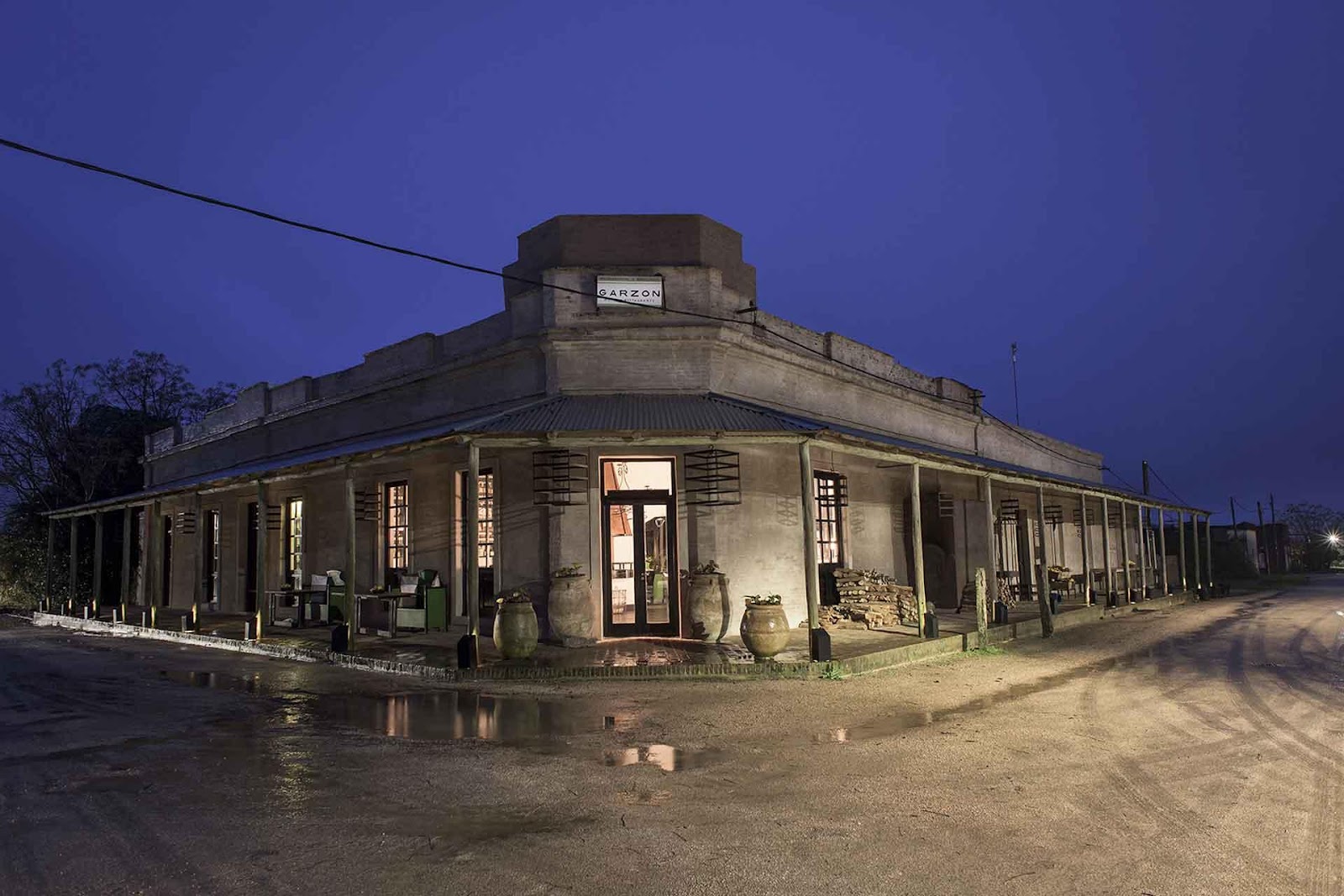
In 2004, renowned Argentine chef Francis Mallmann, along with Argentine winemaker Manuel Mas, transformed an old property into the Hotel & Restaurant Garzon. The establishment features five rooms, a park, a pool, and a restaurant. This venture breathed new life into the small town of 200 people, infusing it with a bohemian atmosphere. Mallmann’s establishment exudes rustic charm with a distinct and creative touch. The elegantly set tables accommodate a maximum of thirty guests, and staying in one of the cozy double rooms offers a comprehensive experience of authentic “Uruguay from within.”
Bodega Garzón & The Garzón Club
The newly established Garzon Club at Bodega Garzon has quickly become the premier members-only wine club in Uruguay. The Bodega Garzon Restaurant, located within the winery itself, offers a highly refined, white-tablecloth luxury option with panoramic views of the vineyards.
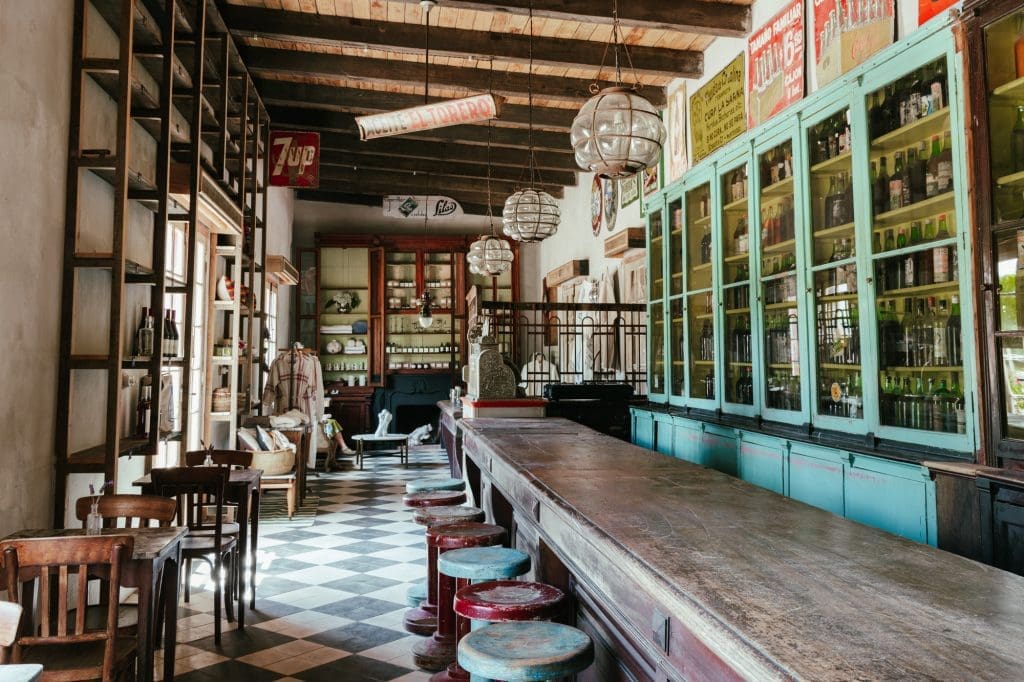
Vinos de Mar & La Pulpería
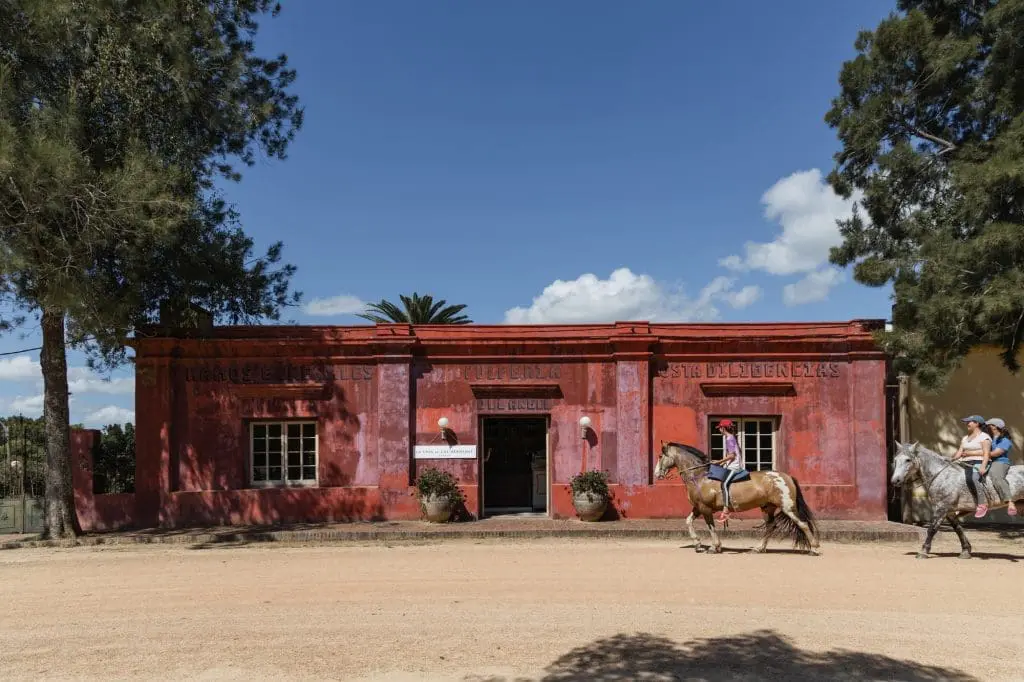
For a delightful experience of al fresco tapas, visitors head to the De Vinos De Mar winery in town. Just across the street is the iconic La Pulpería, which houses La Casa de Las Hermanas, a seasonal boutique offering handcrafted South American art, ceramics, and textiles. Stepping into La Pulpería transports you back in time with vintage bottles and turn-of-the-century Uruguayan advertising signs. It serves organic tapas sourced from local farms and hosts weekly events featuring music by DJs like Hombre Luna.
The Wine Ecosystem: Award-Winning Wineries
In the last ten years, local growers have shifted to cultivating exceptional red wines that rank among the best globally, primarily blending Malbec, Syrah, and Tannat. The modern, state-of-the-art buildings in Pueblo Garzon create an interesting juxtaposition with the peacefulness of the village.
Bodega Garzon
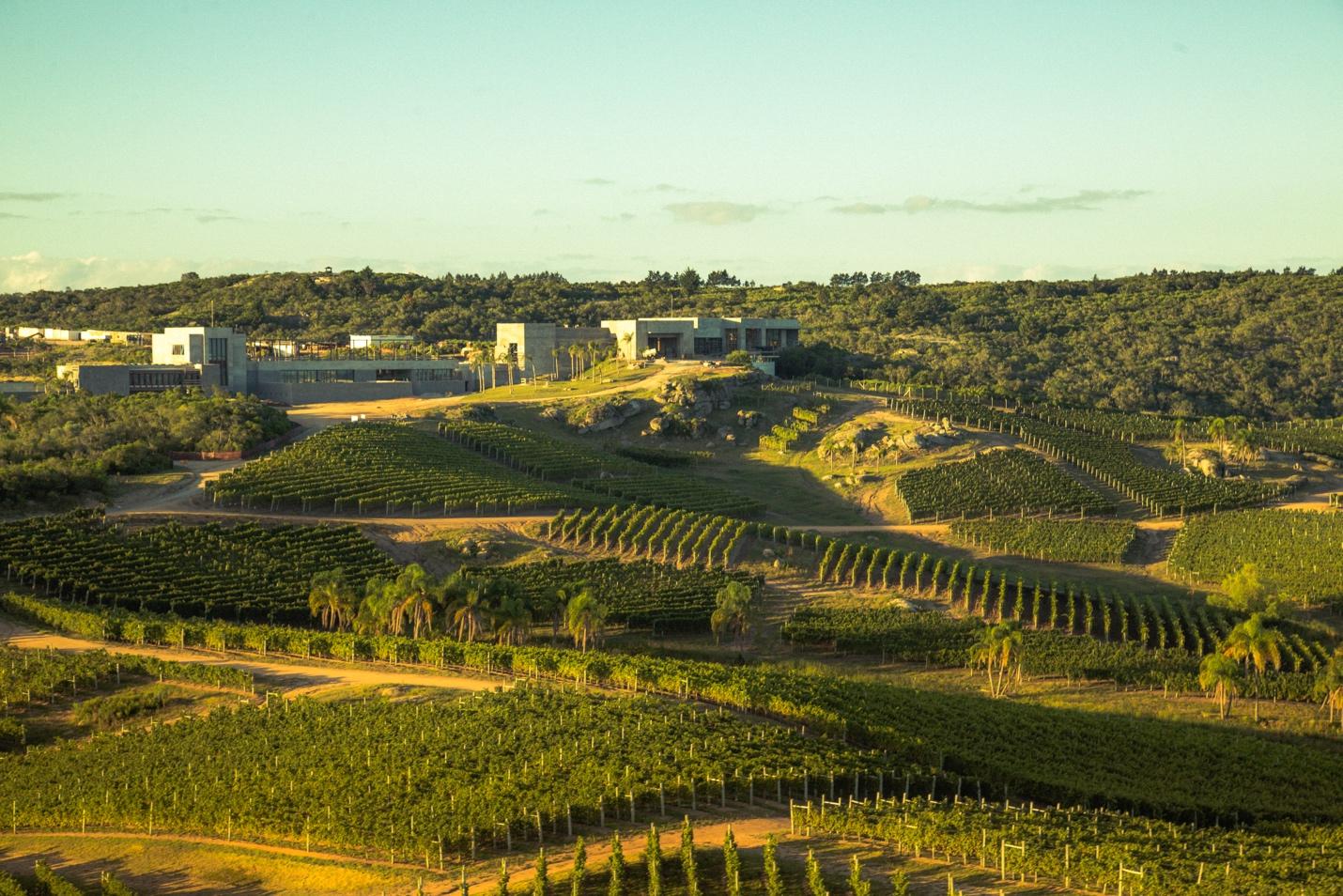
Owned by billionaire Alejandro Bulgheroni, Bodega Garzon gained recognition as the second-best winery in the world according to CNN in 2019. The winery offers an array of wines. Tannat and Albariño, their flagship wines, have garnered countless accolades. The facility adopts strict sustainable farming practices, epitomizing the essence of Uruguayan winemaking.
Bodega Sierra Oriental
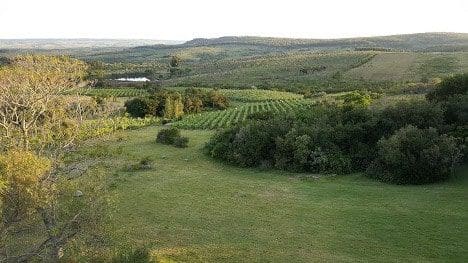
Located in the picturesque hills, Bodega Sierra Oriental is owned by Argentine financier Ruy Diz. Spanning a 1,200-hectare farm, it produces a limited 40,000 exclusive bottles annually. Tastings are by appointment only.
Vinos De Mar
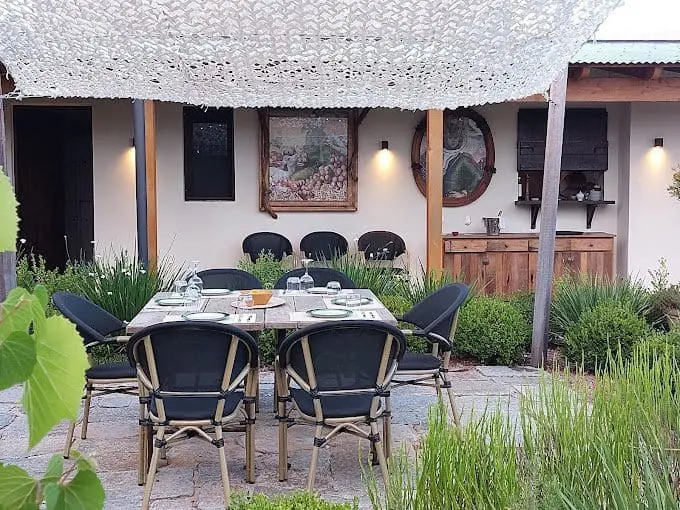
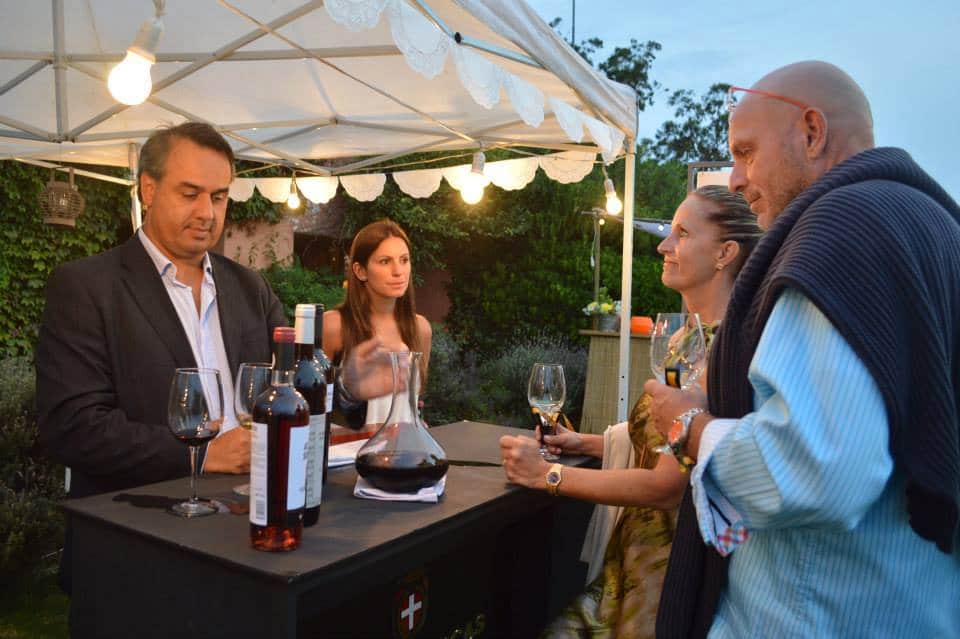
A collaboration between chef Juan Pablo Clerici, entrepreneur Leo McLean, Deicas Family Winery, and the Michelini brothers. Nestled in town, they produce 60,000 bottles of ‘transcendent wines’ and operate an al fresco Bar de Vinos during summer.
The Art Ecosystem: A Global Hub
Garzón has evolved into a sanctuary not only for gastronomy but for artistic endeavors. The village practically has more galleries than permanent residences. During the peak season, the social calendar climaxes in late December with the Campo Art-Fest, spearheaded by Heidi Lender, which draws over 40 global artists and international collectors.
Key Galleries
- Campo Canteen: A renovated ruin serving as the hub for the CAMPO non-profit creative institute. They are currently constructing a new 13-hectare main campus designed by Rafael Viñoly.
- La Galerilla: Located in a restored antique train wagon, showcasing emerging artists in collaboration with Aaron Hojman. (www.lagalerilla.com)
- Black Gallery: Run by Mercedes Sader and Paty Fernandez Graña, mixing minimalist abstraction with old Uruguayan masters. (www.blackgallery.net)
- Walden Gallery: Owned by Ricardo Ocampo, featuring modern design by Rodolfo Asconeguy, showcasing contemporary Latin American artists and a sculpture garden. (www.waldennaturae.com)
- Piero Atchugarry Gallery + Sculpture Park: An experimental space featuring site-specific installations set within a 159-hectare reserve boasting 15,500 native trees. (Sculpture Park | www.pieroatchugarry.com)
Curated Experiences: Golf & Masterclasses
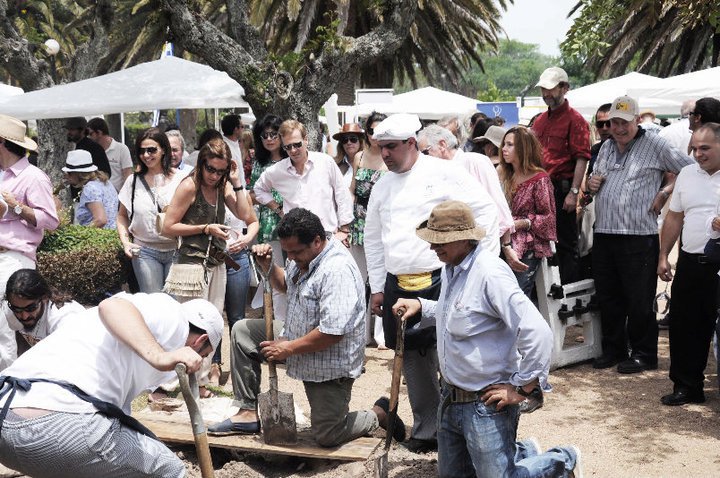
Beyond art and wine, experiences in Garzón are highly curated. The Garzon Tajamares Golf Club, meticulously designed by Ángel Cabrera, stands as Uruguay’s premier, private PGA golf course. Visitors can also arrange a “Masterclass in Fire,” an open-fire cooking experience hosted at local luxury chacras, or enjoy VIP sommelier sessions at the Garzón Club.
Strategic Real Estate Insights & Market Intelligence
Demand in 2026 is distinctly split between beautifully restored historical homes on the village grid and 5-to-10 hectare luxury “Chacras” in the surrounding hills. We are seeing a heavy concentration of North Americans and Northern Europeans seeking “climate and political safe-haven” lifestyle investments.
The Legal Layer (The 5-Hectare Rule): Investors must understand the stringent rural zoning laws. Outside the village grid, Uruguayan law strictly prohibits the subdivision of rural land into parcels smaller than 5 hectares (approx. 12 acres). Additionally, building footprints (FOS) on these plots are strictly limited. This creates an artificial supply cap. It legally ensures that Garzón will never become overdeveloped or densely populated, preserving the natural landscape and guaranteeing your investment’s exclusivity.
Within the village core, renovations are heavily monitored to preserve historical facades (no towering modern structures are allowed on the grid). Village properties have reached peak scarcity, while surrounding chacras are seeing steady appreciation.
Why Invest in Garzón Now?
Pueblo Garzón is the ultimate “scarcity play” fused with a “lifestyle dividend.” You are investing in a heavily protected ecosystem surrounded by billions of dollars of existing luxury infrastructure. The 2026 Insider Tip: Target raw 5-hectare parcels situated directly between the village and Bodega Garzón. As the CAMPO campus becomes fully operational, this specific corridor will command the highest premium for custom eco-estate builds.
If you are looking for more information or would like to discover the exclusive properties for sale in the charming region of Garzon, we invite you to contact us. At Team Haverkate, we represent the buyer exclusively, avoiding dual agency. Uruguay holds a multitude of wonders, from rich cultural heritage to a relaxed lifestyle.
Contact us and let us help you discover the unmatched opportunities in the 2026 real estate market.