KEY POINTS
- Uruguay signed a decree creating a nationwide cell broadcast alert system, operational by December 31, 2026.
- The system sends free, georeferenced alerts for climate emergencies and Amber Alerts for missing minors.
- Sinae manages hazard alerts, the Interior Ministry runs Amber Alerts, and Antel and Ursec oversee technical implementation.
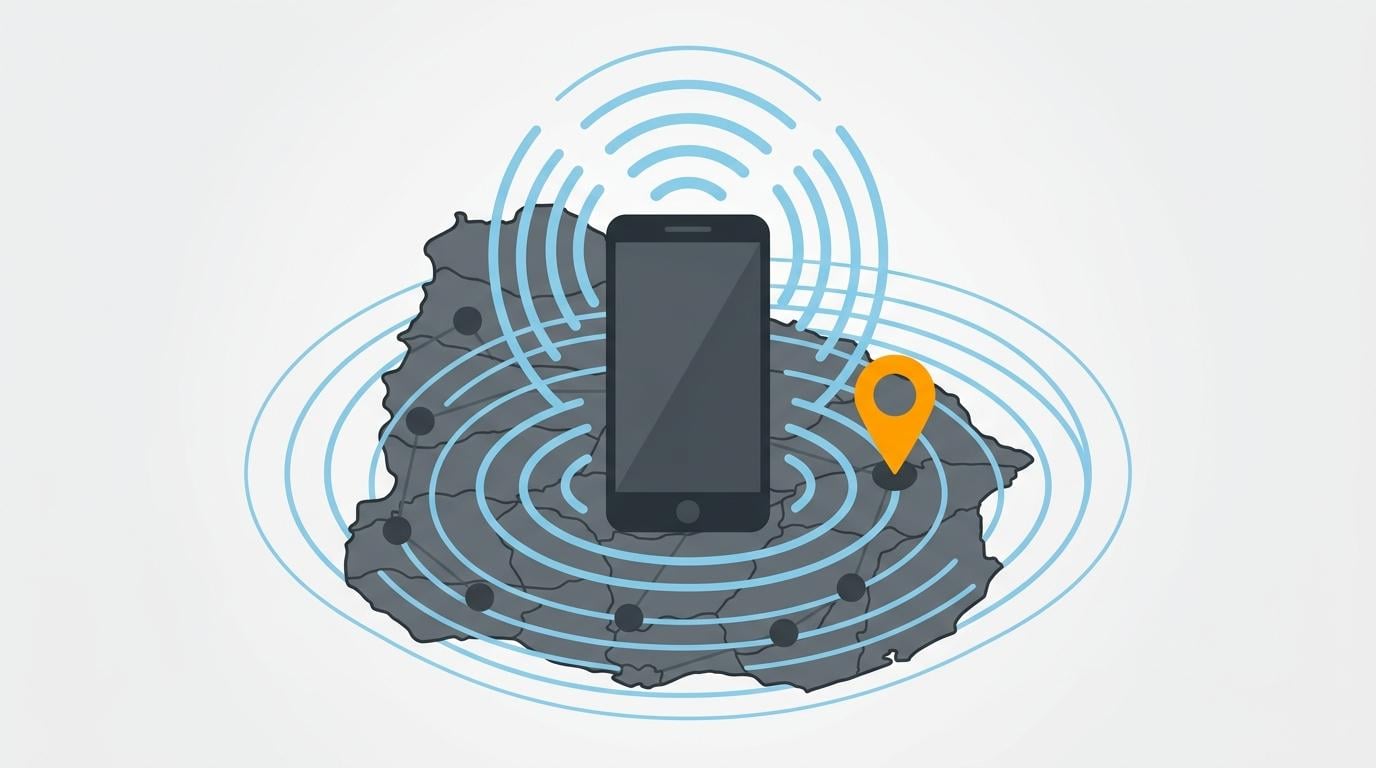
Uruguay has approved a nationwide mobile early-warning system that will deliver free, georeferenced emergency alerts directly to cell phones by December 31, 2026.
The Mobile Early Warning System (SAT Móvil) relies on Cell Broadcast Technology, which sends signals to local antennas instead of drawing from a subscriber database. This allows immediate, mass distribution of alerts across a defined area, with periodic retransmission and a cessation message once the emergency ends.
The measure was first reported by El País. Uruguay’s National Emergency System (Sinae) will handle climate and hazard alerts, while the Interior Ministry will manage Amber Alerts for missing minors.
Sinae’s mandate covers floods, river overflows, severe storms, tornadoes, hail, extratropical cyclones, large forest fires, chemical, radiological or biological emergencies, and attacks on critical infrastructure.
The decree cites the August declaration of an Institutional Alert for the El Niño phenomenon as a key driver behind the accelerated timeline. A pilot phase will run in at least one department before full national operation.
State telecommunications company Antel must guarantee the availability of the Cell Broadcast System, while regulator Ursec will oversee implementation.
Crisis Communications as a Quality-of-Life Asset
The rollout standardizes emergency information delivery across Uruguay, reducing uncertainty during climate events that can disrupt daily operations and property security. Peer-reviewed research on hazard communication for hard-to-reach populations identifies hybrid and redundant systems—such as cell broadcast paired with community channels—as best practice.
Global emergency and disaster response spending sits at roughly $151.01 billion in 2026, with cell broadcast adoption growing, reflecting a broader institutional shift toward proactive public safety infrastructure. For foreign residents and investors, this kind of systematic risk mitigation supports continuity and resilience in both urban and coastal markets.