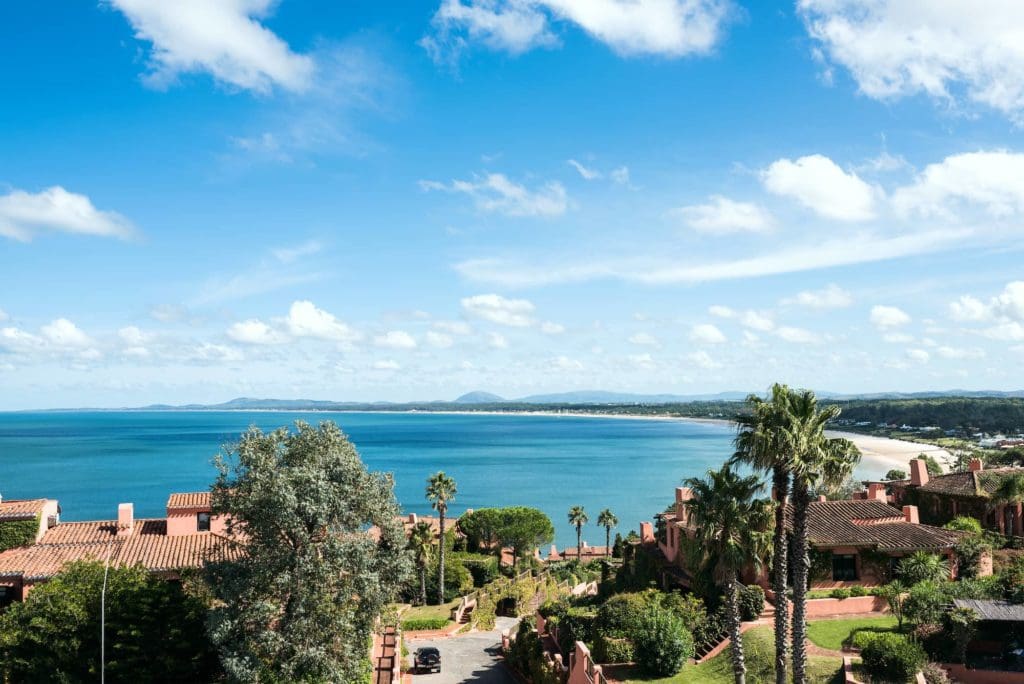
The real estate market in Uruguay offers a landscape full of opportunities for those interested in either investing or settling down. With its stable economy and welcoming policies towards foreign investment, Uruguay has been a beacon for real estate enthusiasts from around the globe. However, delving into any property market requires a keen understanding of the financial trends, legal framework, and investment prospects.
Understanding the country’s financial climate is critical, and in this comprehensive guide, we will navigate through the intricacies of the Uruguayan real estate market. This is for anyone looking to acquire property, invest in development projects, or simply understand the dynamics at play in this beautiful South American nation.
Welche wirtschaftlichen Faktoren beeinflussen den Immobilienmarkt in Uruguay?
Uruguay stands out in Latin America for its political stability, high levels of social development, and robust financial systems. The country’s commitment to financial inclusion and a sound banking environment has underpinned its real estate market’s steady growth. The Uruguayan peso has remained relatively stable, and inflation is kept under control, making long-term planning more feasible for investors and property buyers.
Die Politik der offenen Tür der Regierung für ausländische Investoren bedeutet, dass es keine Beschränkungen für den Besitz von Immobilien gibt, was diesen Markt attraktiv macht. Darüber hinaus ist Uruguay aufgrund seiner strategischen Lage mit Zugang zu den wichtigsten Schifffahrtsrouten ein attraktives Land für die Entwicklung von Gewerbeimmobilien.
Wie hat sich der uruguayische Immobilienmarkt entwickelt?
Over the past decade, the Uruguayan real estate market has seen an uptick in activity. Montevideo, the capital, remains the hotspot for both commercial and residential properties due to its economic and cultural significance. Punta del Este, known for its beaches and tourism, also sees considerable investment in vacation properties and rentals.
There has been a notable shift towards high-end developments, with an increasing number of luxury condominiums and gated communities cropping up, particularly in coastal areas. These developments come with amenities such as swimming pools, fitness centers, and 24-hour security, catering to the higher end of the market.
Gleichzeitig gibt es einen zunehmenden Trend zu nachhaltigen und energieeffizienten Häusern, wobei sich viele neue Projekte auf Zertifizierungen für grünes Bauen konzentrieren. Dieser Wandel spiegelt nicht nur globale Umweltbelange wider, sondern auch das Engagement des Landes für eine fortschrittliche Energiepolitik.
Was sind die aktuellen Trends im Wohnungssektor?
Der Wohnungsbausektor in Uruguay verzeichnete einen beträchtlichen Anstieg der Nachfrage, insbesondere von argentinischen und brasilianischen Investoren. Mit der Zunahme der Fernarbeit suchen viele nach Immobilien in Uruguay für Langzeitaufenthalte oder als Zweitwohnsitz, was den Markt weiter ankurbelt.
Außerdem wächst das Interesse an Gebieten außerhalb der traditionellen Hotspots, da die Käufer mehr Platz und Ruhe suchen. Ländliche Immobilien und solche in kleineren Strandstädten erfreuen sich großer Beliebtheit, da sie oft ein besseres Preis-Leistungs-Verhältnis bieten und Investoren die Möglichkeit geben, von den aufstrebenden Märkten zu profitieren.
Lohnt es sich, in Uruguay in gewerbliche Immobilien zu investieren?
Gewerbeimmobilien in Uruguay bieten ein vielschichtiges Bild. Montevideos Status als Geschäfts- und Logistikzentrum treibt die Nachfrage nach Büroflächen und Lagerhäusern an. Der Boom des elektronischen Handels und der Bedarf an effizienten Logistiknetzen haben auch die Nachfrage nach strategisch gelegenen Logistikimmobilien steigen lassen.
Die Einzelhandelsimmobilien sahen sich jedoch aufgrund der Pandemie und des darauf folgenden Anstiegs des Online-Shoppings mit Herausforderungen konfrontiert. Dieser Wandel bedeutet, dass Investoren anspruchsvoller sein müssen und Faktoren wie Lage, Erreichbarkeit und Anpassungsfähigkeit der Flächen an die Anforderungen des modernen Einzelhandels berücksichtigen müssen.
Welche rechtlichen Aspekte sollten Sie beachten?
Navigating the legal landscape is crucial when it comes to investing in overseas real estate. Thankfully, in Uruguay, the process is quite straightforward. The rule of law is strong, and property rights are well-protected. All transactions are handled through a public notary, providing transparency and security to the process.
Für ausländische Investoren ist es wichtig, sich der steuerlichen Auswirkungen bewusst zu sein, z. B. der Grundsteuer und möglicher Einkommensteuern auf Mieteinnahmen. Es gibt zwar keine Beschränkungen für ausländisches Eigentum, aber es gibt einige Vorschriften für den Erwerb von Grundstücken durch ausländische Unternehmen, insbesondere in ländlichen Gebieten.
Gibt es Finanzierungsmöglichkeiten für ausländische Käufer?
Für diejenigen, die nicht mit Bargeld kaufen wollen, bietet der uruguayische Finanzmarkt Finanzierungsmöglichkeiten für Immobilienkäufer, auch für ausländische Staatsangehörige. Mehrere Banken in Uruguay bieten Hypothekendarlehen an, wobei sich die Bedingungen von denen in Nordamerika oder Europa unterscheiden können, so dass es ratsam ist, die Optionen zu vergleichen.
Die Zinssätze für Hypotheken in Uruguay sind im Allgemeinen höher als in den entwickelteren Ländern, aber sie sind innerhalb der Region wettbewerbsfähig. Auch die Anzahlungen sind höher, und im Rahmen des Prüfungsverfahrens wird ein Einkommensnachweis verlangt.
Wie sieht der Mietmarkt in Uruguay aus?
Uruguay’s rental market is robust, partly due to tourism and the country’s appeal as a retirement destination. Coastal cities see a high demand for short-term rentals, particularly during the summer season from December to February. In contrast, Montevideo offers more stable, year-round rental opportunities thanks to its sizeable expatriate and student populations.
Investoren können bei Mietobjekten mit einer jährlichen Rendite von ca. 4-6 % rechnen, die je nach Lage und Eigenschaften des Objekts variiert. Mit einem gut geregelten System sind die Rechte von Vermietern und Mietern geschützt, so dass faire und formelle Mietverträge gewährleistet sind.
Frequently Asked Questions
Yes, foreigners enjoy the same rights as Uruguayan citizens when it comes to property ownership, and there are no restrictions or additional taxes imposed on non-residents.
Consider factors like location, property type, potential for appreciation, rental yield, legal and tax implications, and your overall investment strategy.
The process typically involves selecting a property, signing a reservation agreement, carrying out due diligence, signing a preliminary agreement (boleto de reserva), and finally signing the deed (escritura) in front of a notary.
Buyers should consider costs such as property transfer tax, notary fees, and real estate agent commissions. On average, these costs can amount to around 7 – 8 % of the property’s purchase price.
Uruguay has a favorable tax system for real estate owners. There’s no inheritance tax and property taxes are relatively low. However, rental income is subject to income tax, so it’s important to factor this into investment calculations.
Foreign investors are subject to the same tax laws as residents. This includes property tax (Contribución Inmobiliaria) and potentially income tax on rental earnings. It’s advisable to consult with Team Haverkate for detailed advice.
No, non-residents can purchase property just like residents, making it an attractive market for international investors.
The best time to buy property in Uruguay is subjective and depends on personal circumstances and market trends. However, it’s often wise to look for opportunities during the off-peak seasons, when there’s less competition and possibly more willingness to negotiate on the part of sellers.
While it is not mandatory to have a local bank account to purchase property, it can facilitate transactions and the payment of local taxes and utility bills.
Real estate purchases in Uruguay are usually made with cash. However, mortgages are available from local banks, but terms and availability may vary for foreigners.
Yes, there are professional real estate agents and brokers who can assist buyers and sellers with transactions. It is recommended to work with a reputable estate agent such as Team Haverkate for advice.
The government offers various incentives for investment in specific areas or projects, such as tax exemptions and residency options for significant investors. Policies can change, so it’s best to consult current regulations.
Owning property in Uruguay may contribute to fulfilling the financial self-sufficiency requirement for residency applications, but it’s not an automatic route to residency. Consult with immigration experts for up-to-date information.
Property disputes are subject to Uruguayan law and are handled in the judicial system. It is essential to have clear title and proper legal representation to avoid or manage disputes.
Zum Schluss noch eine Anmerkung
Der Immobilienmarkt in Uruguay bietet nach wie vor ein enormes Potenzial für diejenigen, die in einem der stabilsten und einladendsten Länder Südamerikas investieren oder sich ein Haus sichern möchten. Mit seinem transparenten Rechtssystem und seiner Politik der offenen Tür für ausländische Investitionen kann der Einstieg in diesen Markt ein vielversprechendes Unterfangen sein.
Ob der Charme der Strände, das pulsierende Leben in Montevideo oder die aufstrebenden ländlichen und vorstädtischen Gebiete, Investoren und Hauskäufer können ihre Nische in Uruguays Immobilienlandschaft finden. Wenn man sich über die wirtschaftlichen Faktoren, rechtlichen Überlegungen und finanziellen Möglichkeiten informiert, kann man sich auf diesem Markt sicher bewegen.
Denken Sie daran: Die beste Anlagestrategie ist eine, die gut recherchiert und auf Ihre individuellen Ziele zugeschnitten ist. Da sich der Markt weiterentwickelt, ist es wichtig, mit den neuesten Trends und Daten Schritt zu halten, um fundierte Entscheidungen treffen zu können. Für diejenigen, die es tun, kann die Belohnung so reichhaltig sein wie die uruguayische Landschaft selbst.
Contact Team Haverkate for reliable advice on buying real estate in Uruguay.